What the Next Generation of Finishing Technicians Needs to Know
August 21, 2026
Learn what finishing technicians need to know about spray booths, coating chemistry, environmental controls, and compliance in modern industrial finishing operations.
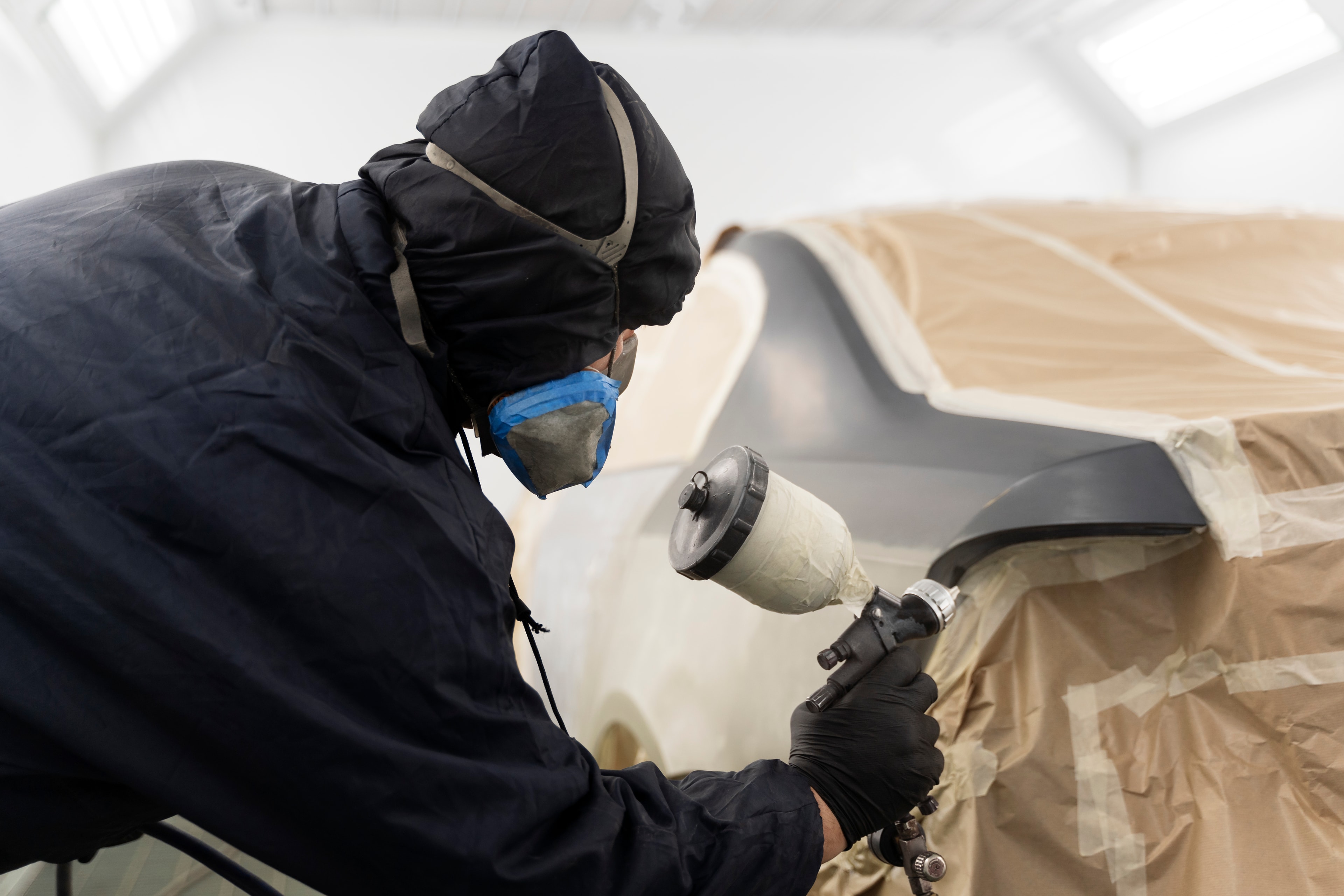
The finishing trades are facing a generational transition. Experienced coaters, spray technicians, and booth operators are retiring faster than shops can replace them, and the knowledge they carry — built over decades of hands-on work — does not transfer automatically to new hires. Facilities that fail to address this gap will see it manifest in defect rates, rework costs, and equipment misuse before they recognize the root cause.
This post outlines the foundational technical knowledge that incoming finishing technicians need to develop, covering equipment operation, coating chemistry, environmental controls, safety compliance, and the diagnostic skills that separate capable technicians from ones who simply follow instructions.
Understanding the Spray Booth as a System, Not Just a Room
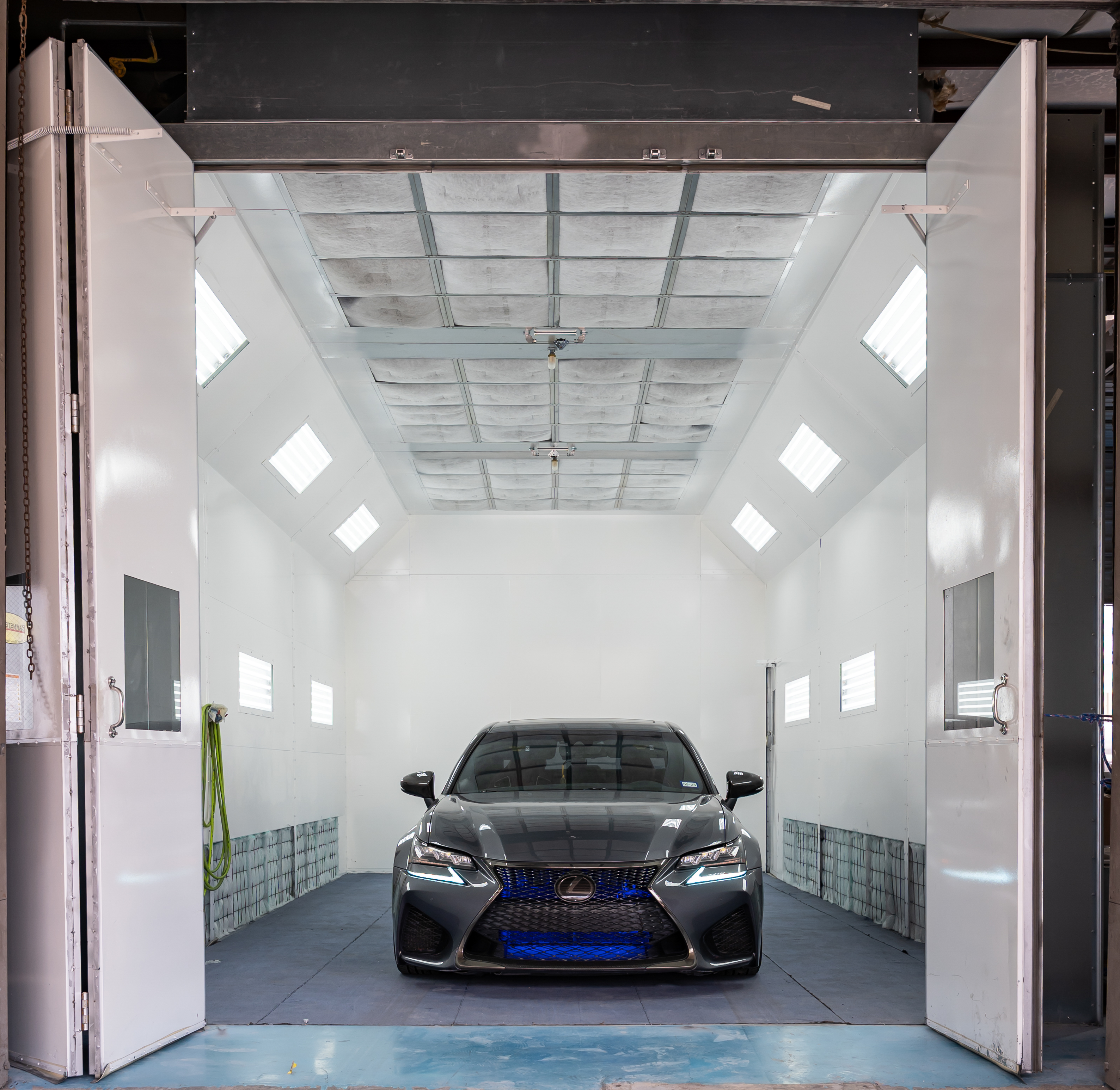
A spray booth is an engineered air management system. Every component — fan, filter, plenum, exhaust stack, and makeup air unit — is sized and positioned to work together as a single pressure-controlled environment. Treating any one component as isolated leads to poor outcomes.
- Airflow velocity: Cross-draft and downdraft booths require specific face velocity ranges, typically 100 feet per minute for most automotive and industrial applications, to carry overspray away from the part without disturbing wet film.
- Static pressure relationships: Booths are designed to maintain a slightly negative or neutral pressure relative to the surrounding facility to prevent overspray migration into uncontrolled areas.
- Filter loading: As intake and exhaust filters load with particulate, system airflow drops. Technicians must understand how to read differential pressure gauges and establish a regular filter change schedule.
- Plenum design: Downdraft booths direct air through a floor grating into a lower exhaust plenum. Technicians who block grating sections with drop cloths or equipment disrupt airflow patterns and compromise finish quality.
- Makeup air heating: In cold climates or during winter operations, makeup air units must deliver conditioned air at the correct temperature and humidity for the coating system in use.
Coating Chemistry Fundamentals Every Technician Should Understand
Coating performance is determined long before a gun is triggered. The chemistry of the product being applied dictates surface preparation requirements, application parameters, pot life, cure schedule, and compatibility with adjacent coatings.
- Solvent-borne vs. waterborne: Waterborne coatings require lower solvent concentration in the air but are more sensitive to temperature and humidity. They also dry differently on the substrate and require stainless or non-reactive equipment in contact areas.
- Pot life and induction time: Two-component systems (2K epoxies, urethanes, polyaspartics) have a defined working window once mixed. Applying material past pot life produces poor adhesion and film integrity.
- Film thickness: Both insufficient and excessive dry film thickness cause failures. Insufficient build leads to porosity and corrosion exposure. Over-application traps solvents, causes solvent pop, or leads to sagging.
- Reducer selection: Using the wrong reducer speed for ambient temperature is one of the most common causes of orange peel, dry spray, and poor flow-out in spray applications.
- Surface preparation standards: Most industrial coatings reference SSPC or NACE surface preparation standards. Technicians should understand what Sa 2.5 or SP6 means and how abrasive blast profile affects adhesion.
Spray Gun Setup and Application Technique
Spray equipment setup is where much of the variability in a finishing operation originates. Even a correctly formulated coating will produce inconsistent results if the application equipment is not calibrated for the material and the part geometry.
- Fluid tip and needle sizing: Heavier materials require larger fluid tip orifices. Using an undersized tip with high-viscosity material results in poor atomization and texture defects.
- Atomizing air pressure: Higher atomizing pressure produces finer droplets but increases overspray and bounce-back. Lower pressure may not fully break apart the fluid stream, leaving unatomized material on the surface.
- Gun distance and speed: Most HVLP and conventional guns are designed to be held 6 to 10 inches from the surface, moved at a consistent speed of 12 to 18 inches per second. Deviations from this range produce holidays, runs, or dry film.
- Overlap pattern: Standard spray technique calls for 50 percent overlap between passes to achieve uniform film build without heavy edges.
- Gun cleaning: Inadequate cleaning is the leading cause of premature gun failure and cross-contamination between coating types.
Environmental Controls and Their Effect on Coating Quality
Temperature, humidity, and substrate surface temperature are variables that technicians must monitor and record, not estimate. Coatings are tested by manufacturers under controlled conditions, and deviations from those conditions shift performance outcomes.
- Dew point calculation: Applying coatings when the substrate temperature is within 5 degrees Fahrenheit of the dew point causes condensation beneath the film and leads to adhesion failure or blistering.
- Humidity effects on cure: High relative humidity accelerates cure in moisture-cure urethanes but can cause blushing in lacquers and incompatibility issues in certain epoxy systems.
- Ambient temperature range: Most industrial coatings specify a minimum and maximum application temperature, typically 50 to 90 degrees Fahrenheit, outside of which the film cannot form properly.
- Cure oven calibration: For powder coating and baked liquid systems, oven temperature uniformity matters as much as the set point. A poorly calibrated oven with a 30-degree gradient will produce inconsistent cross-linking across the part.
Regulatory Knowledge and Safety Compliance
Finishing operations are subject to federal OSHA regulations, EPA air quality requirements, and NFPA 33 standards for spray application of flammable and combustible materials. Technicians who understand why these rules exist apply them more consistently than those who see them only as procedural requirements.
- NFPA 33 requirements: Spray areas must be classified as hazardous locations, and all electrical equipment within defined distances must be rated for those classifications.
- Respiratory protection: Air-purifying respirators are not appropriate for all coating systems. Isocyanate-containing coatings (2K urethanes) require supplied-air respirators under OSHA standards.
- VOC limits: Many states and air quality management districts set VOC content limits by coating category. Technicians should understand how to read a product data sheet for VOC content by weight and volume.
- Waste disposal: Spent solvents, coating waste, and contaminated PPE may be classified as hazardous waste and require manifested disposal through a licensed carrier.
Building Diagnostic Skills Over Time
Technical knowledge without diagnostic ability produces technicians who can follow a procedure but cannot troubleshoot when a process deviates. Developing diagnostic skills requires exposure to failure modes, structured analysis, and the habit of tracing defects back to their root cause rather than their visible symptom.
- Document everything: Batch records, environmental logs, and film thickness measurements create a traceable record that makes root cause analysis possible when defects occur.
- Isolate variables: When a finish problem appears, changing multiple parameters simultaneously makes it impossible to identify which change resolved the issue.
- Defect reference library: Maintaining a visual reference of common finish defects — orange peel, fish eye, crater, dry spray, sagging, solvent pop — with documented root causes accelerates future diagnosis.
- Equipment baseline data: Technicians should know the normal operating parameters of their specific equipment so they can recognize when readings fall outside established ranges.
Summary
The next generation of finishing technicians must develop competency across equipment, chemistry, environmental controls, and regulatory compliance simultaneously. Finishing is not a single skill — it is a system of interdependent variables, and understanding how those variables interact is what separates a technician who produces consistent results from one who cannot explain why results change.
Why Choose California Pulse for Finishing Equipment and Technician Support
At California Pulse, we manufacture spray booths, curing ovens, prep stations, and complete finishing line systems designed for the operational realities that technicians work in every day. Our equipment is engineered with straightforward airflow systems, accessible filter housings, and controls that support correct operation rather than obscure it — because equipment that is easy to operate correctly reduces training time and defect rates.
We also understand that equipment alone does not build a capable workforce. When facilities purchase finishing systems from California Pulse, we provide post-sale technical support that helps teams understand how their specific equipment is configured and how to operate it within the process parameters their coatings require. Whether outfitting a new facility or standardizing a production finishing line, we work with operations teams to ensure the equipment supports the people running it.