Insights
Blog & Customer Stories
Practical guidance on booths, ovens, airflow, and compliance, written by the people who build the equipment.
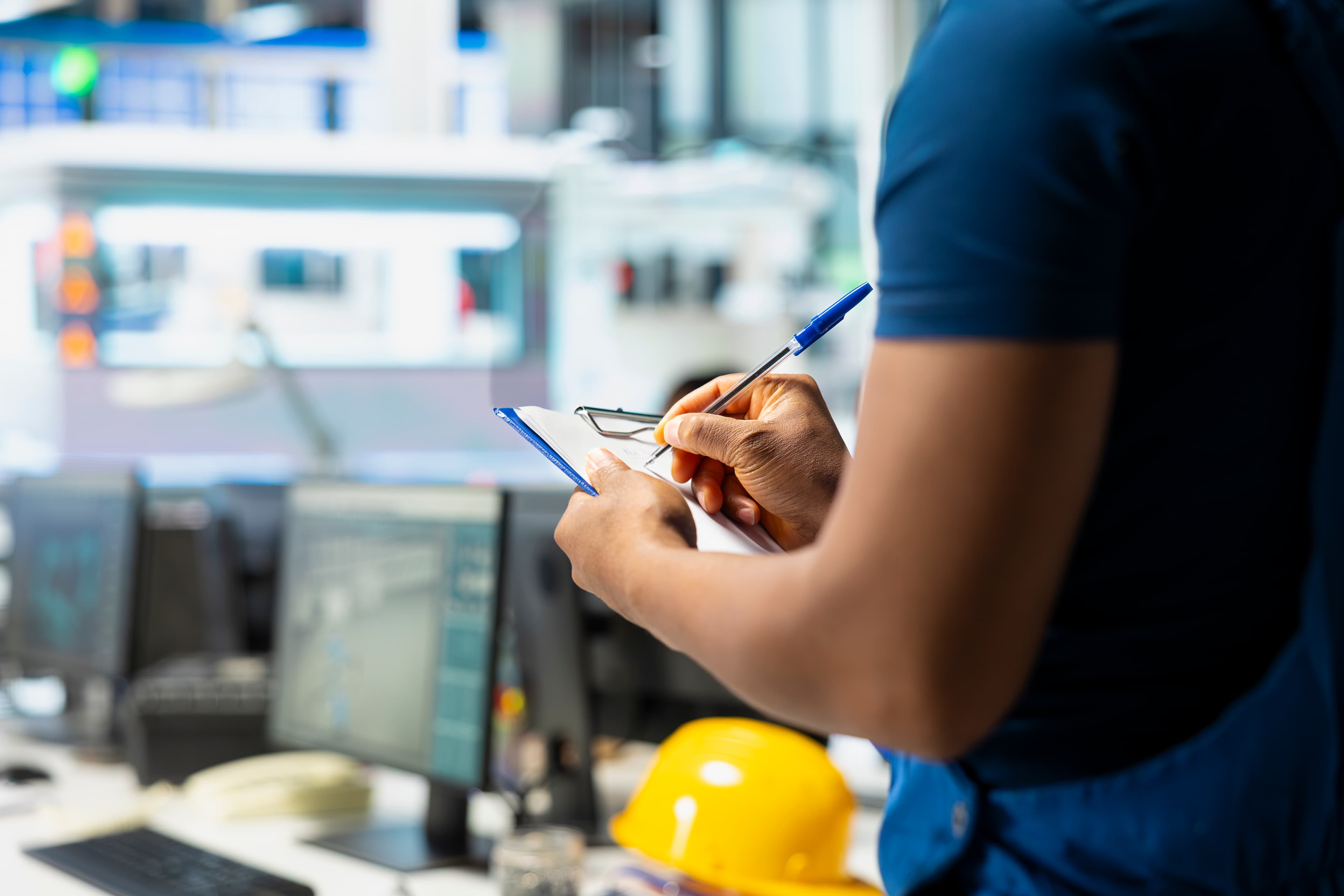
How Finishing Equipment Downtime Affects Your Bottom Line
Finishing equipment downtime costs more than repair invoices. Learn how spray booth and oven failures affect labor, scheduling, and revenue — and how to reduce risk.
Read article →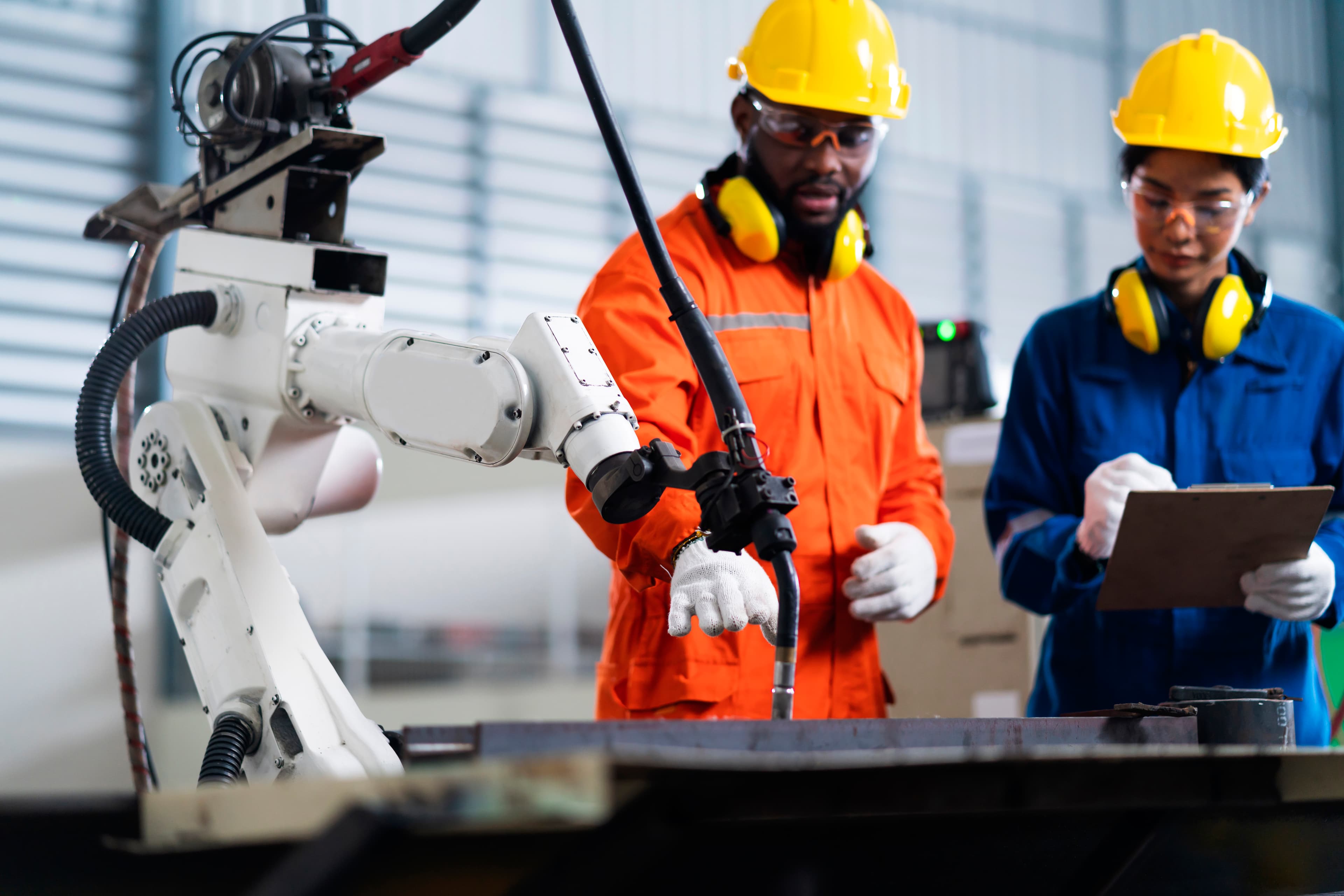
Robotic Finishing Systems: When Automation Makes Sense
Learn when robotic finishing systems make economic and operational sense — covering volume thresholds, part geometry, coating compatibility, and infrastructure needs.
How to Evaluate Finishing Equipment Vendors Before You Buy
Learn how to evaluate finishing equipment vendors using engineering credentials, compliance standards, support capability, and total cost of ownership criteria.
What the Next Generation of Finishing Technicians Needs to Know
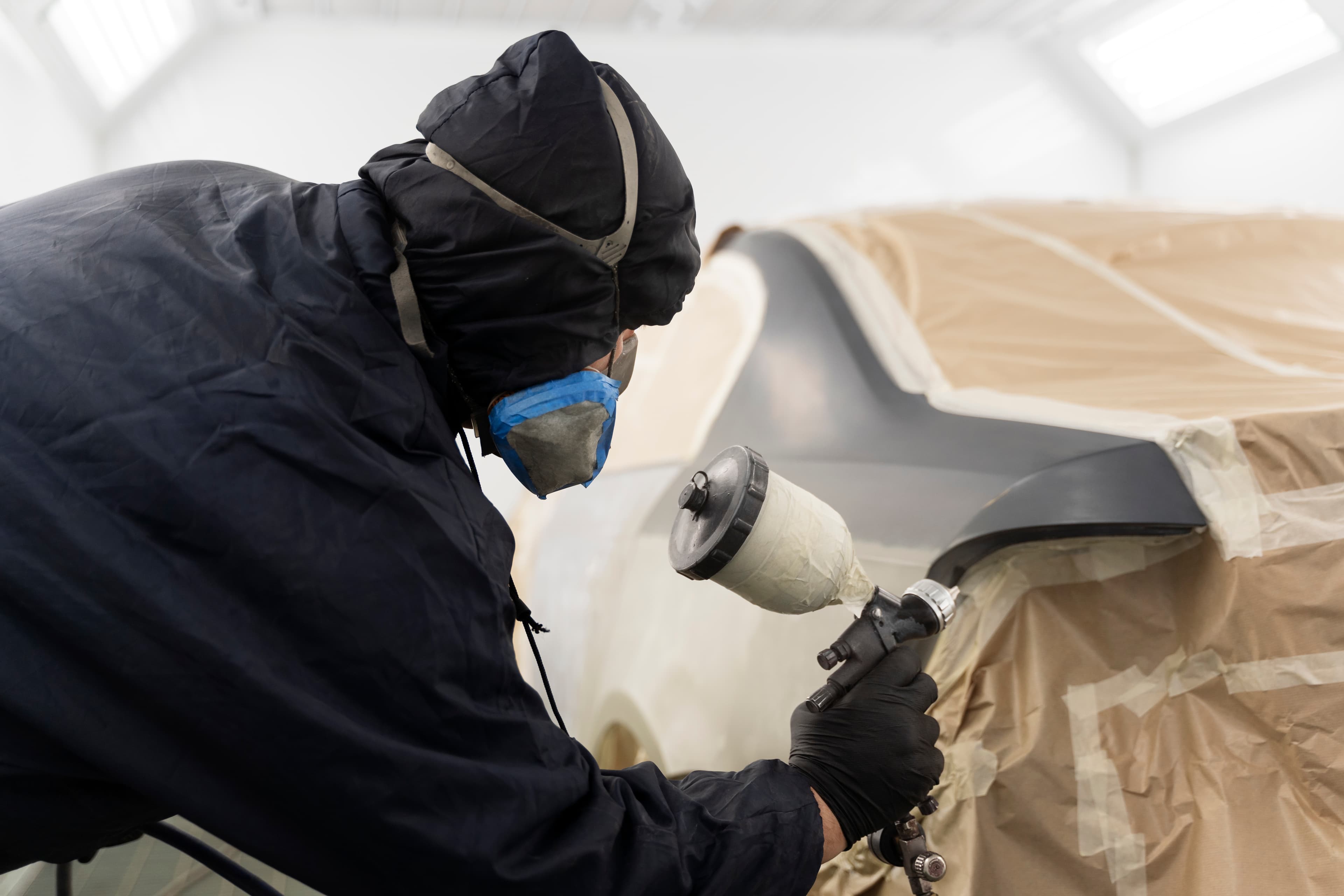
Learn what finishing technicians need to know about spray booths, coating chemistry, environmental controls, and compliance in modern industrial finishing operations.

Paint Kitchen and Mix Room Design for High-Volume Shops
Learn how to design paint kitchens and mix rooms for high-volume finishing shops — covering layout, ventilation, storage, and explosion-proof compliance.

How to Build a Business Case for New Finishing Equipment
Learn how to build a business case for new finishing equipment with cost analysis, ROI calculations, compliance factors, and presentation strategies.
How to Scale Your Finishing Operation Without Moving Facilities
Learn how to scale your finishing operation without moving facilities using spray booth upgrades, cure ovens, prep stations, and conveyor systems.

How to Document and Track Finishing Equipment Performance Over Time
Finishing equipment operates under continuous thermal, chemical, and mechanical stress. Over time, components degrade, airflow patterns shift, cure cycles drift, and energy consumption climbs — often without triggering an obvious failure that prompts immediate action. By the time
Optimizing Your Industrial Mixing Room Design for Efficient Mixing Room Layouts
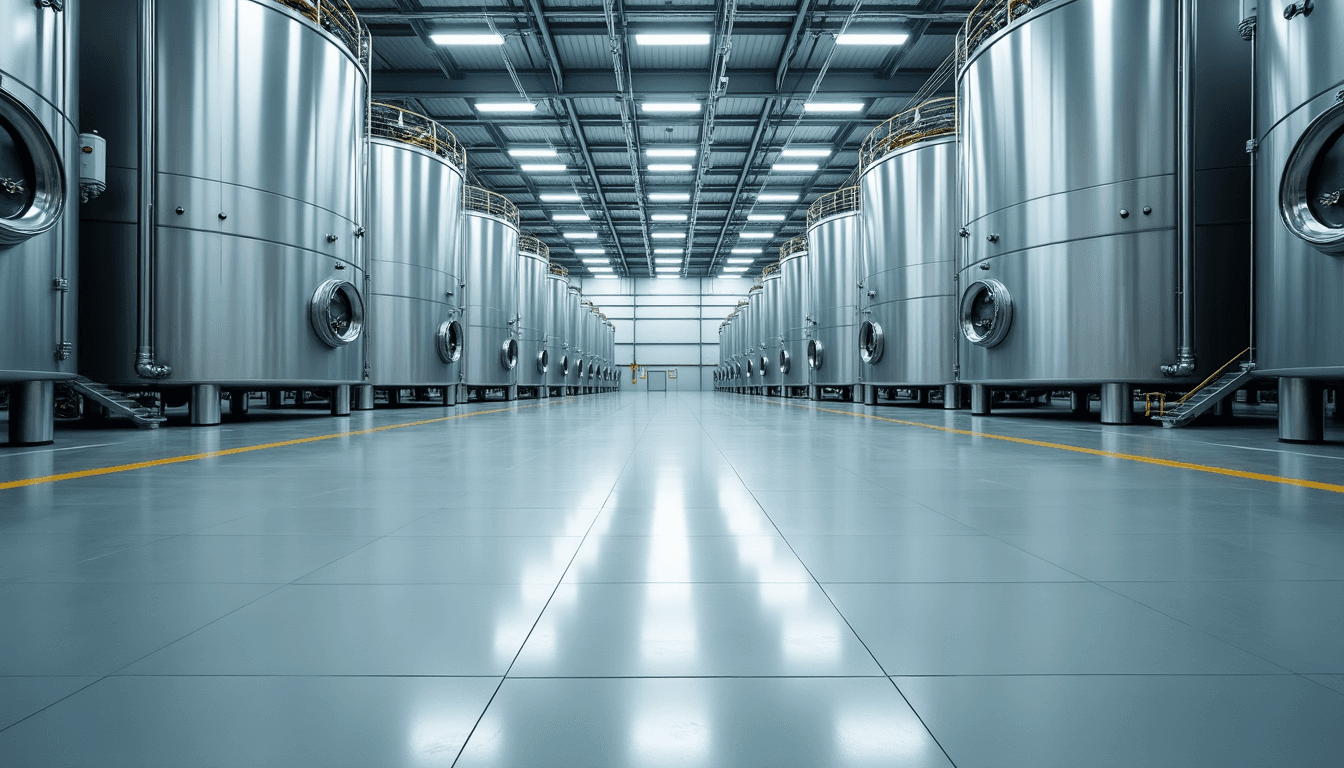
Designing an industrial mixing room requires precision and strategic planning. The goal is to create a space that maximizes productivity, safety, and compliance with industry standards. Efficient mixing room layouts reduce downtime, improve workflow, and ensure consistent product
How Supply Chain Disruptions Are Affecting Finishing Equipment Lead Times
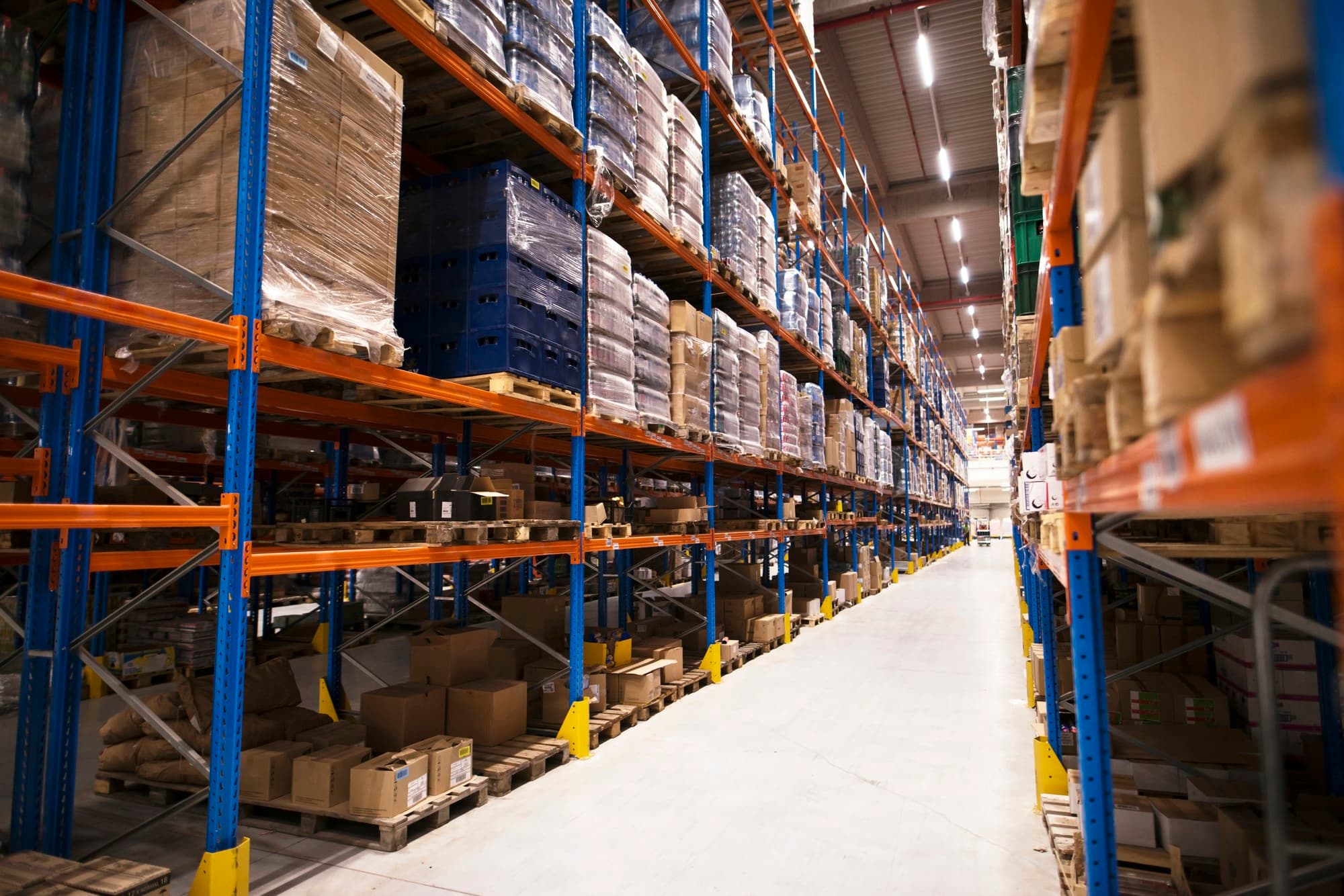
Industrial manufacturers and finishing operations have faced compounding procurement challenges since 2020, and the downstream effects on capital equipment availability remain significant. Lead times for spray booths, powder coating ovens, and complete finishing lines have stretc
How to Choose Between a Batch Oven and Conveyor Oven for Industrial Finishing
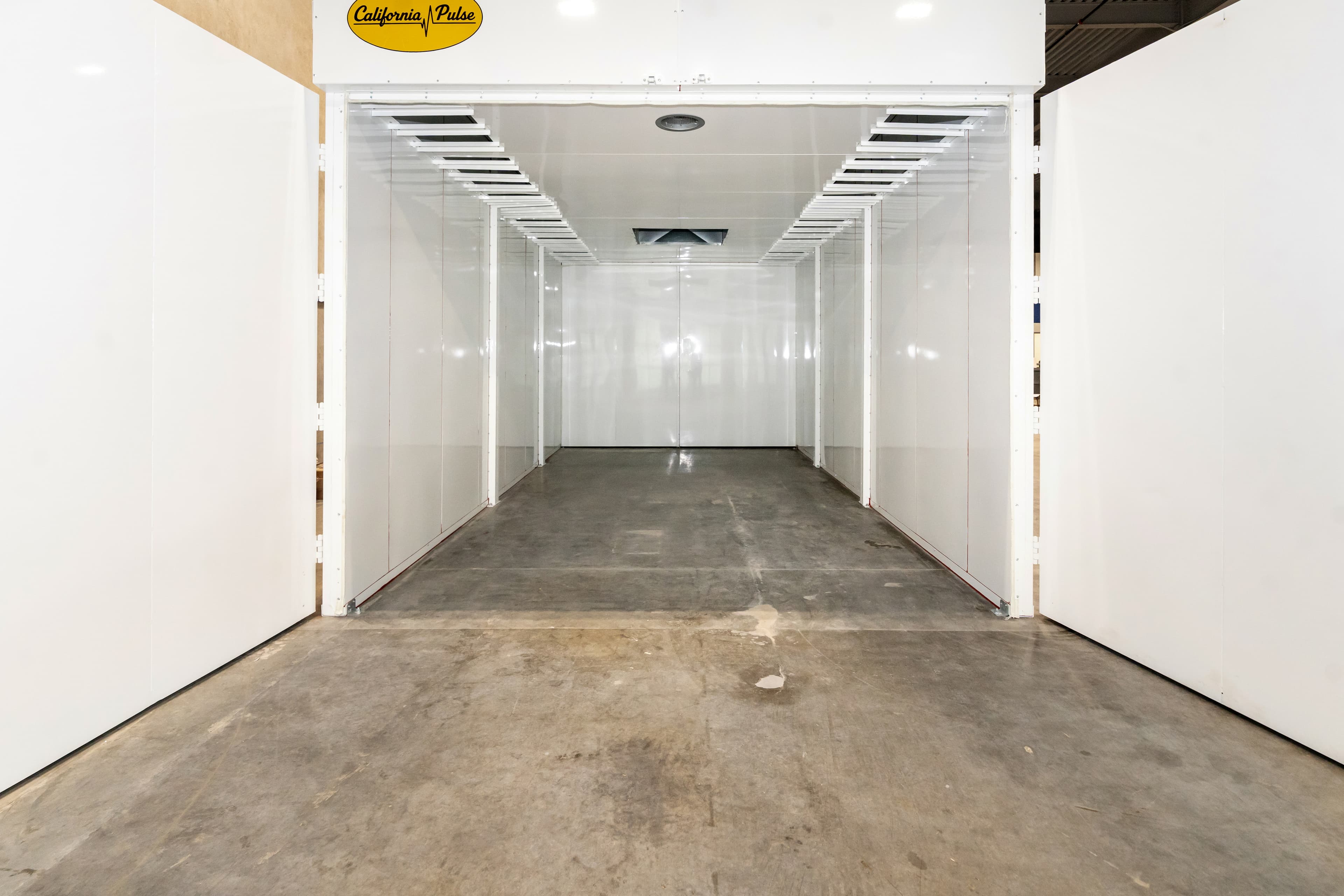
Selecting the right curing oven configuration is one of the most consequential decisions a finishing operation will make. The wrong choice affects throughput, energy consumption, labor requirements, and floor space allocation for years after installation. Understanding the mechan
How to Calculate CFM Requirements for Your Finishing Space
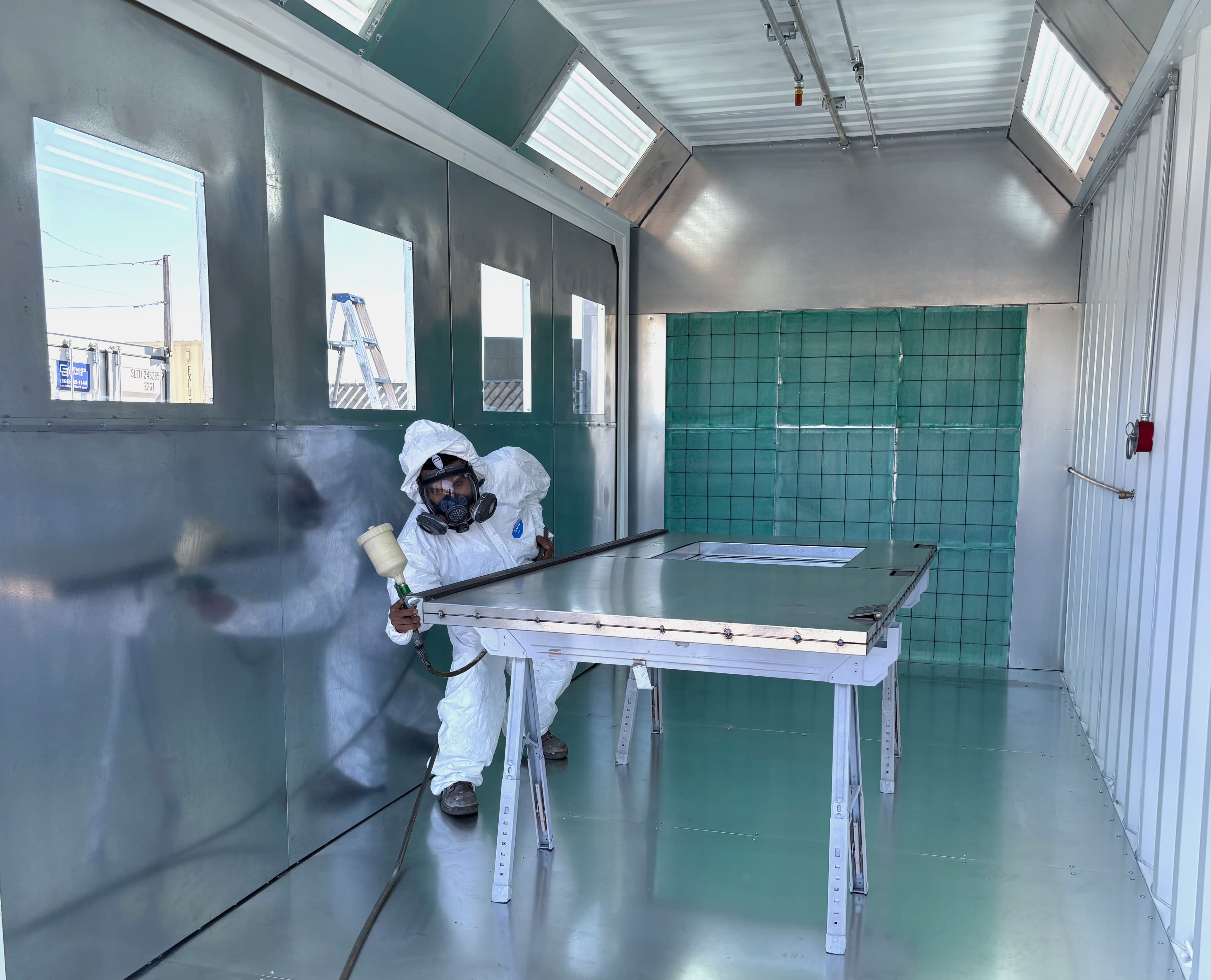
Selecting the wrong airflow capacity for a finishing environment creates measurable consequences: inadequate solvent evacuation, elevated flammability risk, inconsistent coating results, and regulatory non-compliance. Many shops discover airflow deficiencies only after installati
How to Train New Operators on Spray Booth Safety Protocols
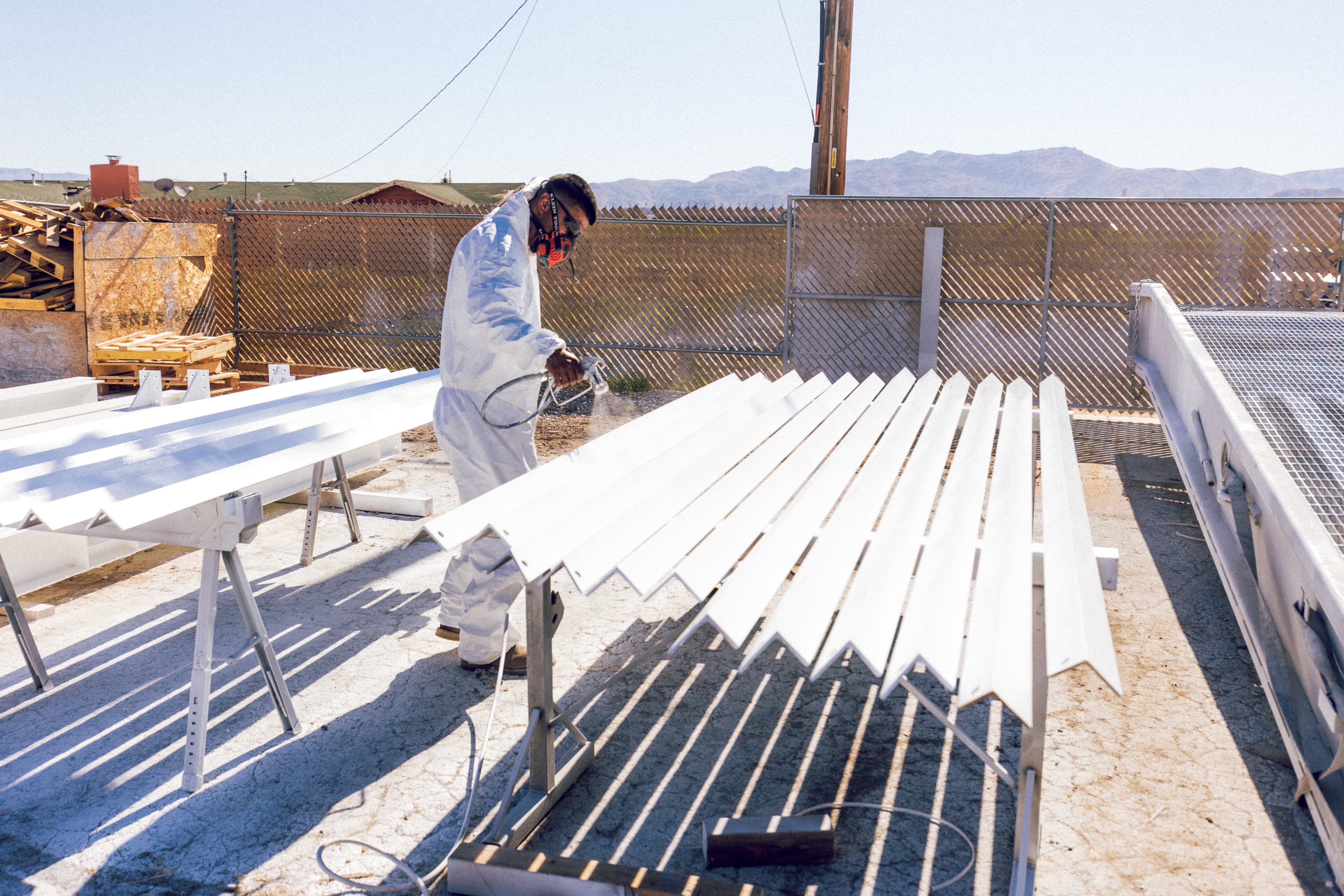
Spray booth environments present a concentrated set of hazards that demand structured, repeatable operator training. Flammable solvents, atomized coating particles, high-velocity airflow systems, and electrical components operate in close proximity during every finishing cycle. F
Spray Booth Lighting Standards for Professional Finishing
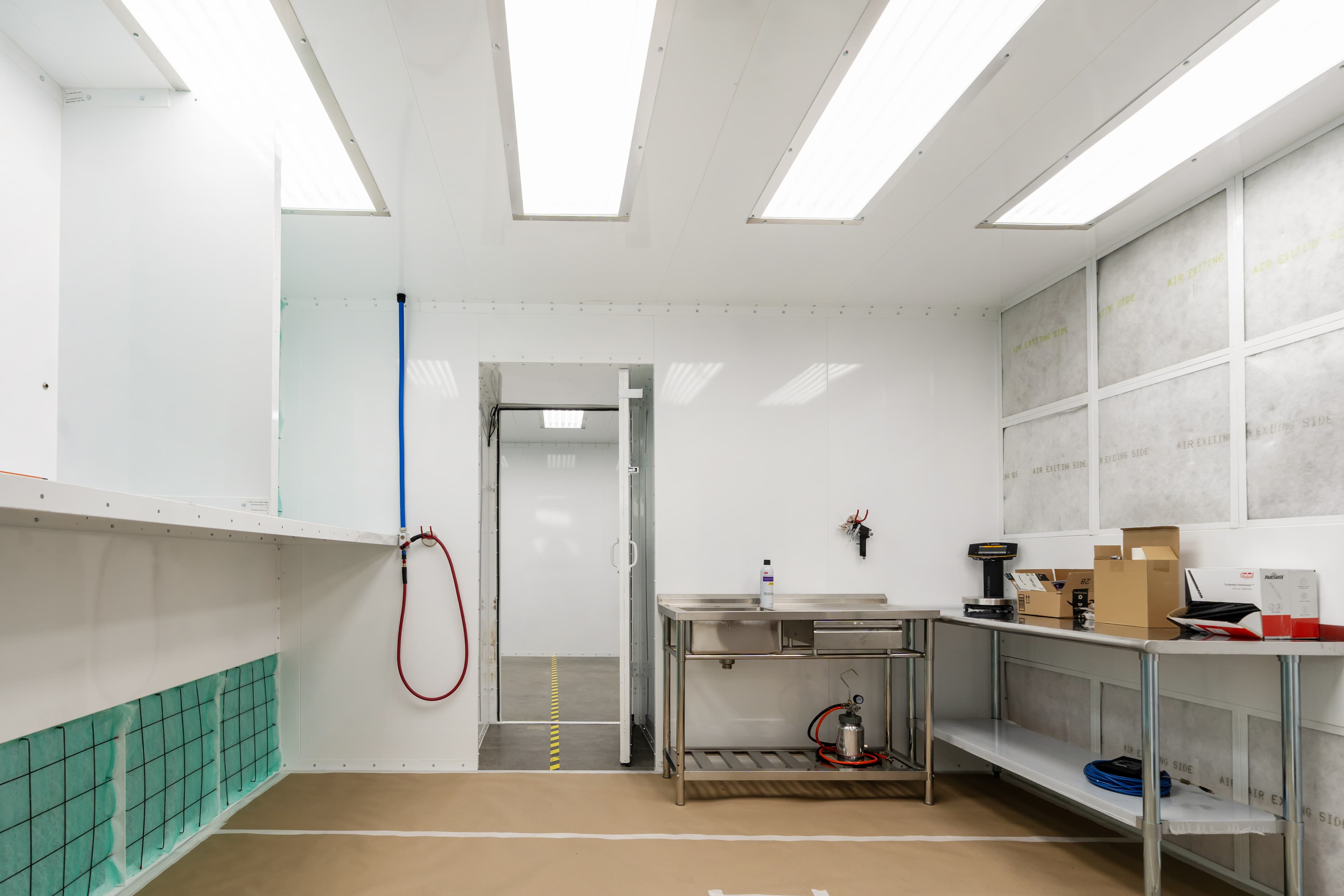
Inadequate lighting inside a spray booth is one of the most common—and most overlooked—causes of finish defects in production environments. When technicians cannot accurately assess surface conditions, wet film thickness, color match, or overspray patterns, the result is rework,
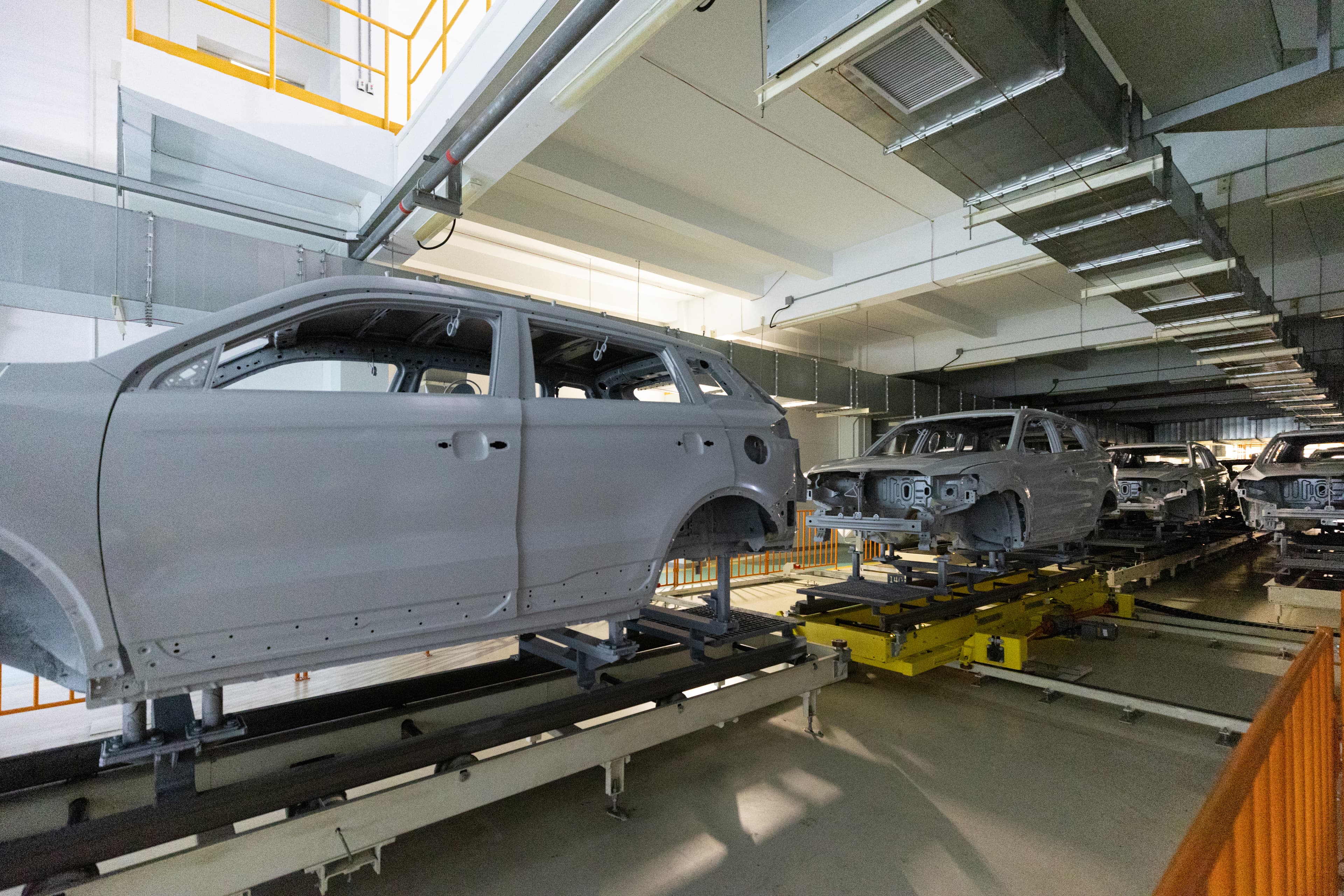
How EV Manufacturing Is Changing Automotive Finishing Requirements
The transition to electric vehicle production has introduced a set of finishing challenges that conventional automotive coating systems were not designed to handle. Battery enclosures, aluminum-intensive body structures, thermal management components, and high-voltage wiring harn
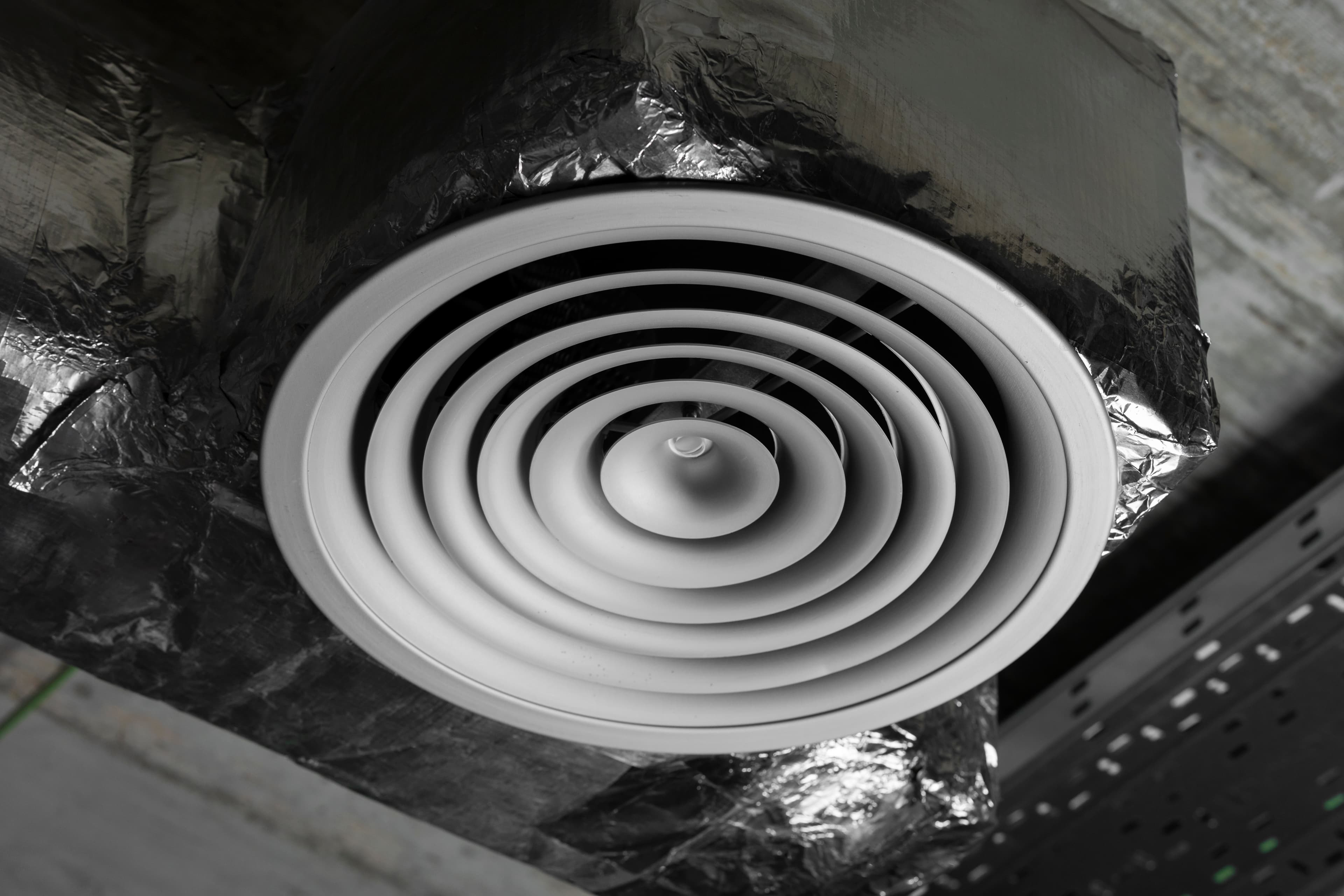
Choosing the Right Exhaust Fan for Your Spray Booth
Spray booth performance depends on more than the size of the enclosure or the quality of the filters. The exhaust fan is the mechanical core of the ventilation system, and selecting the wrong unit creates conditions that compromise finish quality, increase fire risk, and put oper
The Evolution of Aerospace Finishing Standards
Surface finishing in aerospace manufacturing is not a cosmetic concern — it is a structural and regulatory one. Coating failures in aerospace applications have contributed to corrosion-related fatigue, delamination under thermal cycling, and non-compliance findings that ground ai
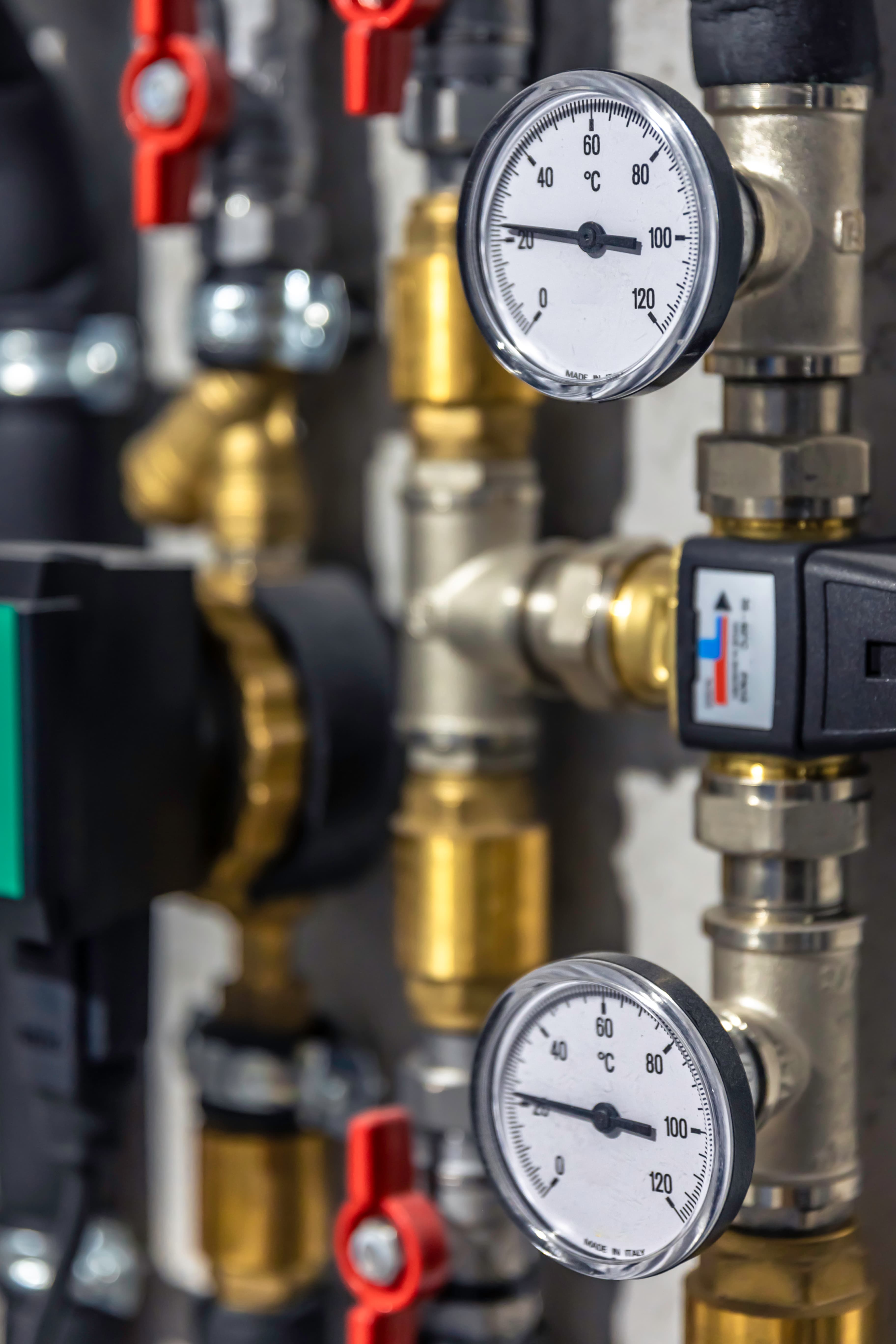
Utility Requirements for Spray Booths and Ovens
When planning a new spray booth or curing oven, most attention is placed on equipment size, airflow, and production capacity. However, one of the most common causes of project delays, budget overruns, and performance issues is inadequate planning for utilities.
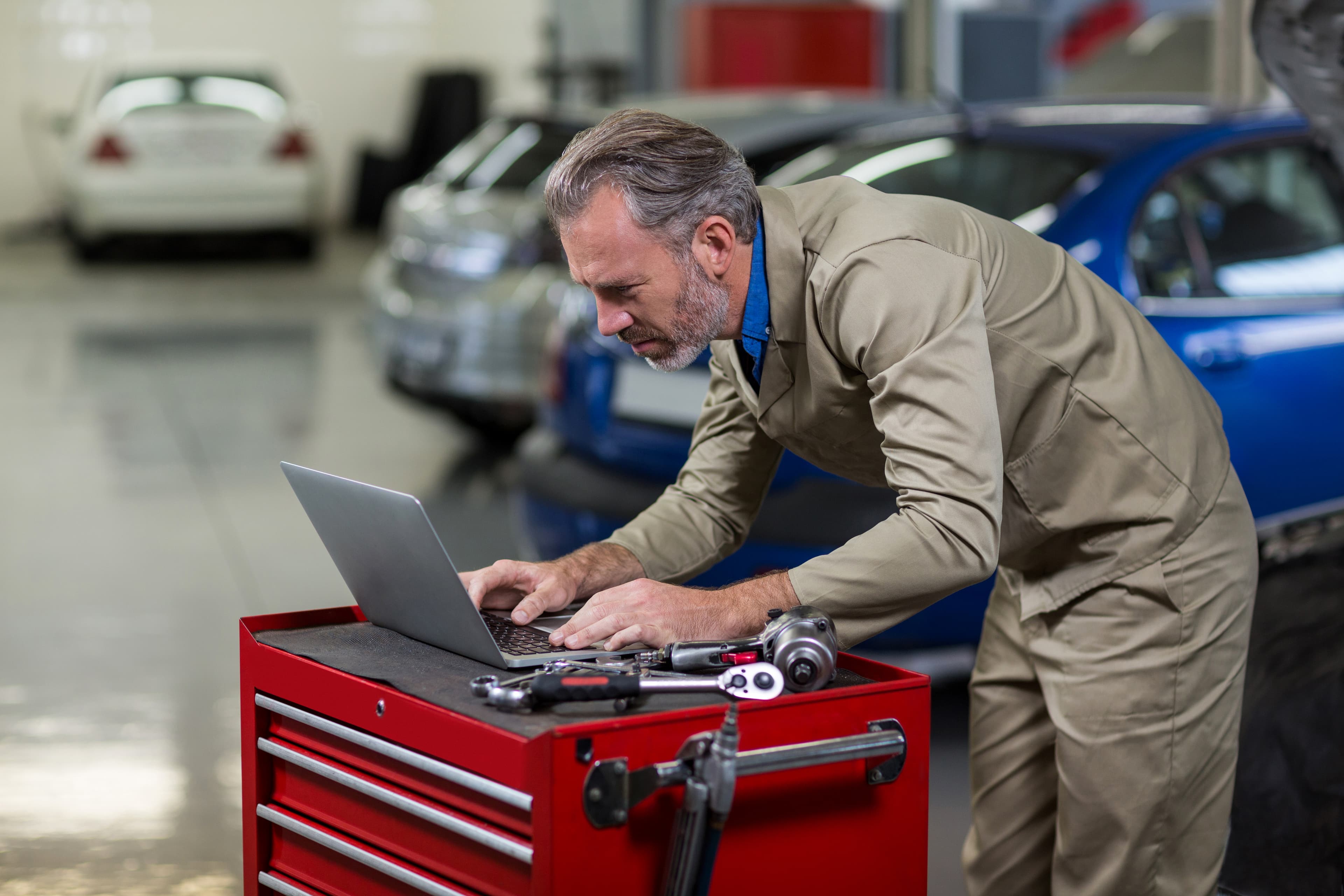
How to Write a Preventive Maintenance Schedule for Finishing Equipment
Unplanned downtime in a finishing operation carries a real cost — halted production, missed delivery windows, and repair invoices that dwarf the expense of routine maintenance. Spray booths, powder coating ovens, conveyors, and prep stations are mechanical and electrical systems
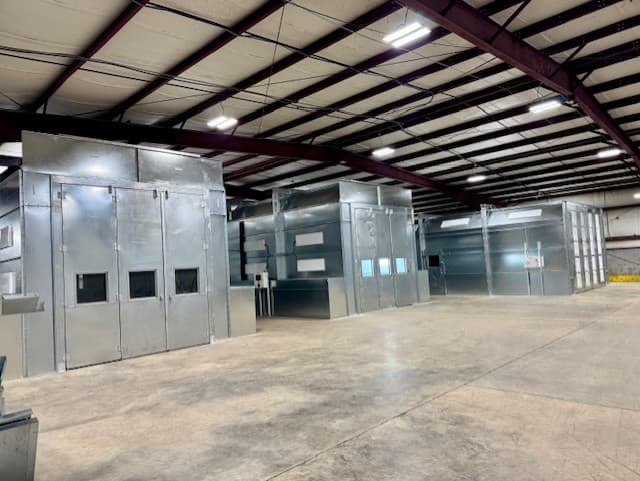
Best Spray Booth Configurations for Automotive Shops
In automotive refinishing, your spray booth isn’t just a piece of equipment—it’s the heartbeat of your operation. The right configuration can dramatically impact finish quality, throughput, energy efficiency, and even technician satisfaction. The wrong one? It can bottleneck prod
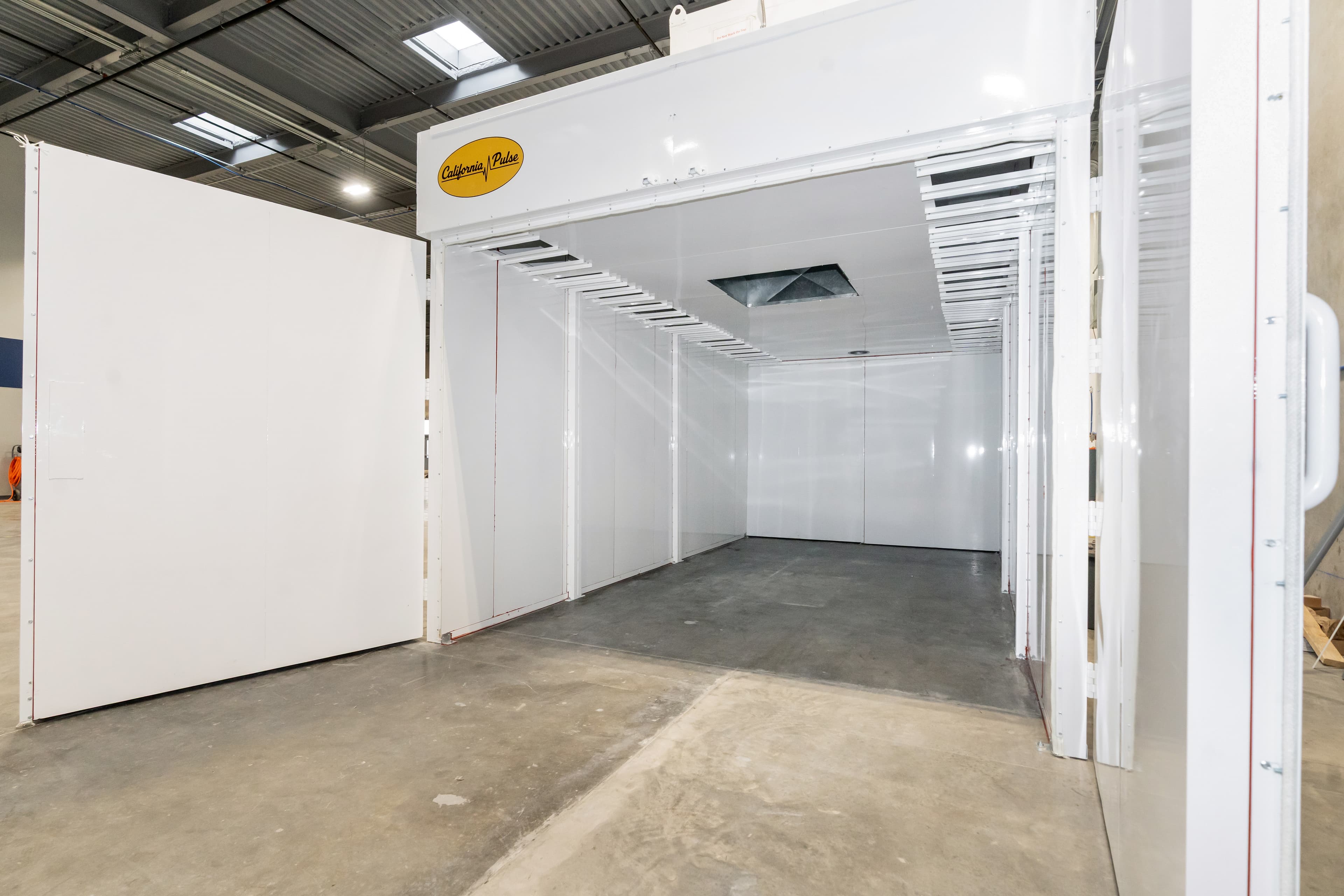
How Oven Design Impacts Cure Consistency
In industrial finishing, achieving a consistent cure is just as important as applying the coating itself. While coating chemistry and application technique play a role, cure consistency is largely determined by oven design.

Direct-from-Manufacturer Pricing: What It Means for Your Bottom Line
For shop owners and manufacturing leaders evaluating finishing equipment, the purchase price is only part of the equation. How that price is determined — and who sets it — has a direct effect on what you actually pay, how quickly you recover your investment, and what kind of supp
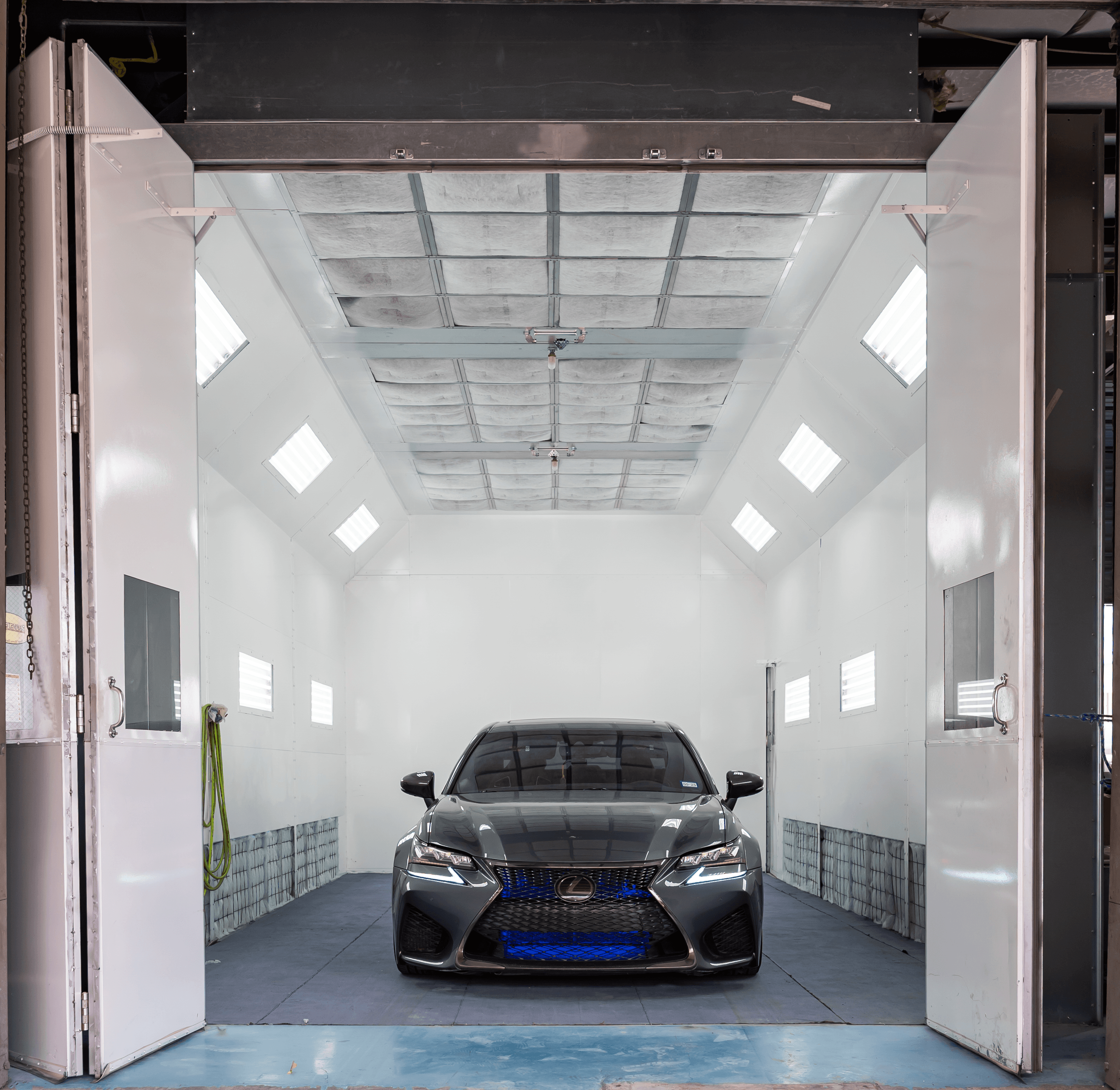
10 Questions to Ask Before Buying a Spray Booth
Purchasing a spray booth is a significant investment that impacts production efficiency, finish quality, operating costs, and compliance for years to come. Yet many buying decisions are made based on limited comparisons, often focusing on price or basic dimensions alone.
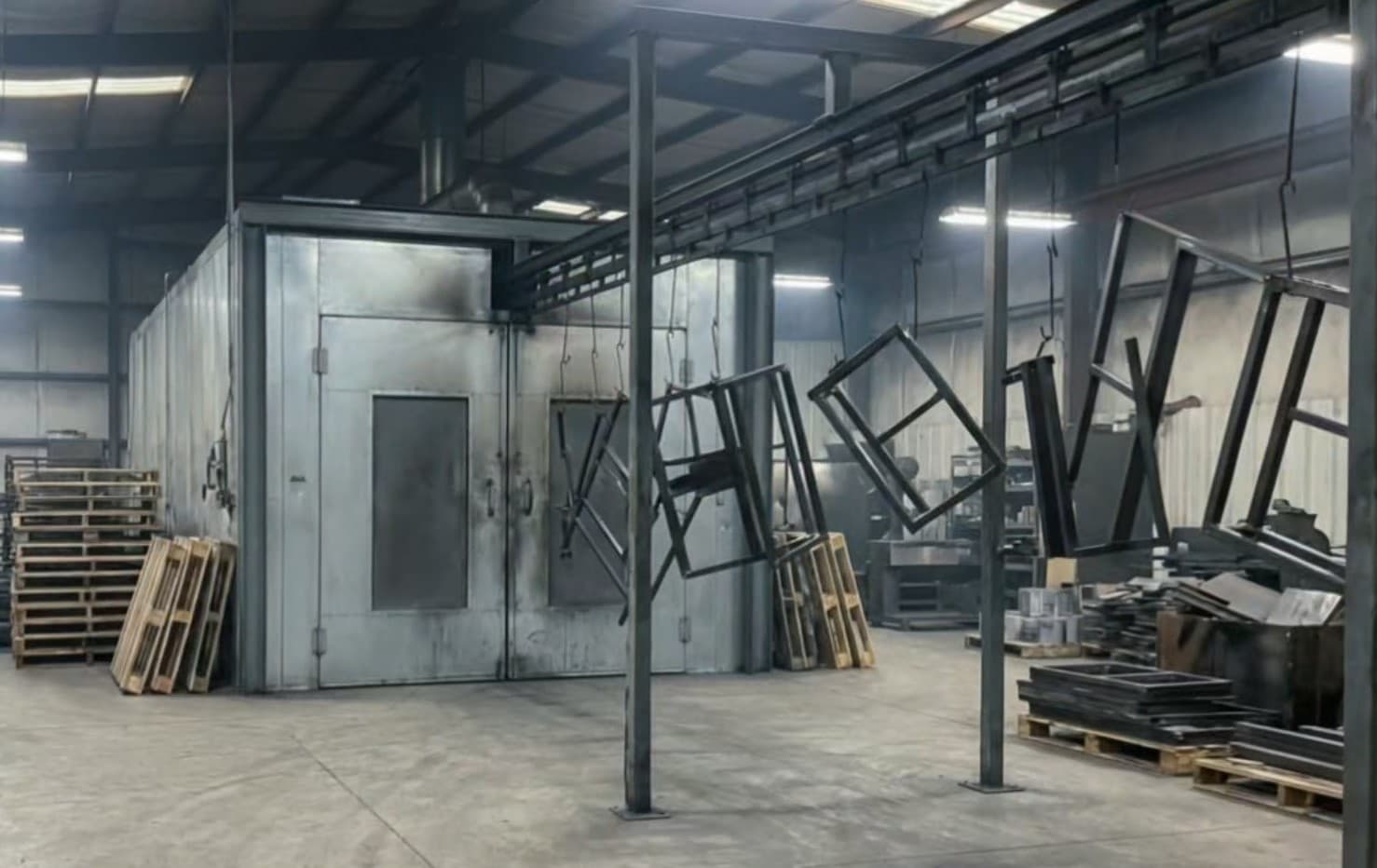
How Upgrading Finishing Equipment Improves Productivity and Increases Capacity
In many manufacturing environments, finishing operations become a hidden constraint on production. When coating systems struggle to keep pace with upstream manufacturing, parts begin to queue, cycle times increase, and production capacity becomes limited.
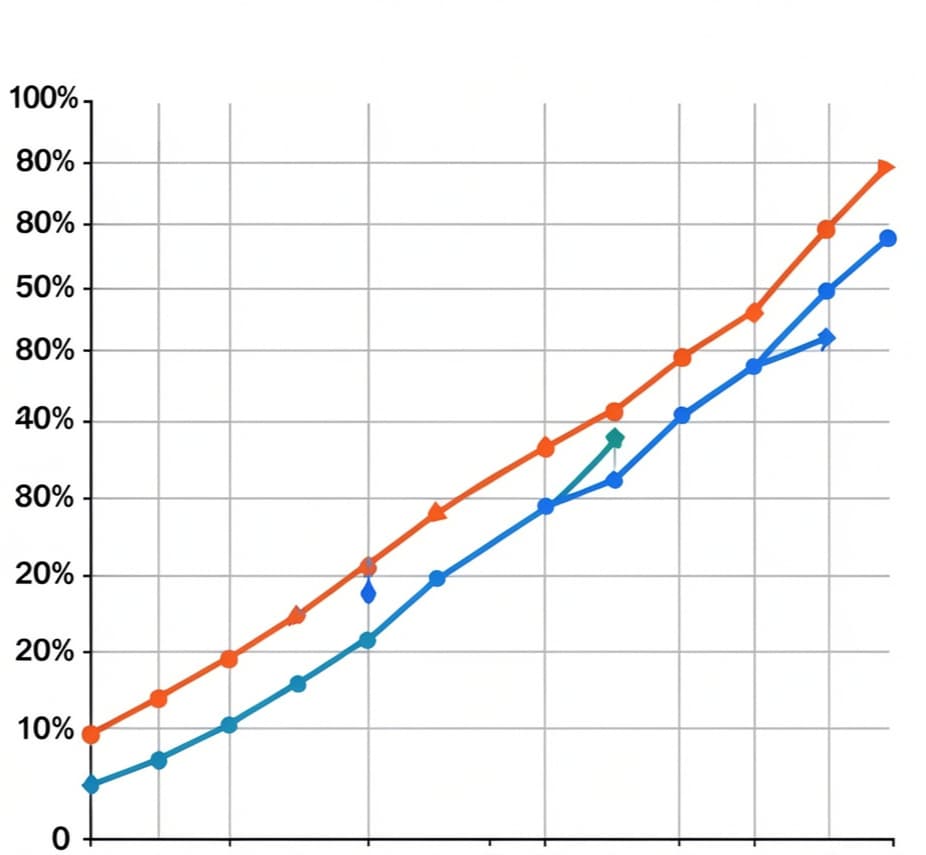
The Real Drivers of First-Pass Yield in Finishing Operations
First-pass yield is one of the most important performance metrics in industrial finishing operations. When parts move through the coating process and meet quality standards without requiring rework, manufacturers save time, materials, and labor while maintaining predictable produ
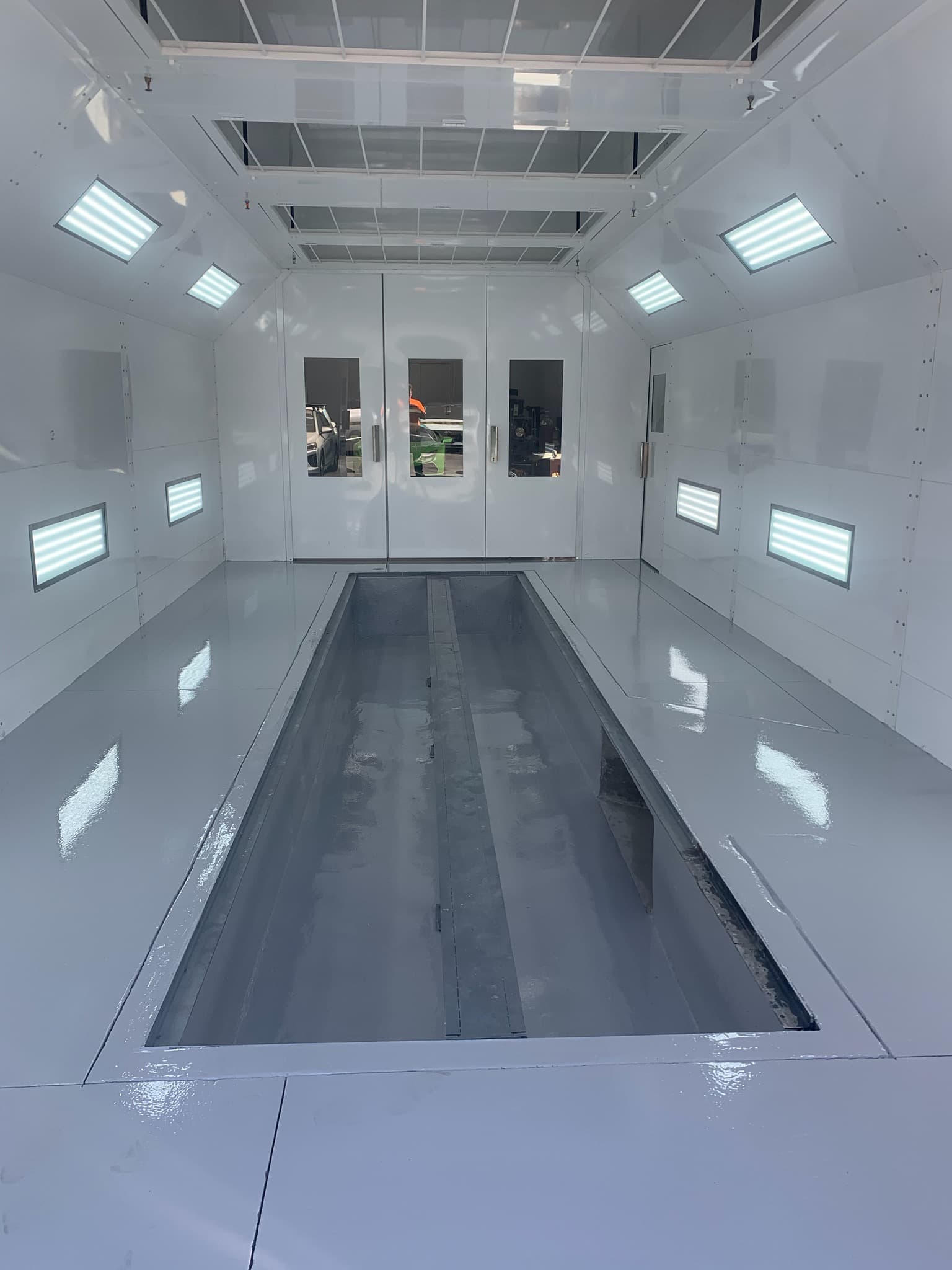
How to Size a Spray Booth for Your Production Volume
One of the most common challenges manufacturers face when planning finishing equipment is determining the right spray booth size for their production needs. Too often, booths are selected based primarily on available floor space or upfront cost rather than the demands of the prod
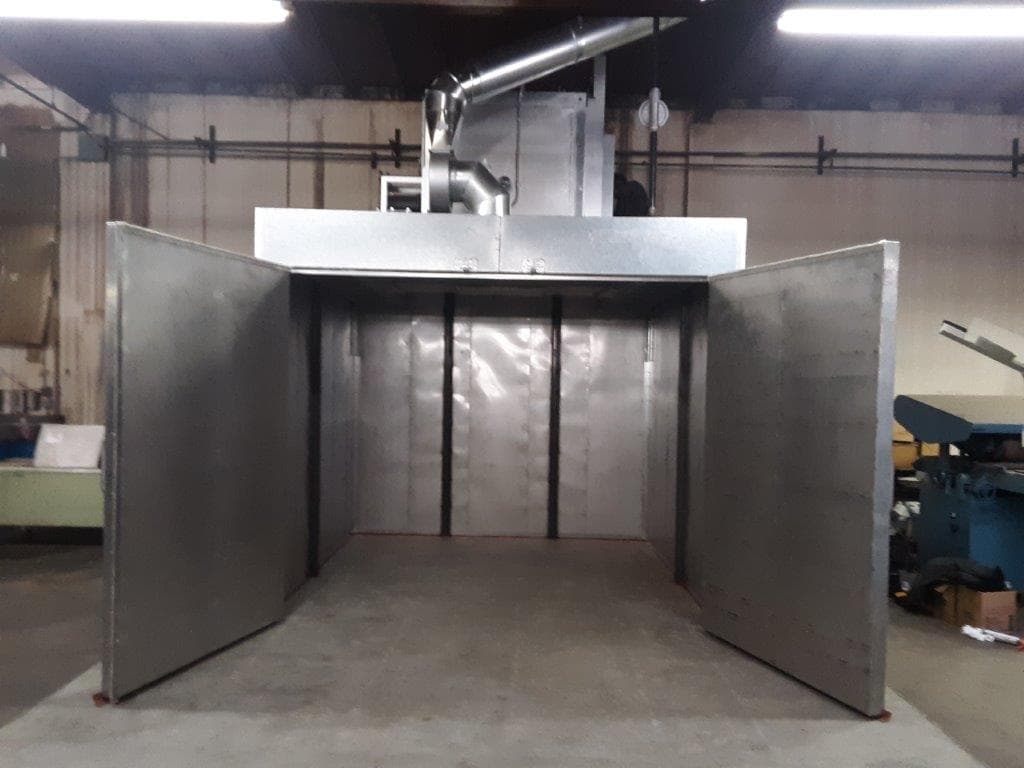
Common Causes of Slow Cure Times in Powder Ovens
In many finishing operations, the curing stage quietly becomes the primary bottleneck in production. Parts move efficiently through preparation and coating, only to slow dramatically once they reach the oven.

How Modern Finishing Systems Can Reduce Operating Costs
In manufacturing, finishing operations are often viewed strictly as a production necessity, a required step between fabrication and shipment. But for many shops, paint booths and curing systems quietly represent one of the largest controllable operating expenses in the facility.
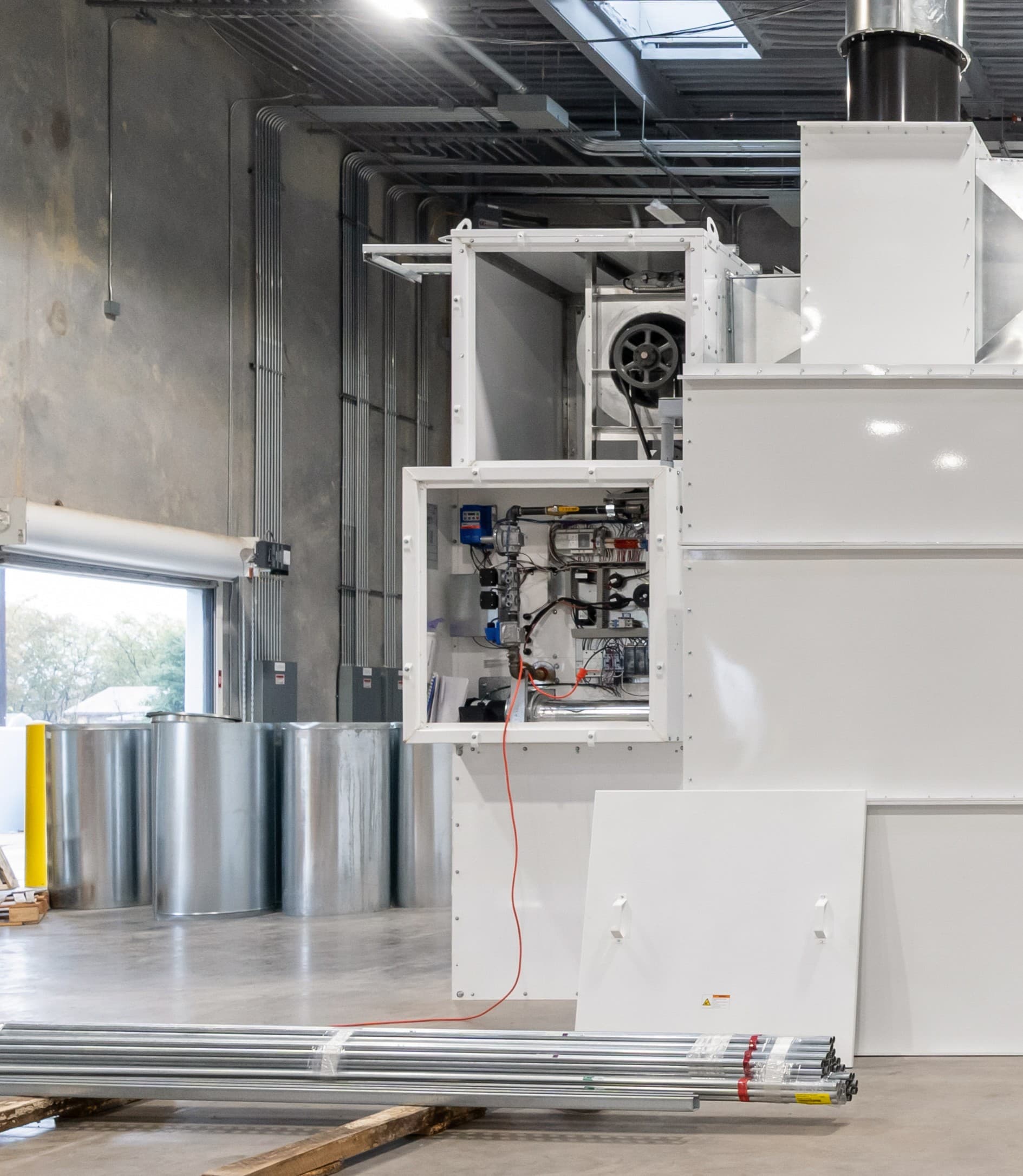
How to Design Finishing Equipment for Easy Maintenance and Serviceability
In industrial finishing environments, equipment performance is only part of the equation. Long-term reliability depends heavily on how easily systems can be inspected, serviced, and repaired. Equipment that is difficult to maintain often leads to extended downtime, inconsistent p

Why ETL-Listed Equipment Matters for Compliance and Liability
In paint and powder coating operations, equipment selection is often driven by performance and price. But for EHS managers, safety leaders, and facilities compliance teams, there’s another critical question:
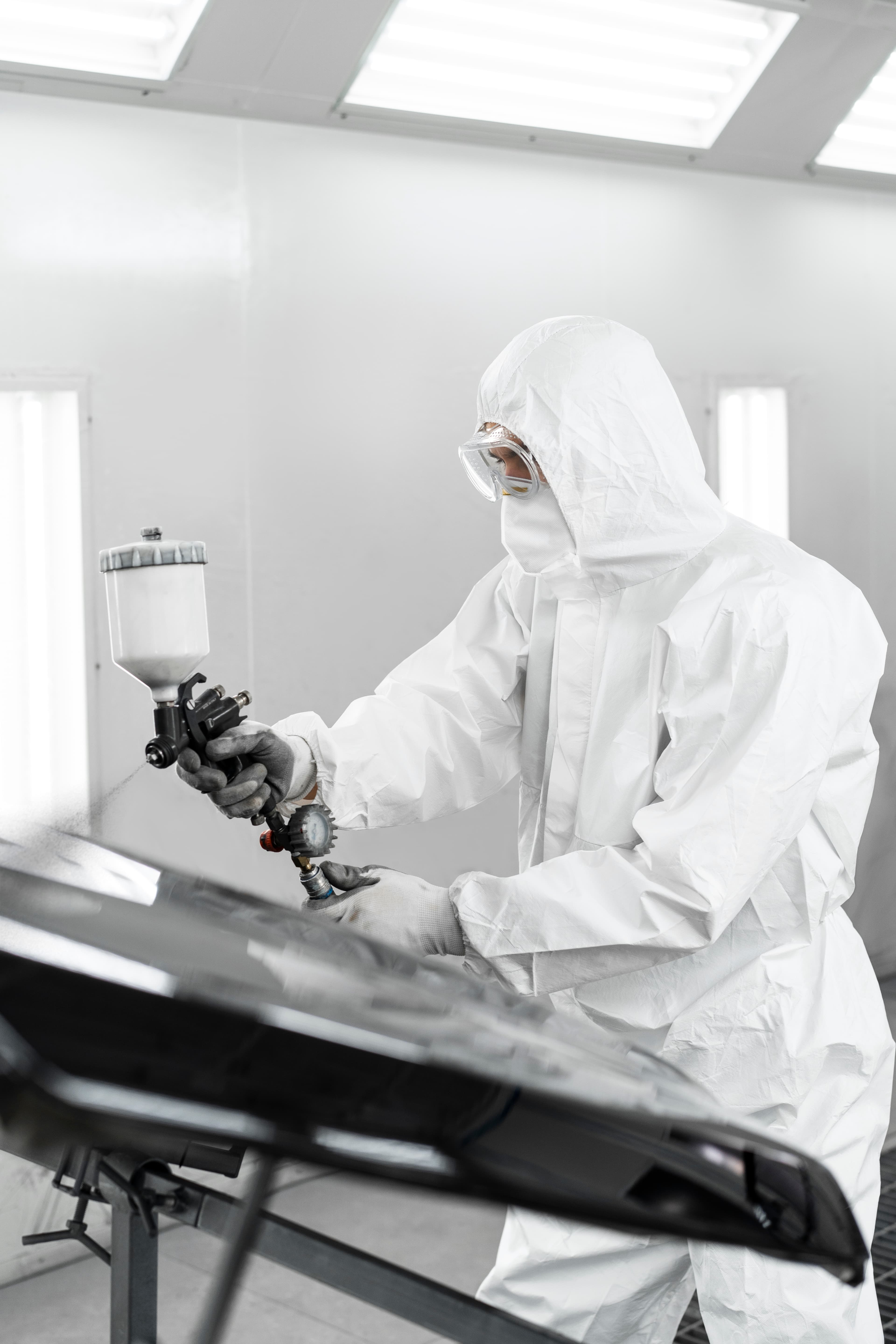
How to Tell if Finishing Process Issues Are Operator, Material, or Environment Related
Inconsistent coating results are one of the most frustrating challenges in industrial finishing. When defects appear or production performance drops, teams often look first at operators or coating materials as the source of the problem. In reality, many finishing issues originate

Safety in Finishing Operations: Risks, Causes, and Prevention
Paint and powder coating operations involve combustible materials, heated air, electrical systems, and high-volume airflow—all operating in close proximity. When safety is treated as a checklist instead of a system, risk increases quickly.
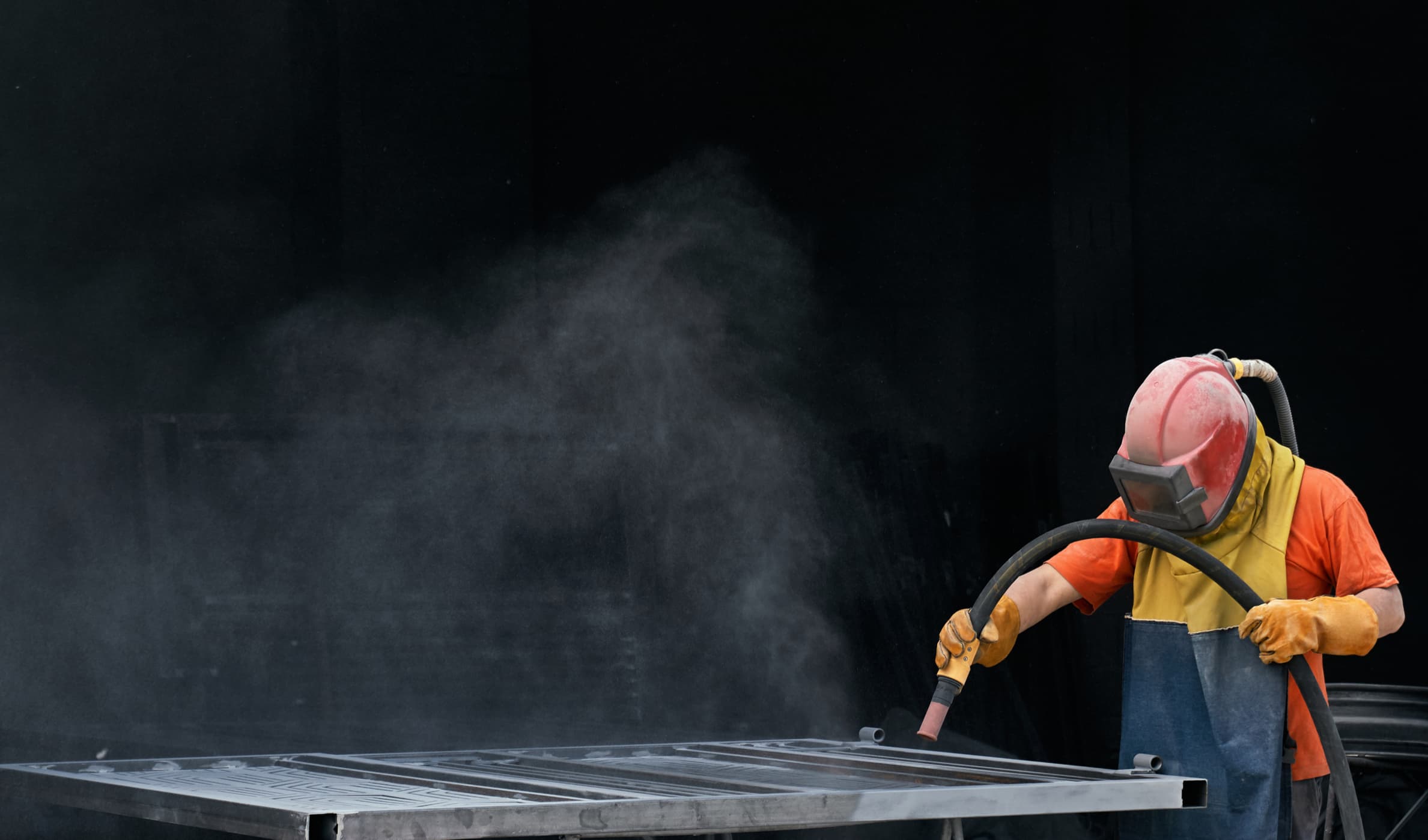
How Sandblasting and Blast Booths Support Proper Surface Preparation Before Painting
Surface preparation is one of the most important steps in any liquid or powder coating operation. No matter how advanced the coating material or spray equipment may be, finishes will fail if the substrate is not properly prepared. Contaminants such as oil, grease, rust, mill scal
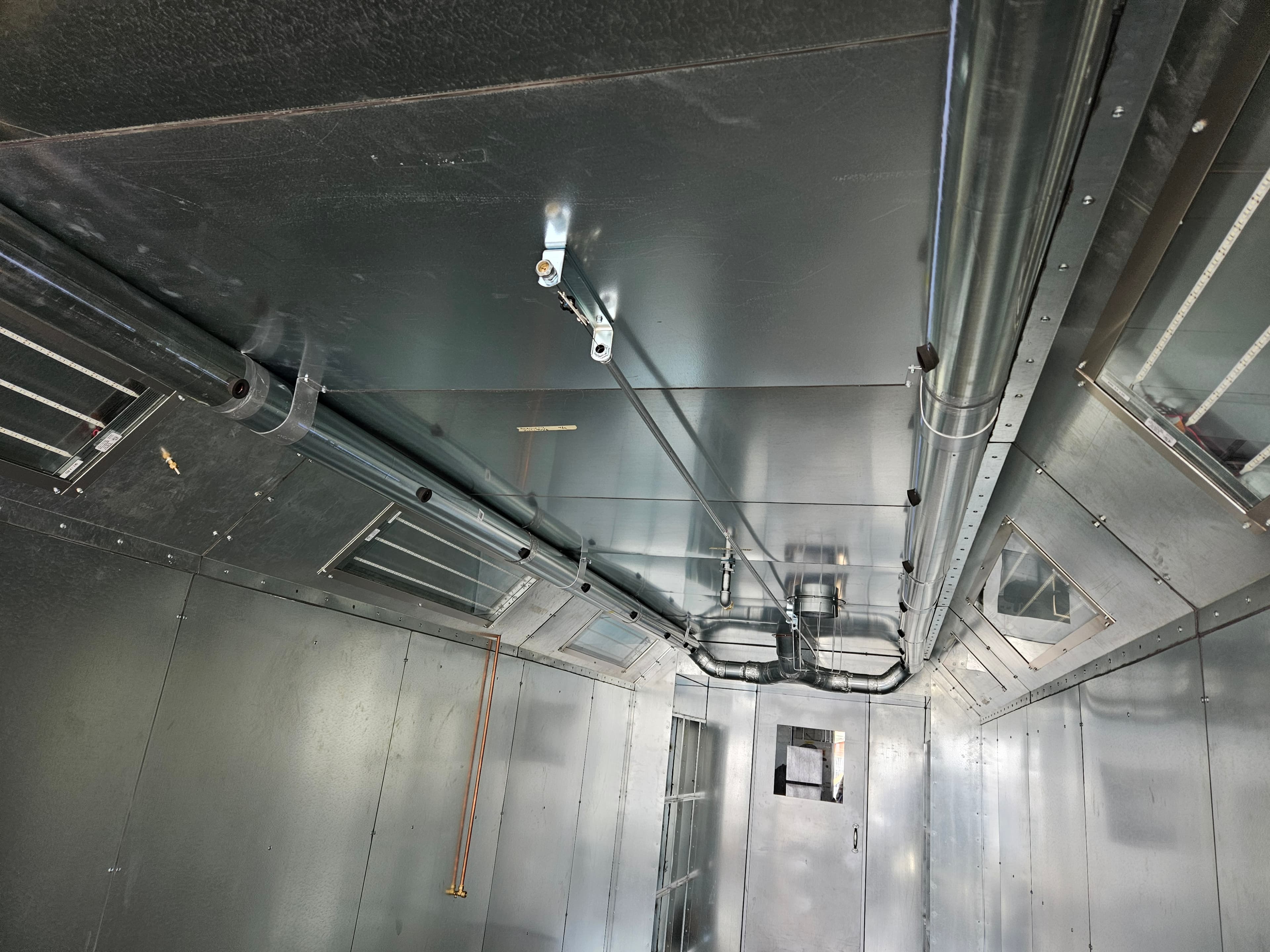
What to Expect During Spray Booth & Oven Installation
Installing a spray booth or curing oven is not just a delivery—it’s a coordinated construction, mechanical, and commissioning process. One of the most common questions we hear is “How long will installation take?” Closely followed by “What should we expect during install?”
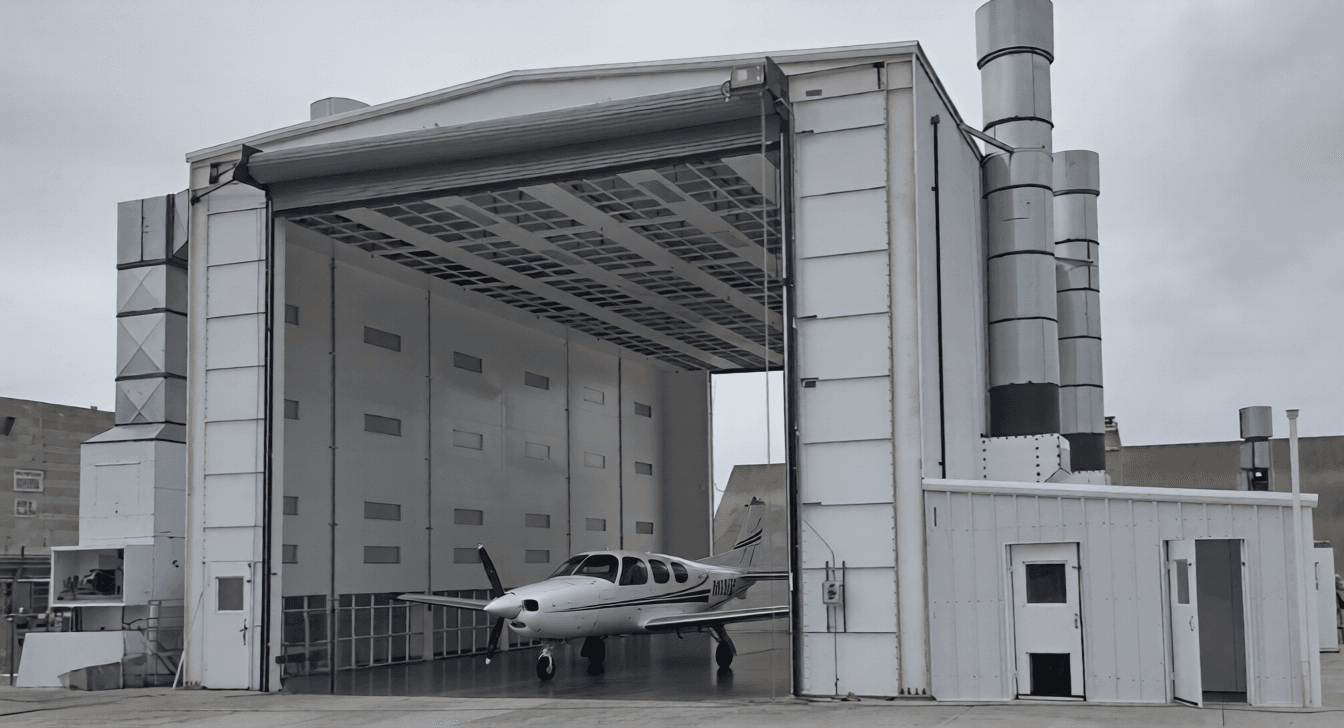
8 Things Aerospace Manufacturers Can’t Afford to Overlook When Buying Finishing Equipment
Purchasing paint finishing equipment for the aerospace industry is fundamentally different from buying finishing systems for other markets. Aircraft, components, and defense-related programs demand extreme consistency, traceability, and compliance—where a single process deviation
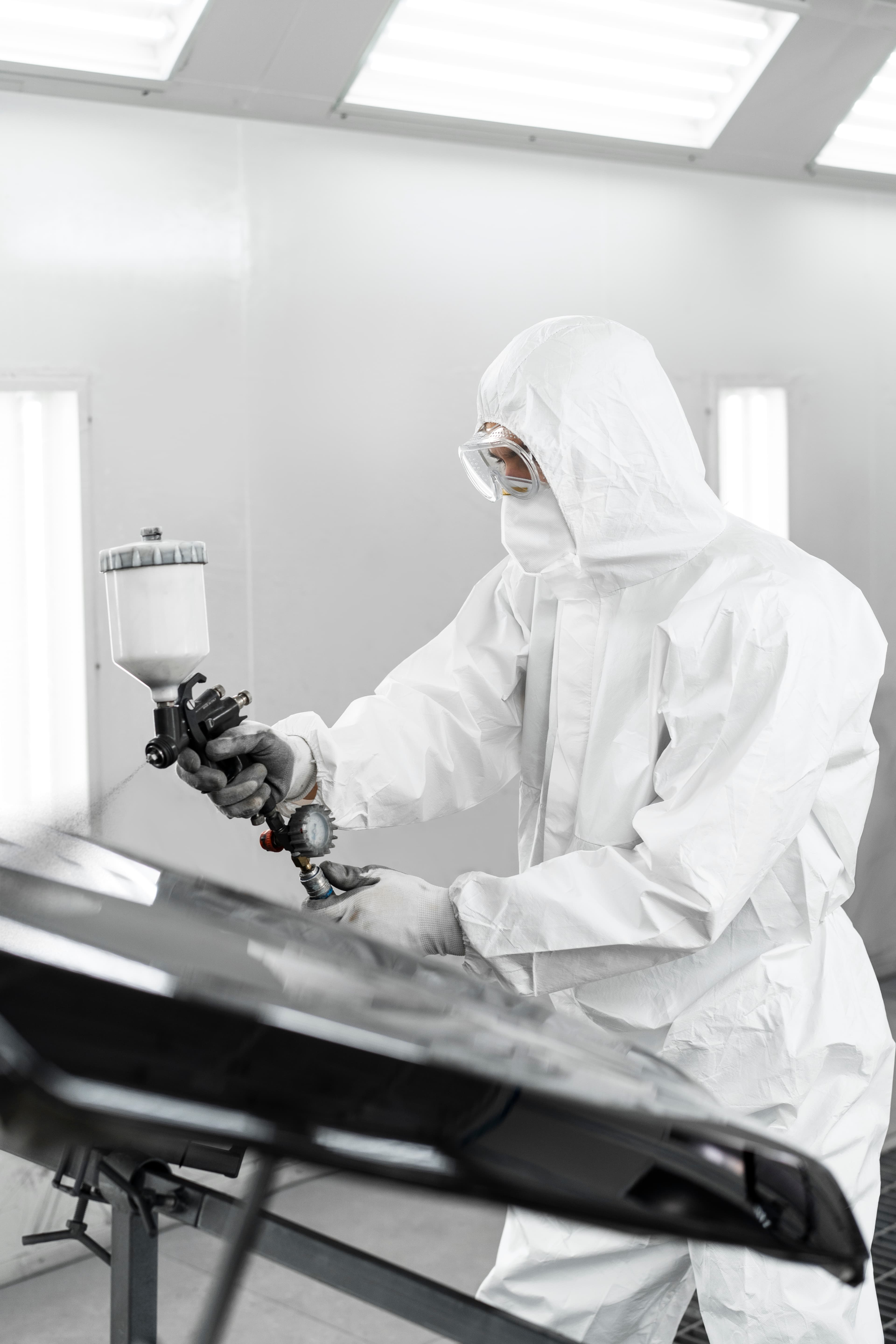
Liquid Paint vs. Powder Coating: Choosing the Right Finishing Process
Selecting the right coating method is a critical decision that impacts finish quality, durability, production speed, and long-term operating costs. Liquid paint and powder coating are the two most common finishing technologies used across industrial, aerospace, and manufacturing

How to Evaluate Your Booth’s Performance: KPIs and Metrics Every Shop Should Track
Many finishing operations judge spray booth performance by feel: Does it look good? Is paint sticking? Are painters complaining? While experience matters, relying solely on subjective feedback makes it difficult to identify inefficiencies, diagnose problems early, or justify upgr
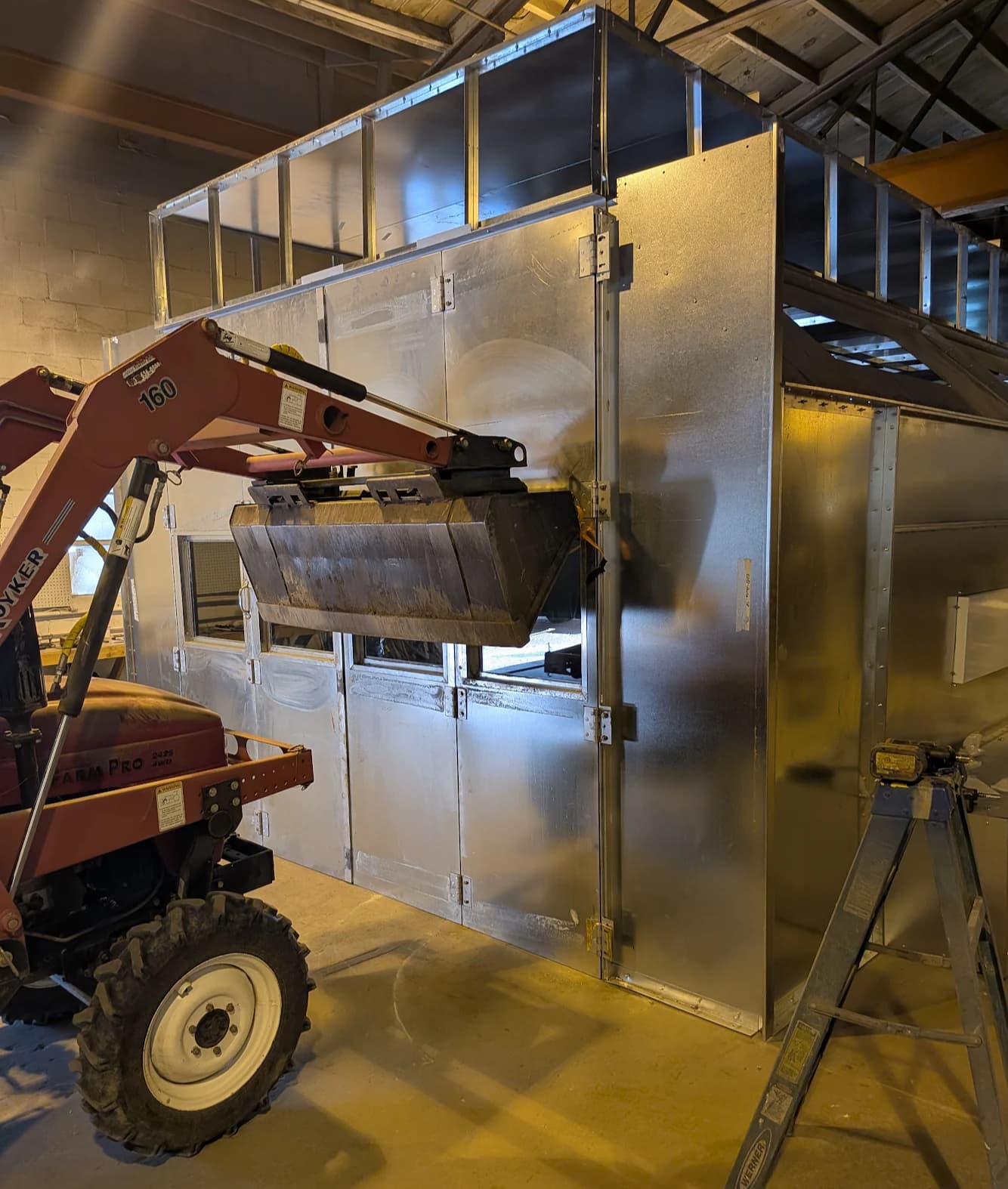
From Small Shop to Standout Success: Kodiak Auto Body & Paint’s Growth
How Kodiak Auto Body & Paint raised the bar on quality and grew its business with durable, well-supported California Pulse finishing equipment.

Leading the Island: Paint Box Expands Heavy Equipment Finishing
How Paint Box LLC expanded beyond auto body work with a large-equipment spray booth from California Pulse — becoming the only shop on the island able to finish oversized trucks and heavy equipment.

Why One-Size-Fits-All Doesn’t Work in Finishing Equipment
In industrial finishing, it’s tempting to believe that a standard, off-the-shelf solution will work for most applications. After all, many finishing systems look similar on the surface. But paint and powder coating equipment is not generic infrastructure—it is process-specific ma
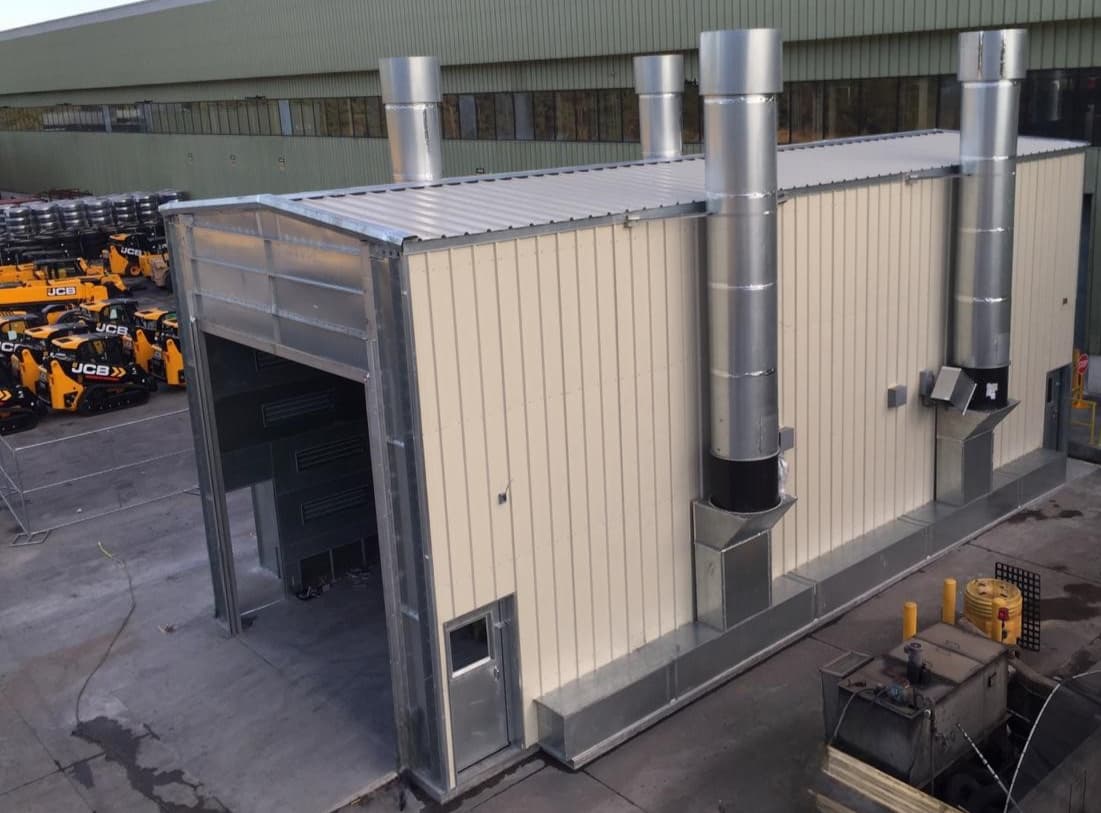
5 Things That Lead to Better Finishing Equipment Investments
Choosing finishing equipment isn’t just a purchase — it’s a long-term business decision that affects quality, safety, compliance, productivity, and operating cost. Use this guide to evaluate any finishing system before you invest.

Common Surface Appearance Issues in Liquid and Powder Coating
In liquid and powder coating operations, surface appearance is a direct reflection of process control. Even minor defects can result in rejected parts, rework, lost production time, and increased material costs. In industries such as aerospace, automotive, and industrial manufact

What Most Shops Get Wrong About Airflow
In paint and powder coating operations, airflow is not just about moving air, it is about controlling it. Yet many shops treat airflow as a simple box to check: “Is the fan running? Yes? Good enough.” This mindset leads to chronic finish issues, energy waste, compliance problems,

Navigating the Permitting Process for Finishing Systems
Installing a paint booth is a major investment in safety, quality, and production. Before any spraying can begin, the system may require permitting to ensure compliance with building, fire, electrical, and environmental regulations.

“The Cheapest Booth” Is Often the Most Expensive Decision
When shopping for a spray booth, it’s natural to focus on the upfront price. Budgets are tight, timelines are demanding, and on paper, many booths can appear similar. But in the paint and finishing industry, the lowest-cost option often comes with hidden compromises that reveal t
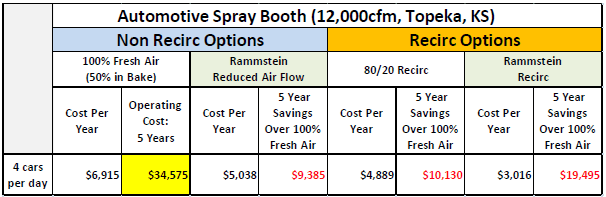
To Recirc, or Not to Recirc: How to Slash Energy Costs by 50%
A recirculating paint booth can result in huge energy efficiency savings for your business. In conventional paint booths, air flows through the system once and is 100% exhausted out. None of the air is recirculated. In recirculating booths, a portion of the air passes through the
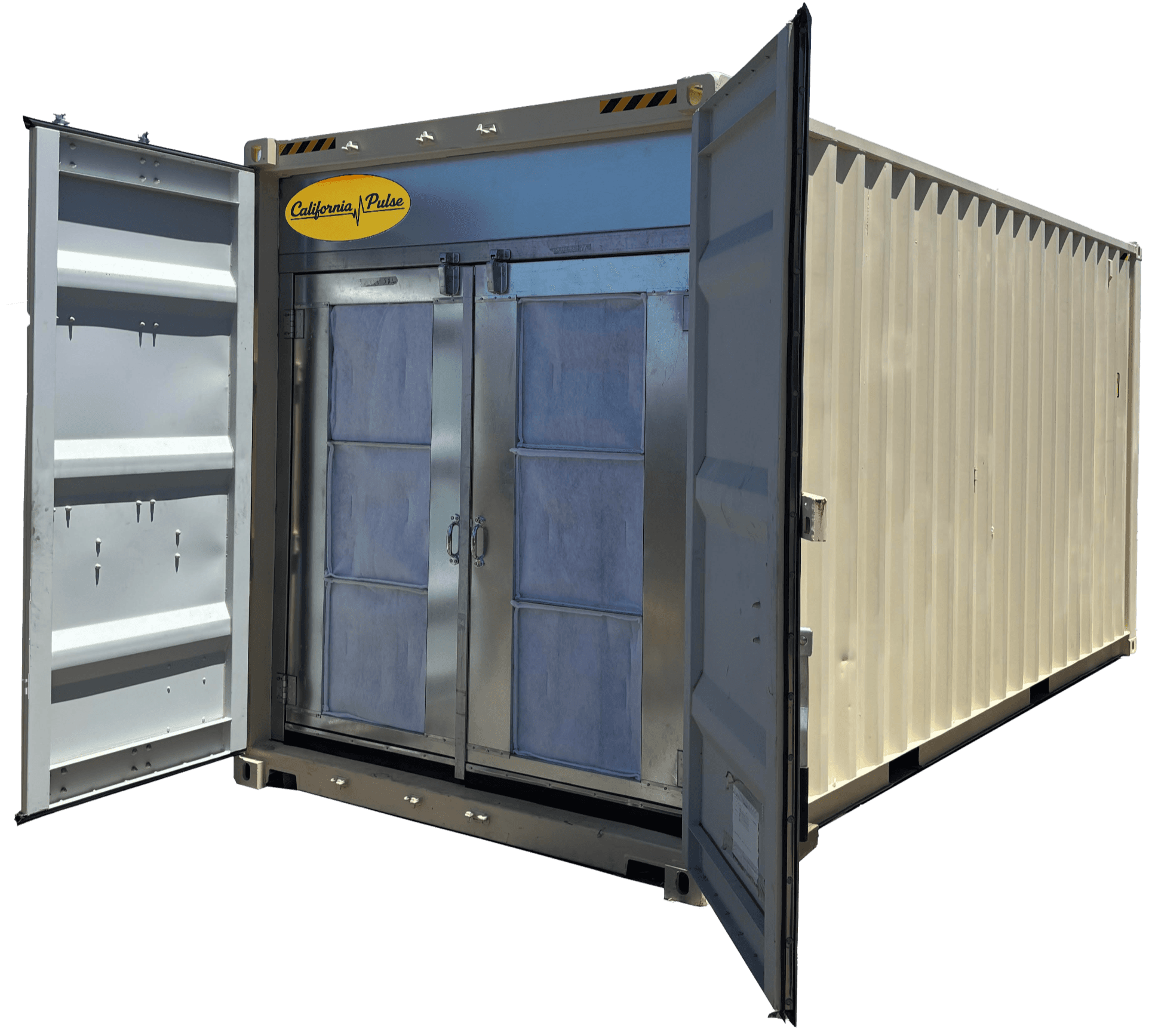
Solving Space & Mobility Challenges
Not every facility has the luxury of open floor space, permanent square footage, or the budget for large-scale construction. Many finishing operations need a compliant, controllable, safe environment to spray coatings without pouring new slabs, modifying buildings, or waiting out
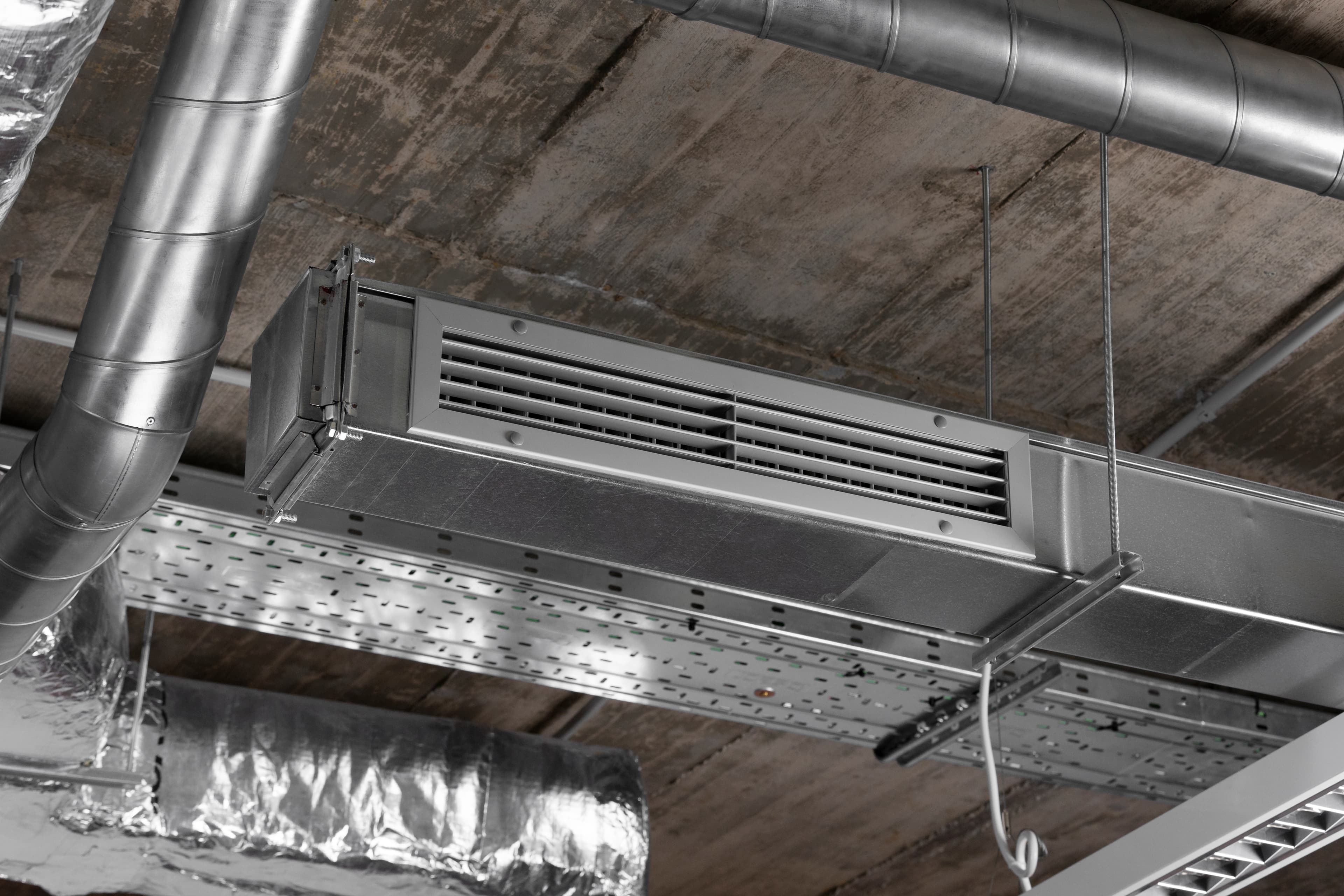
Designing Effective Ductwork for Industrial Finishing Systems
Ductwork is the backbone of any spray booth or finishing system. Even the best booth, fan, and filtration package will underperform if the duct system is poorly designed. Improper duct layouts reduce airflow, increase energy consumption, create uneven booth pressures, and lead to
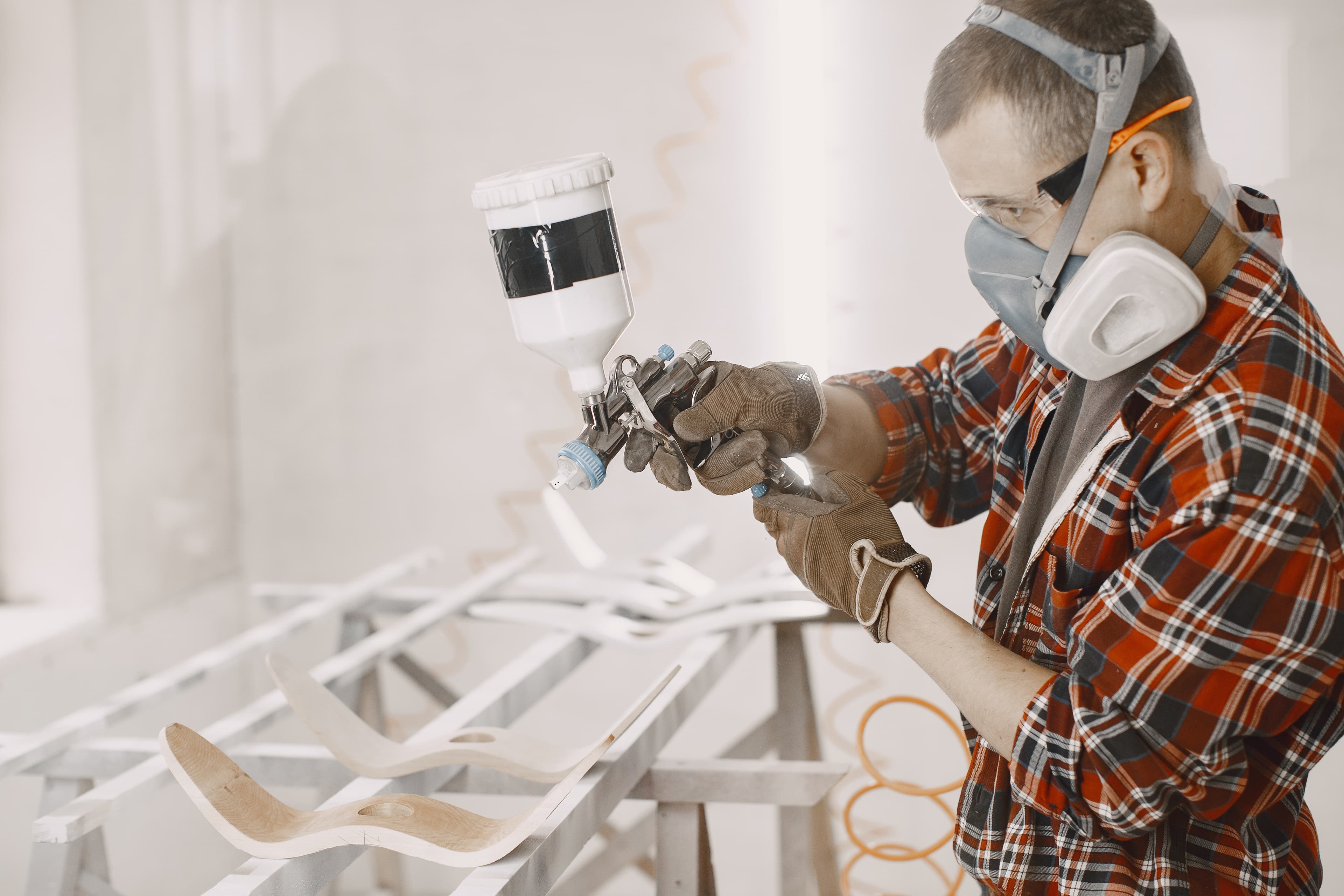
Optimizing Wood Finishing Operations: Strategies to Improve Throughput and Finish Consistency
High-quality wood finishing depends on more than skilled craftsmanship—it requires the right finishing environments at every stage of production. From surface preparation to coating application and curing, controlled environments reduce contamination, improve consistency, and dra
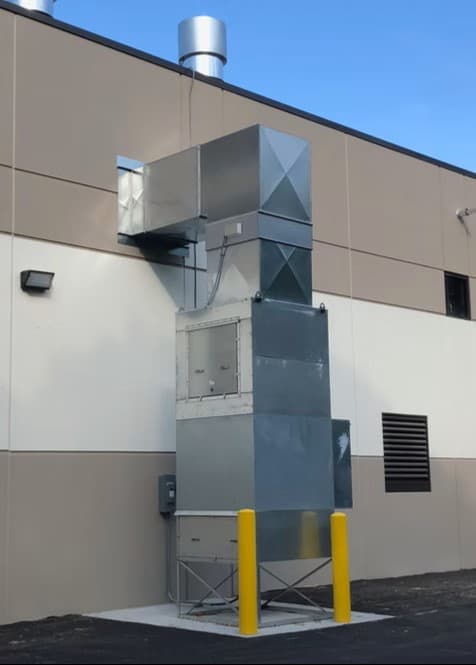
Improve Finish Quality Instantly With the Right Air Makeup Unit
In any professional finishing environment—automotive spray booths, powder coating booths, or prep stations—consistent temperature and stable airflow are non-negotiable. An Air Makeup Unit (AMU) ensures both, delivering a controlled stream of pre-conditioned air that keeps your sp
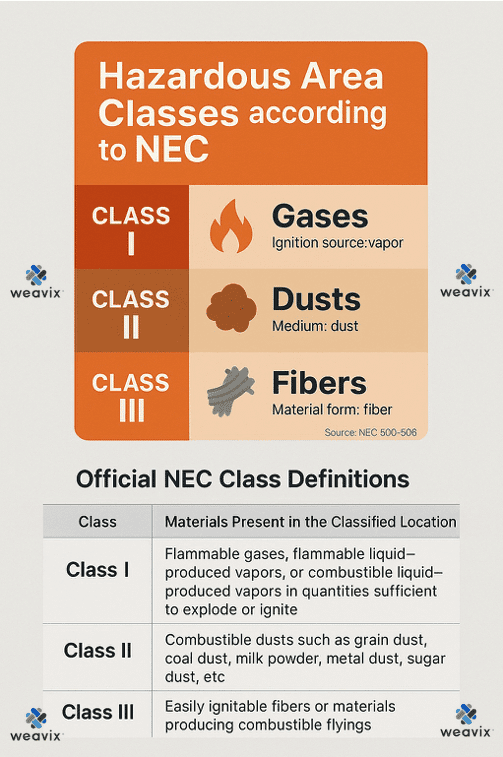
Achieving Code Compliance in Modern Paint Finishing Environments
Compliance in modern coating operations is about more than meeting regulations—it's about protecting operators, ensuring predictable finish quality, and maintaining a safe working environment. Proper airflow, electrical safety, fire protection, and filtration all work together to
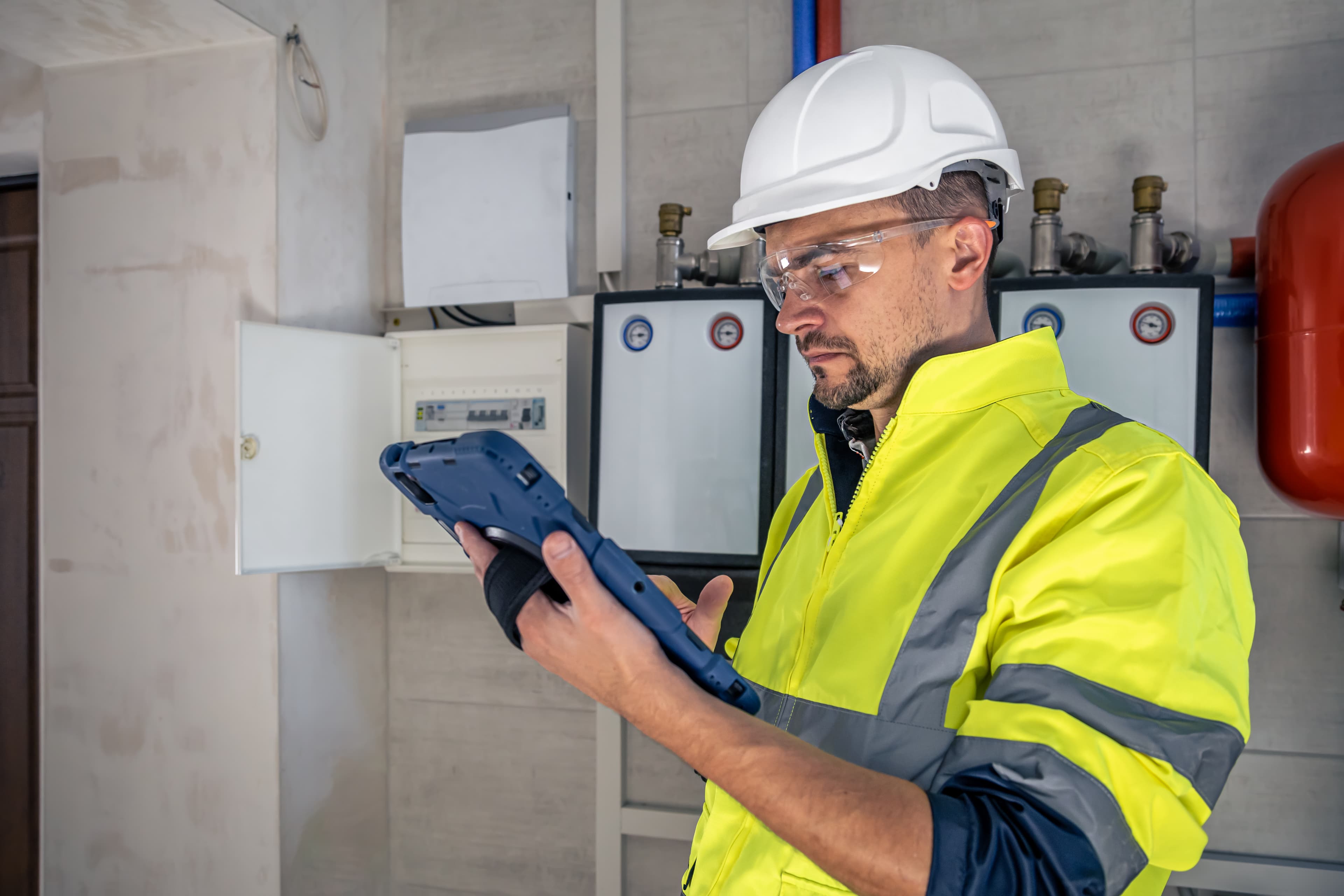
Elite Finishing Starts With Proper Booth Startup & Training
A spray booth is one of the most important pieces of equipment in any finishing operation, but it performs only as well as the people operating it. Proper startup and operator training can be a foundational part of achieving consistent finishes, maintaining compliance, and protec
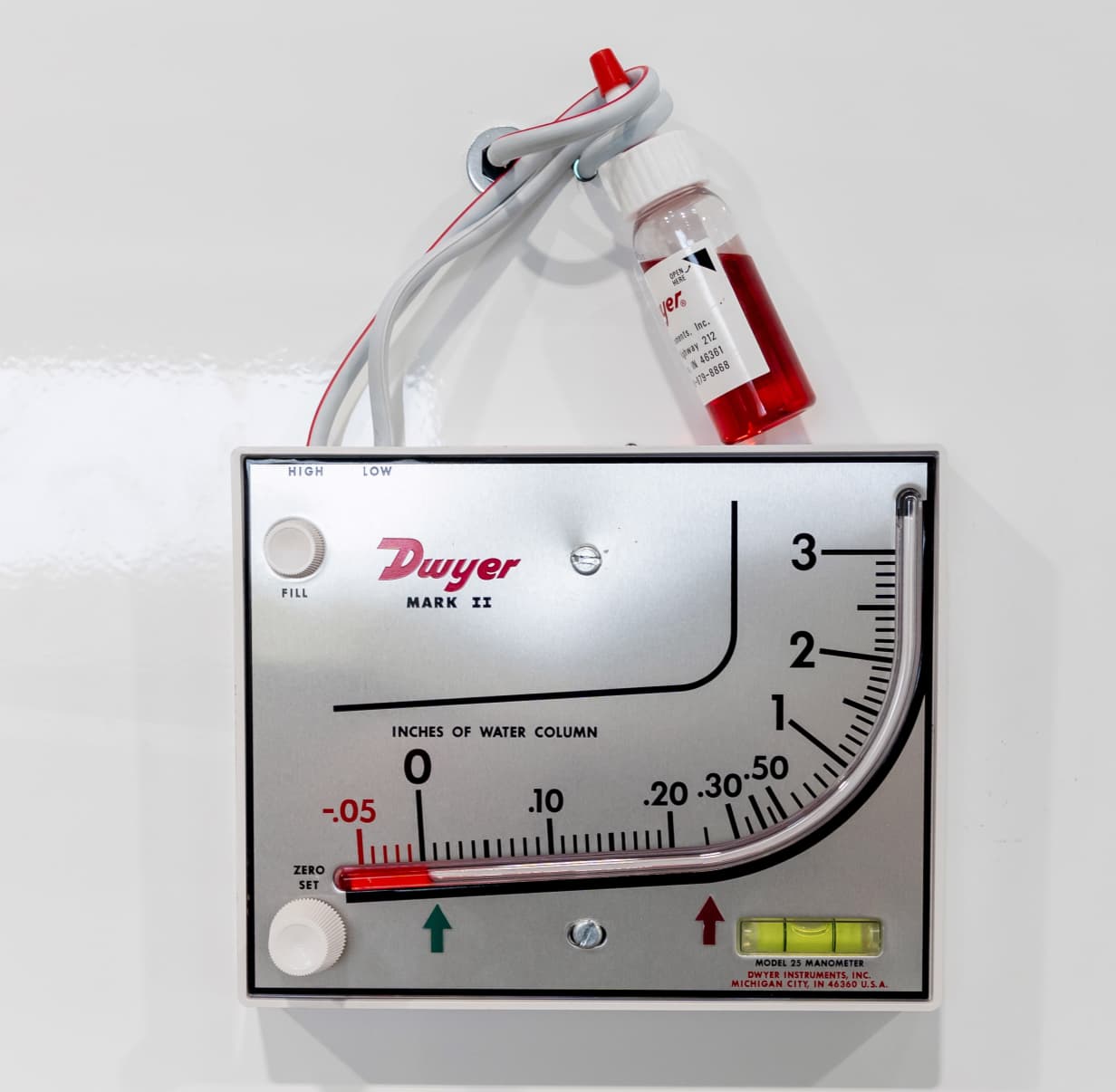
How to Ensure Your Spray Booth Is Operating Correctly and Key Components Monitor
Consistent, high-quality finishing depends on a spray booth that operates within strict performance and safety parameters. Proper airflow, stable temperatures, clean filtration, and reliable ventilation all work together to keep operators safe and finishes predictable. Monitoring
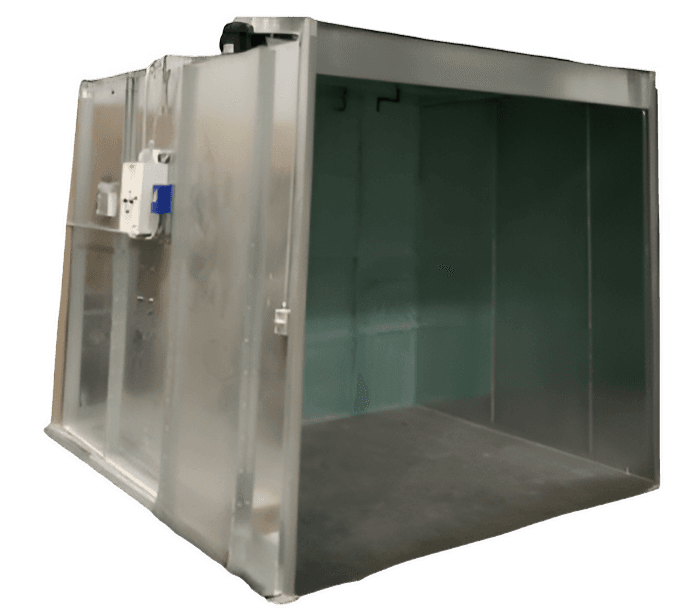
Fine Finishing Starts Here: Picking the Right Spray Booth for Small Parts
When it comes to painting small parts, the right booth setup can make all the difference in finish quality, productivity, and overall efficiency. California Pulse offers multiple booth configurations designed specifically for small-part finishing, with the two most popular option
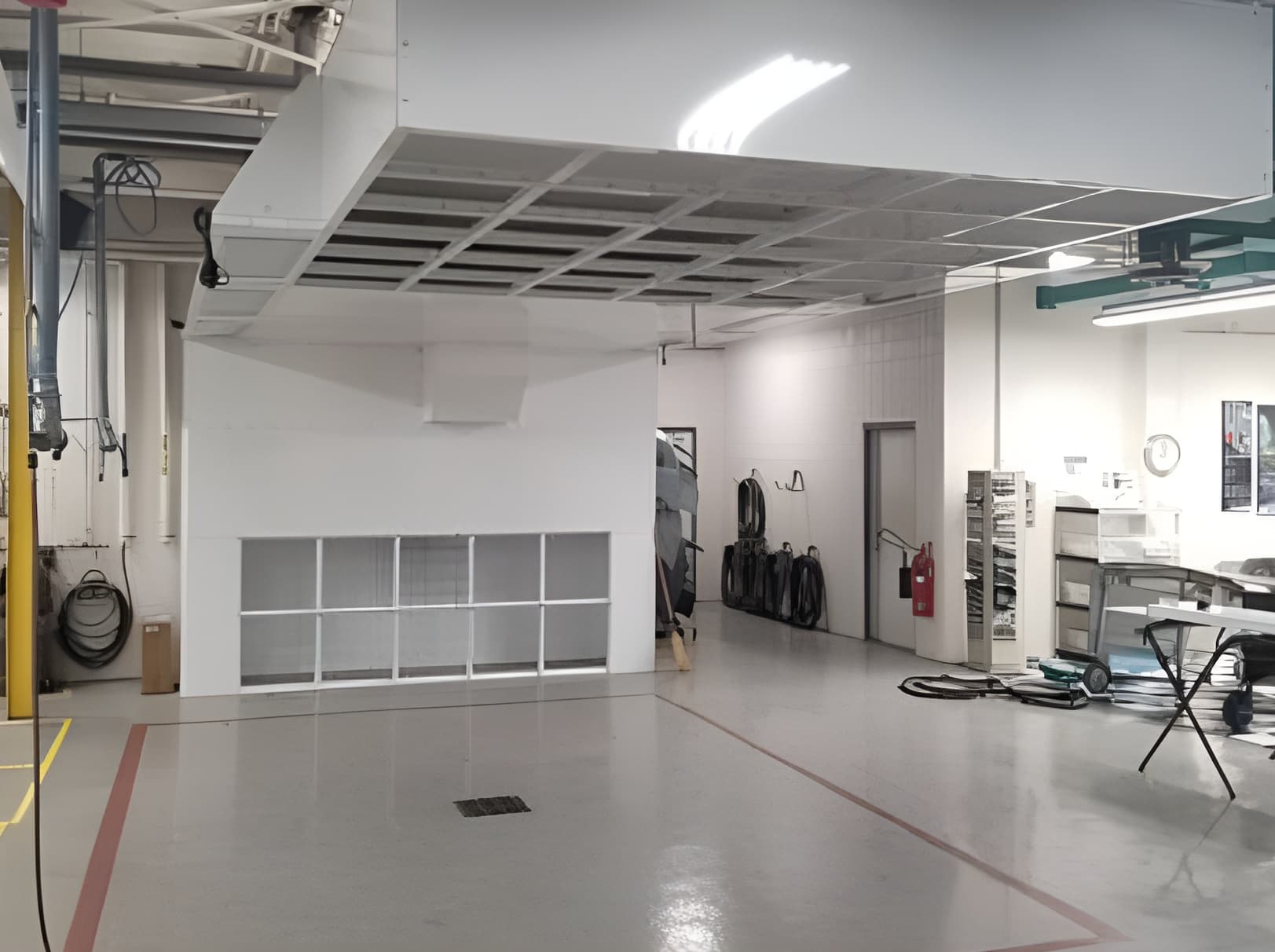
Surface Preparation Basics: How Proper Pretreatment Shapes Finish Quality
Surface preparation is the foundation of any high-quality powder coating or liquid paint process. Before a part ever reaches the spray booth, it must be cleaned, decontaminated, and conditioned to ensure proper adhesion, corrosion resistance, and long-term durability. Without pro
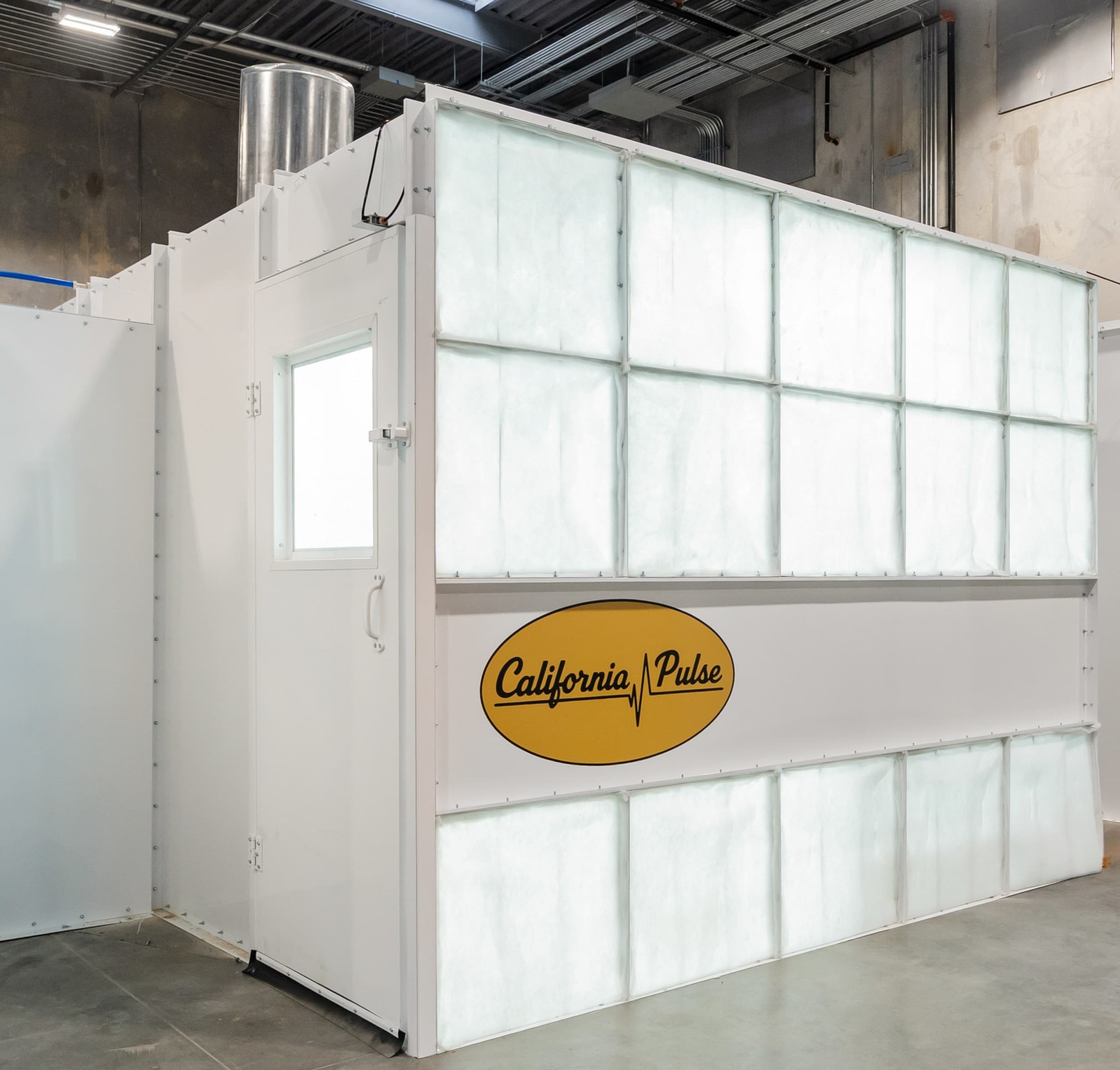
Perfection in Preperation: Why Mixing Rooms Matter in Modern Finishing Systems
A properly designed mixing room is an essential component of any professional paint booth setup. More than just a storage area, it provides a controlled, ventilated, and compliant environment for safely storing and preparing paints, solvents, and coatings. A California Pulse mixi
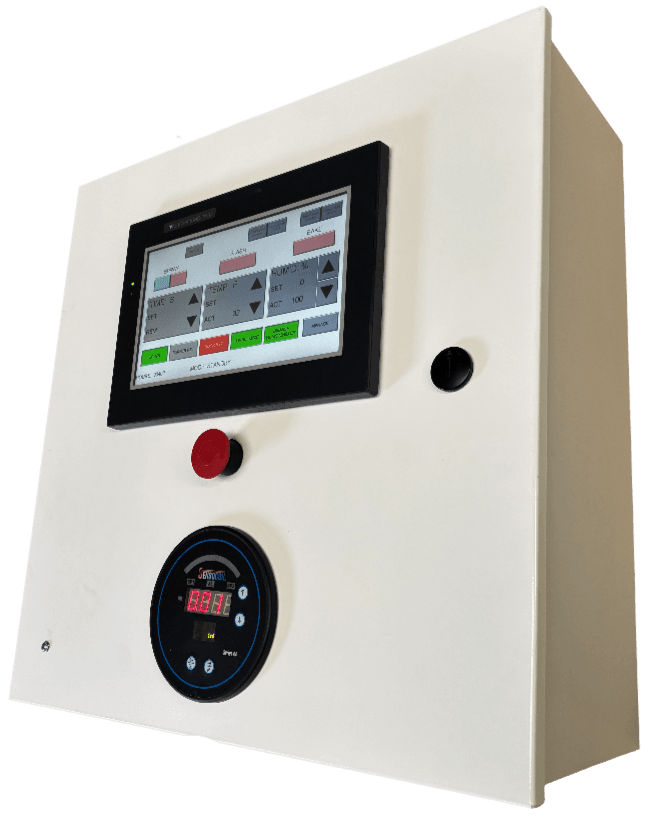
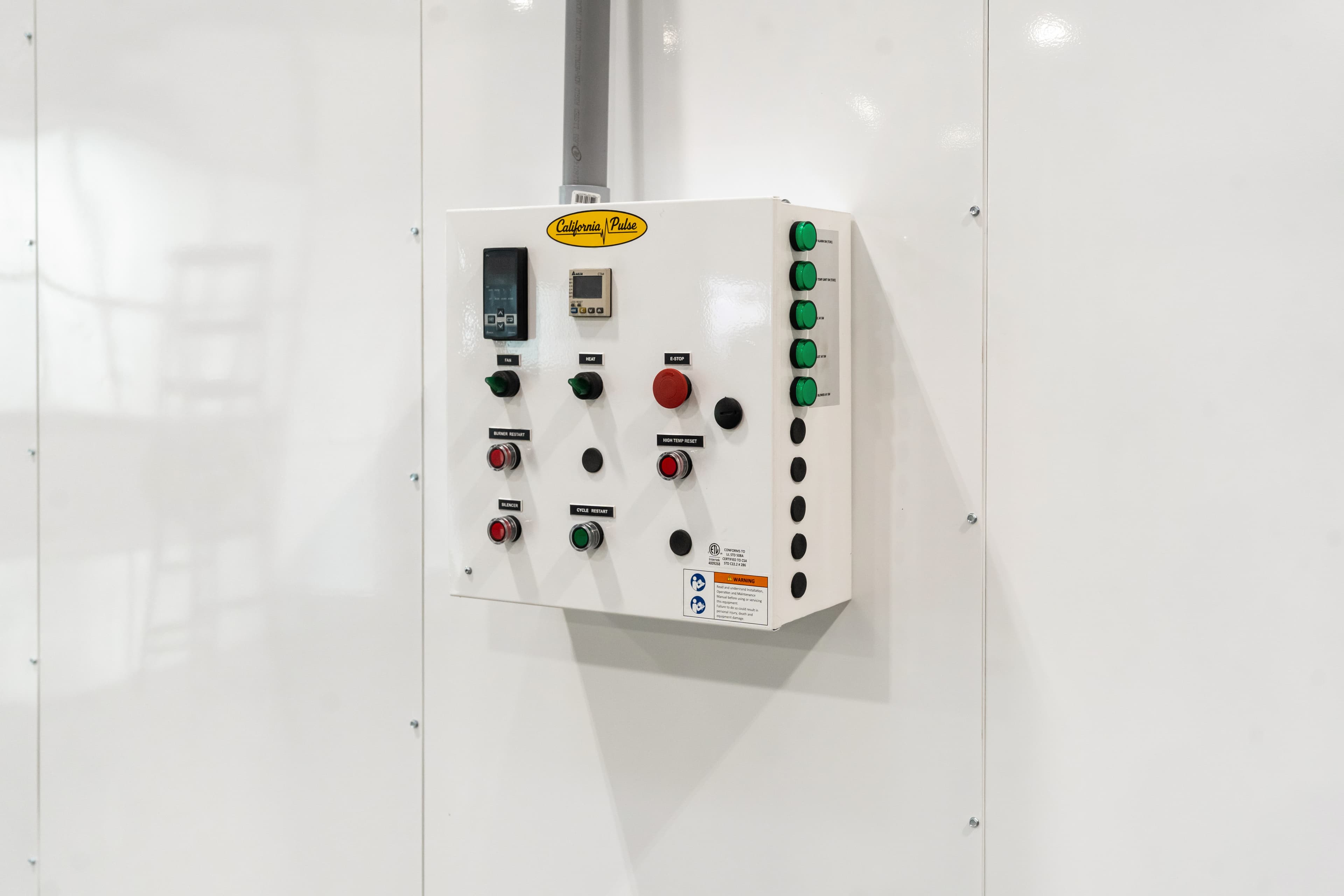
The Role of the Control Panel in Finishing Equipment
In modern finishing systems, the control panel serves as the command center—managing airflow, temperature, lighting, safety systems, and cycle timing. A well-designed control system ensures consistent performance, operator safety, and energy efficiency across every stage of the f
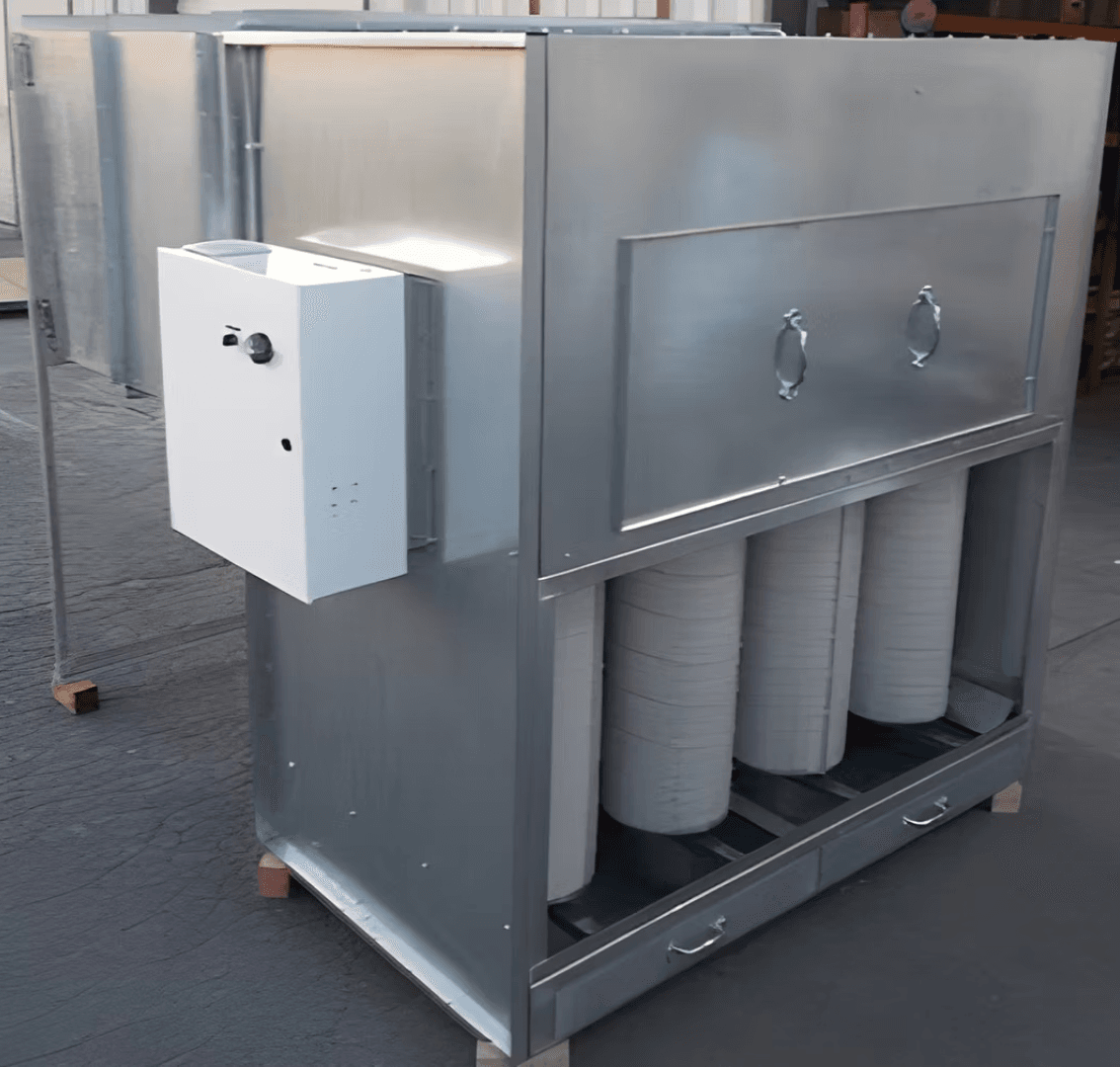
The Hidden Hero of Your Powder Coating System: Why Every Operation Needs a Dust Collector
A properly designed dust collection system is one of the most important and often overlooked components of a powder coating setup. Beyond keeping your facility clean, it ensures superior finish quality, improves safety, and reduces long-term costs. California Pulse dust collector
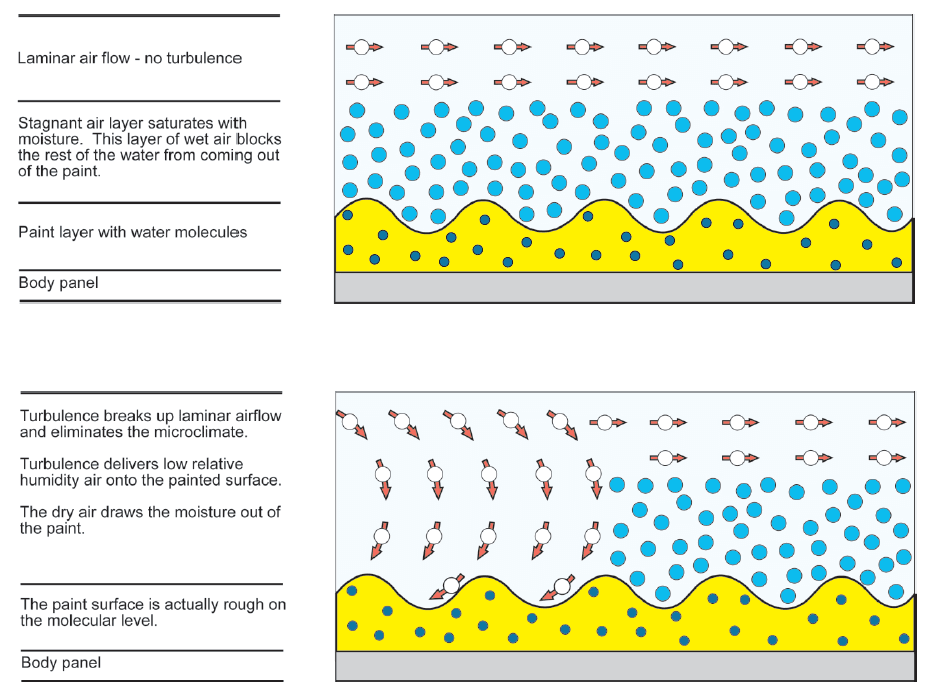
Drying Waterborne Paints: The Science and Technology Behind Focused Directional Turbulent Systems
Waterborne paints boast lower environmental impact through lower VOC emission. Waterborne paint uses water as the primary solvent rather than volatile organic solvents (VOCs). This is the biggest reason environmental rules and regulations are pushing for the use of waterborne pai
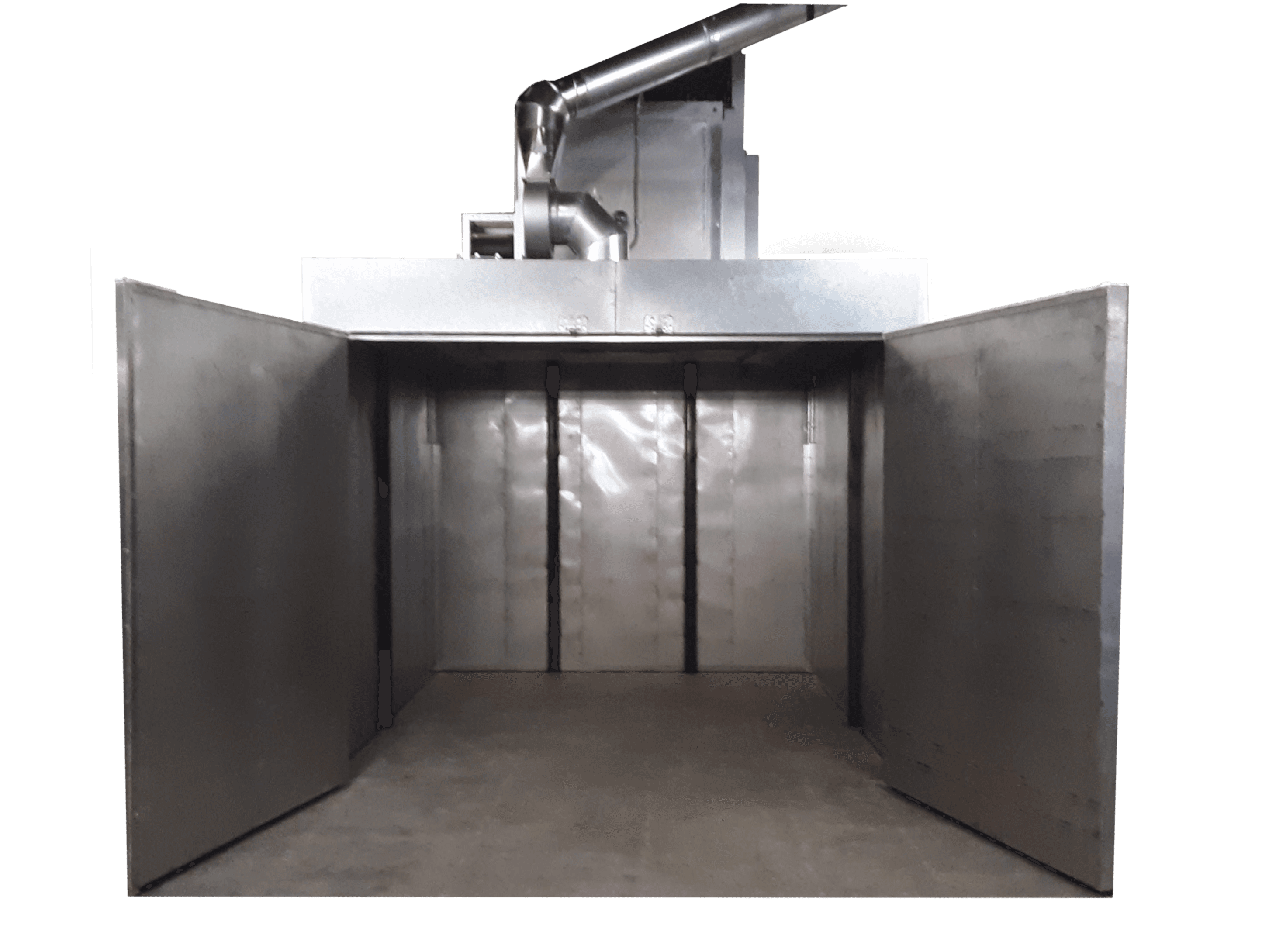
Industrial Powder Coating Ovens: Optimizing Heat, Space, and Efficiency with California Pulse
In the world of industrial finishing, the powder coating oven is where precision meets performance. The quality of your cured finish depends on consistent heat, proper airflow, and reliable equipment design. A well-engineered oven ensures every part exits with a uniform, durable
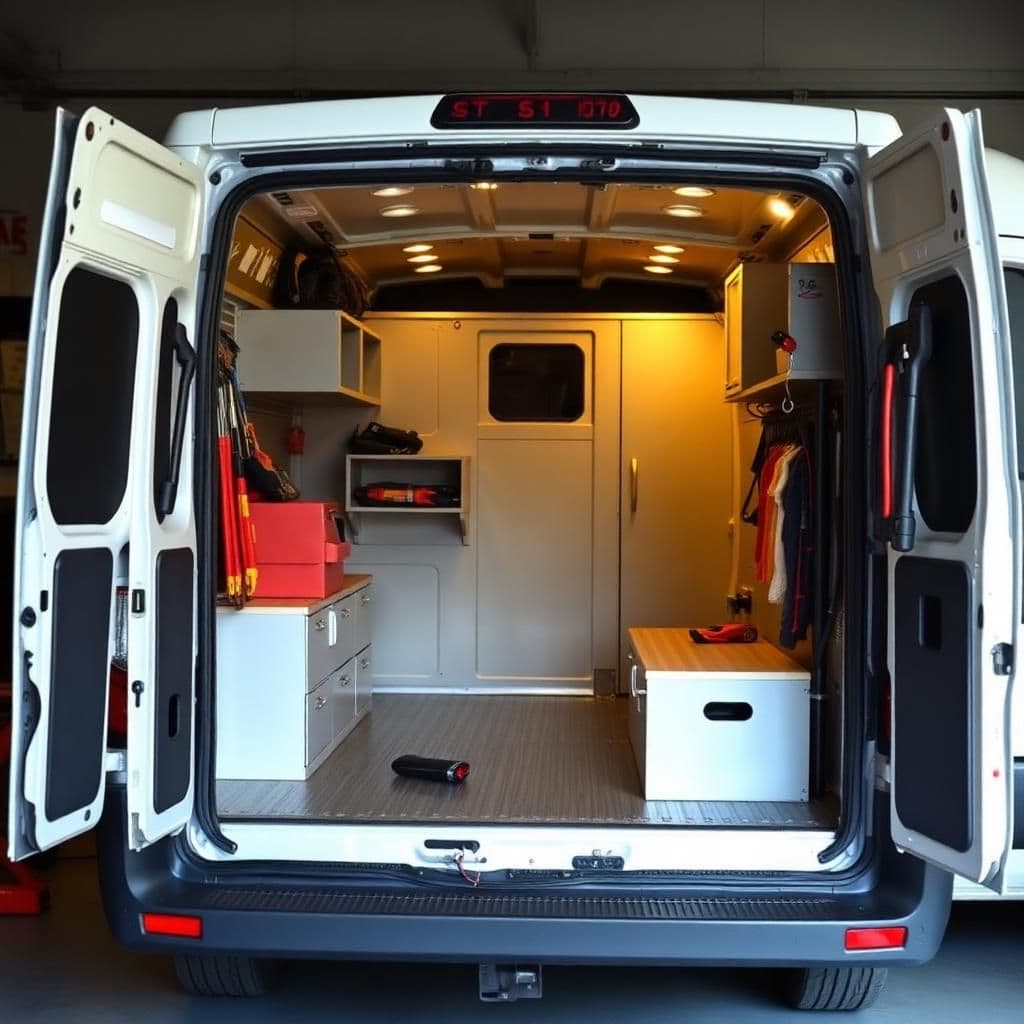
Protect Your Investment: Spray Booth Maintenance Best Practices for Safety & Performance
A well-maintained spray booth isn’t just cleaner — it’s safer, more efficient, and more profitable. Regular cleaning and preventative maintenance protect your investment, extend the lifespan of critical components, and ensure your finishing environment consistently delivers the h

Defining Return on Investment from Finishing Equipment Purchase
Investing in new finishing equipment—such as spray booths, prep stations, or curing systems—is a major decision that impacts both production capacity and profitability. Understanding your Return on Investment (ROI) is key to making a confident purchase that balances cost, perform
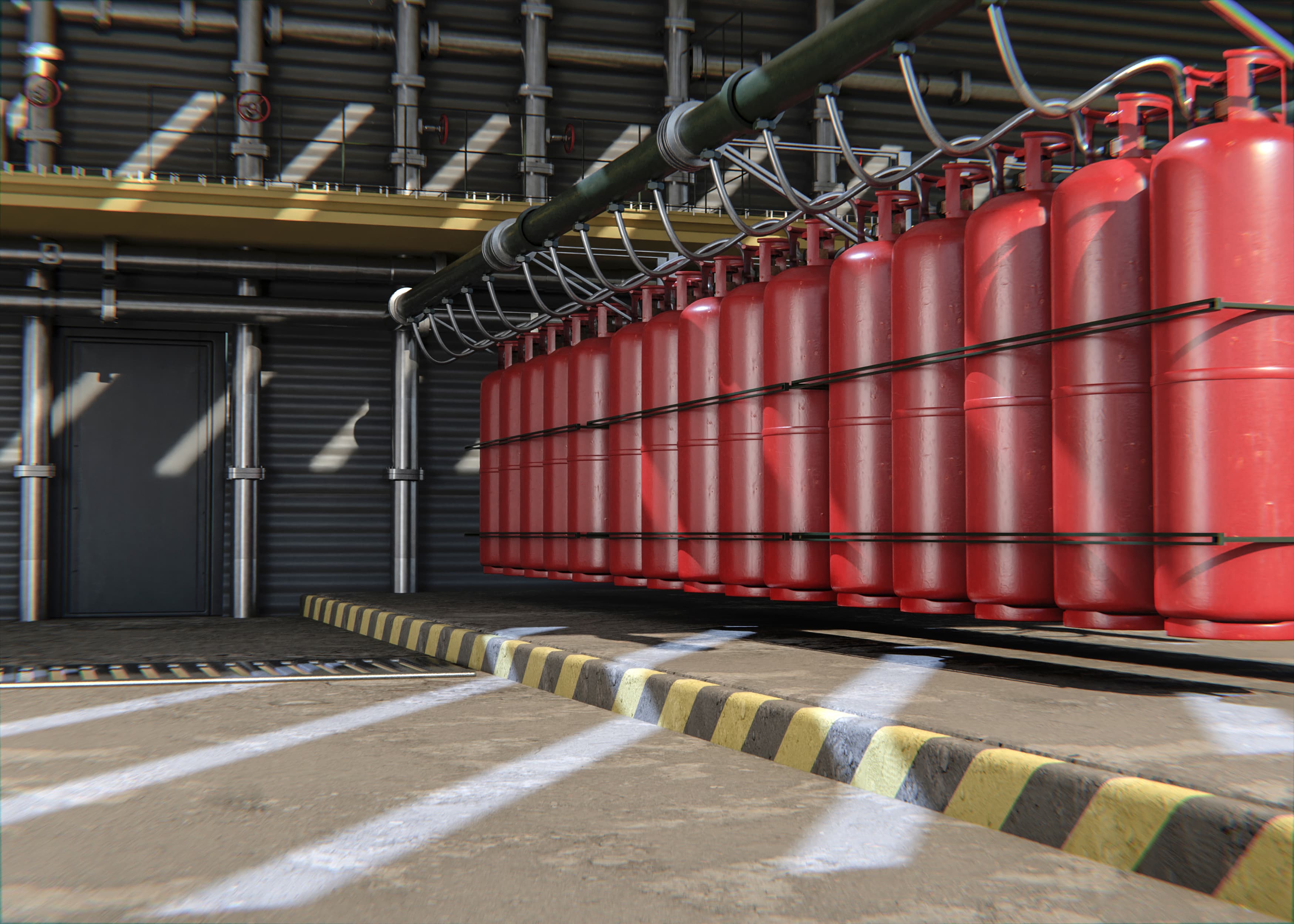
Safeguarding Your Spray Booth: The Critical Role of Fire Suppression in Compliance and Safety
Fire safety is one of the most critical aspects of operating any spray booth or finishing system. With flammable paints, solvents, and vapors present in the work environment, even a small spark can escalate into a major fire. A properly designed and maintained fire suppression sy
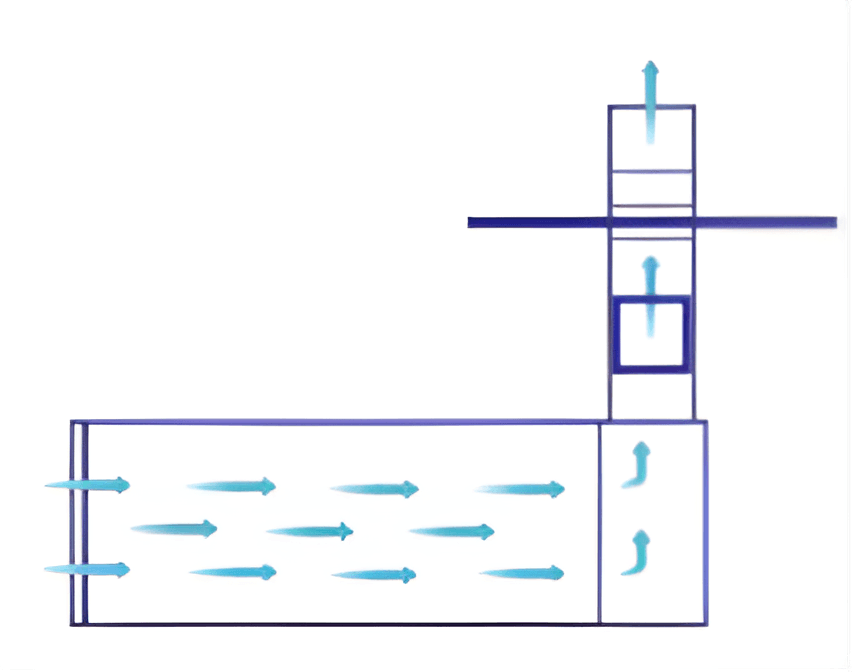
Automotive Spray Booth Airflow Types: Optimizing Air Movement for Superior Finishes
Airflow design is one of the most critical factors in achieving a high-quality paint finish within an automotive spray booth. The direction and pattern of air movement determine how effectively overspray is captured, how clean the environment remains, and how consistently coating

How to Maximize Energy Efficiency in Your Spray System
Energy efficiency plays a crucial role in the overall performance and long-term cost of spray booth operations. As energy prices continue to rise, optimizing your spray system’s airflow, heating, and control design can lead to significant savings without sacrificing finish qualit
NFPA 86 Compliance for Ovens & Furnaces
NFPA 86 — Standard for Ovens and Furnaces — establishes the fire safety and operational requirements for industrial heating equipment, including finishing ovens, curing systems, and thermal processing units. Developed by the National Fire Protection Association, this standard is

Successful Project Management for Finishing Equipment Installations
A successful spray booth or finishing system installation doesn’t happen by accident—it requires careful planning, coordination, and communication from kickoff to commissioning. At California Pulse, we’ve refined a step-by-step project management process to ensure every installat
NFPA 33 Compliance for Spray Paint Booths
NFPA 33 — Standard for Spray Application Using Flammable or Combustible Materials — defines the essential fire safety and operational requirements for spray booths and finishing operations that use paints, coatings, or other flammable materials. This national standard, establishe
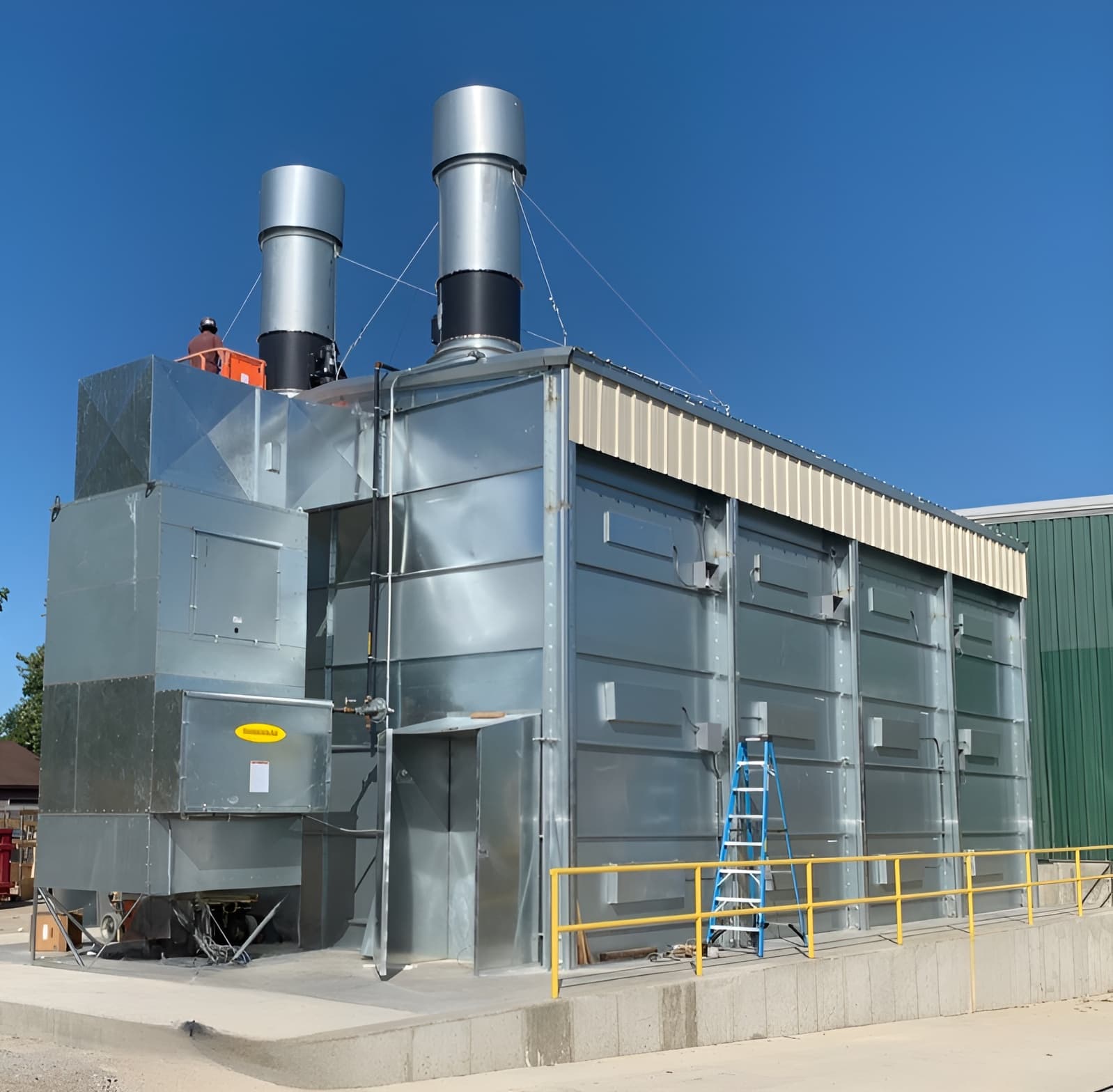
Spray Booth Climate Control for Precise Temperature & Humidity
Consistent environmental conditions are critical to achieving flawless finishes in any spray painting or coating operation. Even small fluctuations in temperature or humidity can negatively impact paint adhesion, curing times, and overall quality. California Pulse offers state-of