How to Tell if Finishing Process Issues Are Operator, Material, or Environment Related
February 18, 2026
Inconsistent coating results are one of the most frustrating challenges in industrial finishing. When defects appear or production performance drops, teams often look first at operators or coating materials as the source of the problem. In reality, many finishing issues originate
Inconsistent coating results are one of the most frustrating challenges in industrial finishing. When defects appear or production performance drops, teams often look first at operators or coating materials as the source of the problem. In reality, many finishing issues originate from environmental or process conditions that are not immediately visible.
Understanding whether problems are caused by operators, materials, or the finishing environment is critical to solving issues efficiently and preventing repeated rework. Identifying the true root cause allows manufacturers to improve quality, stabilize production, and maintain consistent coating performance.
Why Correctly Diagnosing Process Issues Matters
Misdiagnosing coating problems can lead to unnecessary adjustments, wasted materials, and ongoing production disruptions. Changes made without identifying the root cause often mask symptoms rather than solve the underlying issue.
Proper diagnosis helps manufacturers:
- Reduce rework and scrap
- Improve finish consistency
- Maintain coating specifications
- Increase production efficiency
- Prevent recurring quality problems
A structured approach to troubleshooting ensures engineering teams focus their efforts where they will have the greatest impact.
When Issues Are Operator Related
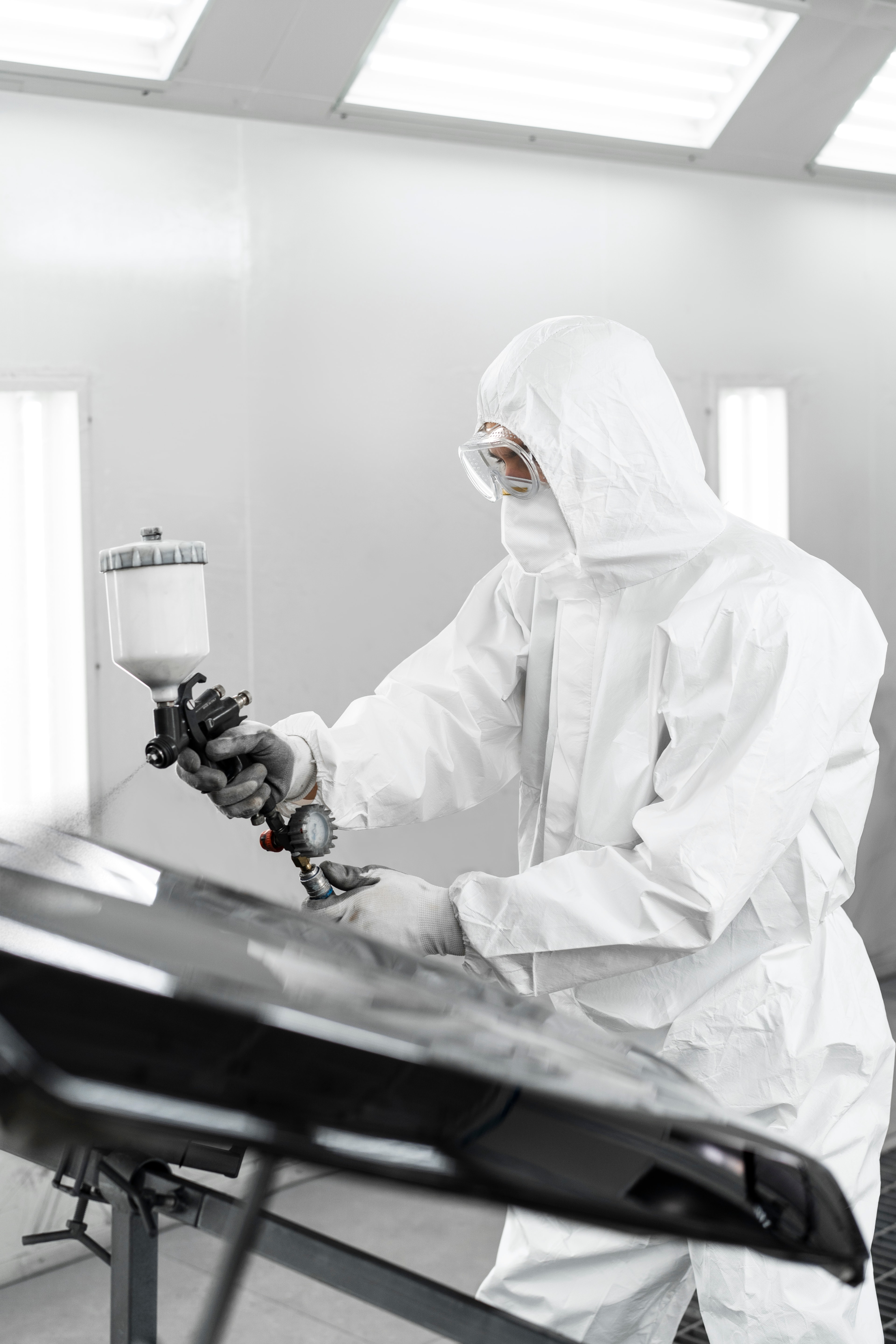
Operator-related problems typically appear as inconsistent results between shifts or personnel. Variations in spray technique, equipment setup, or handling procedures can directly affect coating performance.
Common operator indicators include:
- Differences in finish quality between operators
- Inconsistent film thickness
- Uneven spray patterns
- Improper gun distance or overlap
- Handling contamination after surface preparation
Operator issues are often procedural rather than skill-based. Clear work instructions, standardized training, and repeatable workflows usually resolve these challenges quickly.
When Materials Are the Root Cause
Coating materials and substrates introduce their own variables into the finishing process. Even small changes in material formulation, storage conditions, or surface condition can affect results.
Material-related problems often include:
- Adhesion failures despite proper application
- Unexpected curing behavior
- Surface defects appearing across all operators
- Batch-to-batch performance variation
- Contamination from oils or protective coatings
Reviewing supplier specifications, storage conditions, and pretreatment processes can help determine whether materials are contributing to inconsistencies.
When the Environment Is Causing the Problem
Environmental factors are frequently overlooked because they operate in the background of daily production. Airflow patterns, temperature variation, and contamination within the finishing space can significantly impact coating performance.
Signs of environment-related issues include:
- Consistent defects regardless of operator
- Overspray settling on finished parts
- Uneven curing across large components
- Dust or debris appearing in coatings
- Quality issues worsening during certain seasons or production loads
Poor airflow design, inadequate ventilation, or temperature imbalance can create conditions where even properly applied coatings fail to perform as expected.
Key Environmental Factors That Affect Finishing Results
Several environmental variables directly influence coating outcomes:
- Airflow and ventilation control overspray removal and contamination levels. Turbulent or insufficient airflow can cause defects and inconsistent finishes.
- Temperature consistency impacts coating flow, flash-off, and curing performance. Variations across a booth or oven often lead to uneven results.
- Humidity and contamination affect adhesion and surface appearance, particularly in high-precision finishing applications.
Because these factors are less visible than operator actions, they are often discovered only after extensive troubleshooting.
A Practical Approach to Troubleshooting
Engineering teams can narrow down root causes by isolating variables systematically.
A simple diagnostic approach includes:
- Compare results across multiple operators.
- Verify material batches and application specifications.
- Measure environmental conditions such as airflow and temperature.
- Review process documentation and recent production changes.
- Evaluate whether issues remain consistent regardless of personnel or materials.
If problems persist across operators and materials, the finishing environment is often the primary contributor.

Why Finishing Environments Play a Larger Role Than Expected
Modern coatings are engineered to perform within specific process windows. When airflow, temperature, or contamination levels fall outside those parameters, even experienced operators using high-quality materials may struggle to achieve consistent results.
Well-designed finishing environments reduce variability by controlling the factors that operators cannot influence directly. Stabilizing these conditions allows processes to become more predictable and repeatable.
Turning Process Insight Into Consistent Performance
Identifying whether issues stem from operators, materials, or environmental conditions is the first step toward improving finishing performance. By focusing on root causes instead of symptoms, manufacturers can reduce downtime, improve quality metrics, and create more stable production processes.
Consistent finishes are rarely the result of a single improvement — they come from aligning people, materials, and environment into a controlled, repeatable system.
Why Choose California Pulse for Engineered Finishing Solutions
Solving coating challenges often requires more than equipment adjustments. Airflow engineering, temperature control, and process-driven design all play a role in achieving reliable results.
California Pulse works with manufacturers to design finishing environments tailored to their specific processes, helping teams reduce variability, improve quality, and support long-term production consistency.