Woodworking Booths for Furniture, Cabinets & Industrial Wood Finishing
The quality of your finish depends on the environment where it's applied. Whether you make custom cabinetry, architectural millwork, hardwood furniture, doors, windows, or commercial wood products, your finishing process directly affects product quality, efficiency, and profitability.
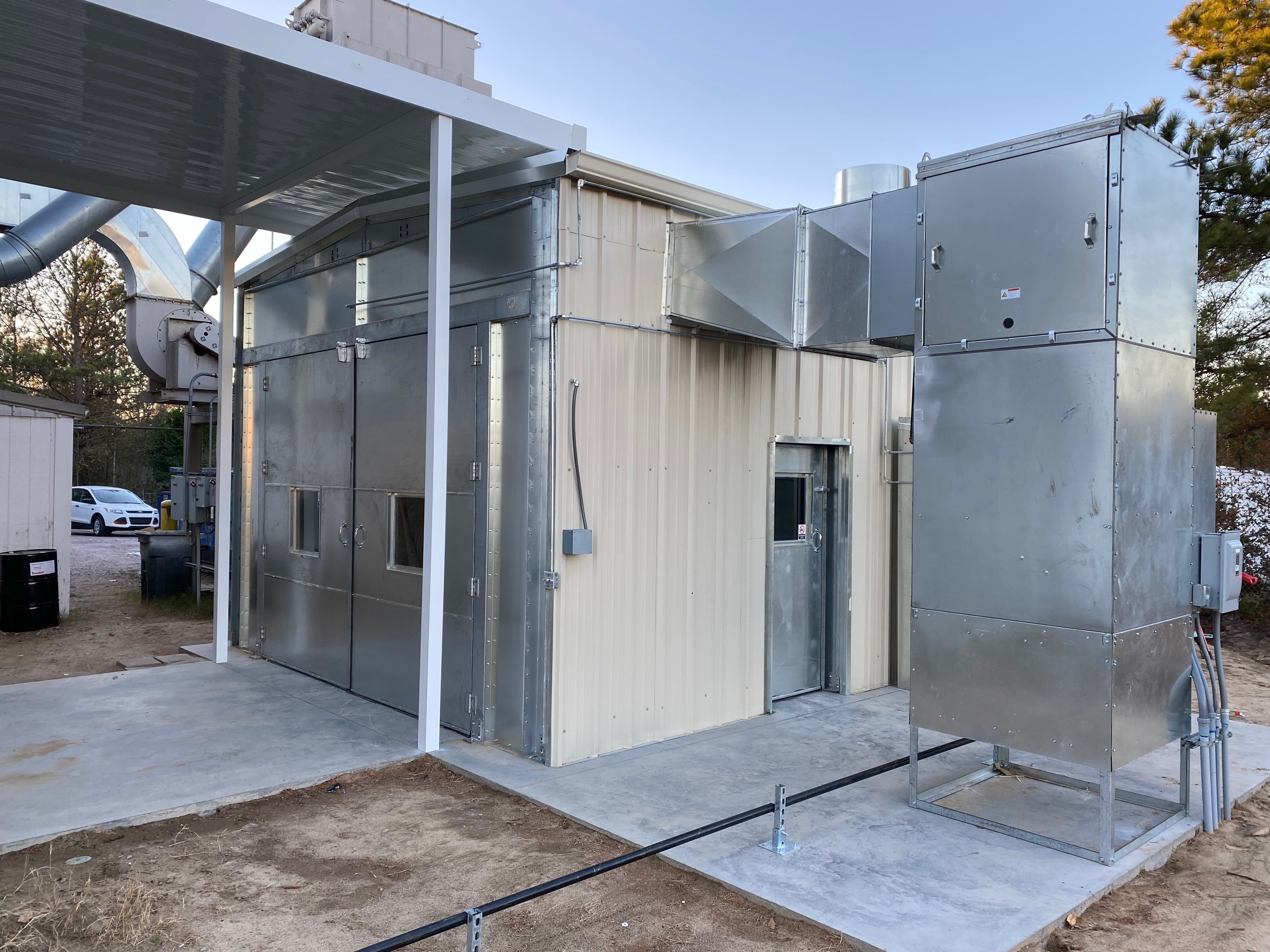
A professionally engineered woodworking booth provides a clean, controlled environment that reduces dust contamination, captures overspray, and maintains consistent airflow for repeatable, high-quality finishes. Without it, even exceptional craftsmanship can be undermined by defects that require costly rework.
As demand grows, manufacturers are replacing makeshift spray areas with purpose-built booths and automated finishing systems that improve quality, increase throughput, and support safer, more efficient operations.
Time to Modernize Your Woodworking Finishing System?
Contact us to discover how our expertise can support your next project.
Why Wood Finishing Requires Specialized Equipment
Wood finishing presents unique challenges compared to finishing metal, plastic, or composite materials. Wood varies in grain, density, and moisture content, while machining operations generate fine dust that can settle on wet coatings and create visible defects. Specialized woodworking booths help isolate finishing operations and provide the controlled environment needed for consistent results.
Dust Control
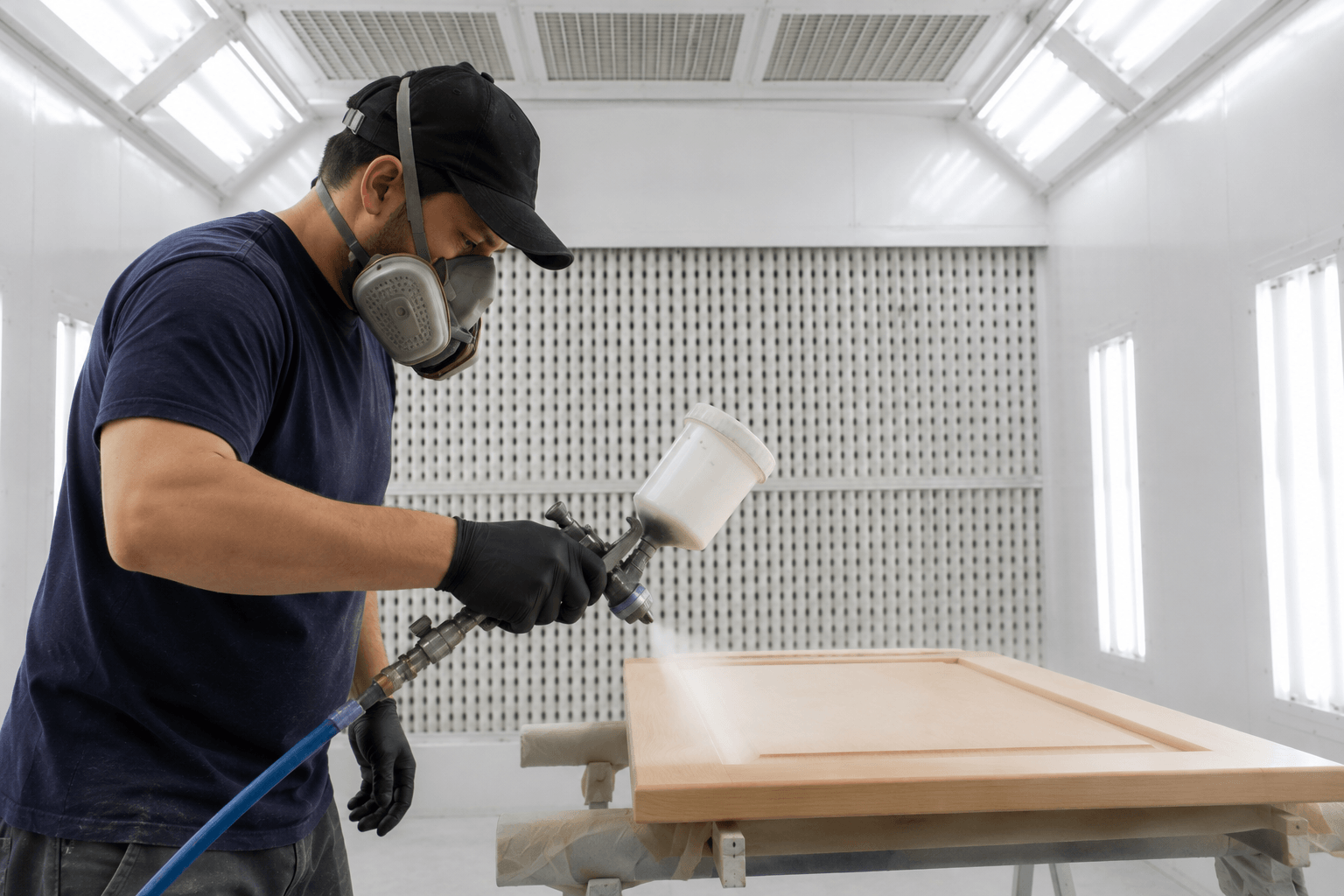
Airborne dust from cutting, routing, sanding, and machining is a leading cause of finish defects. A properly engineered booth reduces contamination by supplying clean, filtered air, capturing overspray, maintaining consistent airflow, and separating finishing from dust-producing operations.
Controlled Airflow
Balanced airflow is essential for finish quality. Too little allows overspray to build up, while too much causes dry spray and uneven coating. Engineered booths maintain consistent airflow for reliable, high-quality results.
Multiple Coating Types
Wood manufacturers commonly apply oil-based stains, waterborne coatings, lacquers, conversion varnishes, polyurethanes, primers, sealers, and UV-curable coatings. A properly designed system supports them all while maintaining consistent application and drying conditions.
Worker Safety
Many wood finishes produce airborne particulates or solvent vapors that require proper ventilation. Purpose-built booths improve workplace safety by controlling overspray, removing airborne contaminants, and providing ventilation designed for finishing applications.
Higher Production Efficiency
A controlled environment helps manufacturers reduce rework, improve first-pass quality, increase consistency, lower material waste, and boost throughput. By minimizing defects and rework, booths reduce operating costs while improving overall efficiency.
Why Finish Quality Matters
For woodworking manufacturers, finishing is the final step that enhances appearance, protects the product, and reflects overall craftsmanship. It is also one of the leading causes of defects, rework, and production delays when environmental conditions are not properly controlled.
Common finishing problems include dust contamination, orange peel, dry spray, runs and sags, uneven stain absorption, inconsistent sheen, overspray, and uneven drying. In many cases, these issues are caused by poor airflow and contamination rather than the coating itself.
A professionally engineered woodworking finishing booth controls airflow, filtration, ventilation, lighting, temperature, humidity, and overspray to create a clean, consistent finishing environment. The result is higher-quality finishes, fewer defects, reduced rework, and improved production efficiency.
Types of Woodworking Spray Booths
Choosing the right woodworking spray booth depends on your production volume, available space, coating type, and workflow. Each airflow design offers distinct advantages, and the best solution is one engineered for your specific finishing process.
- Open-Face Woodworking Booths
- Full Downdraft Booths
- Side Downdraft Booths
- Crossdraft Woodworking Booths
- Semi-Downdraft Booths
Woodworking Spray Booths
Open-Face Woodworking Booths
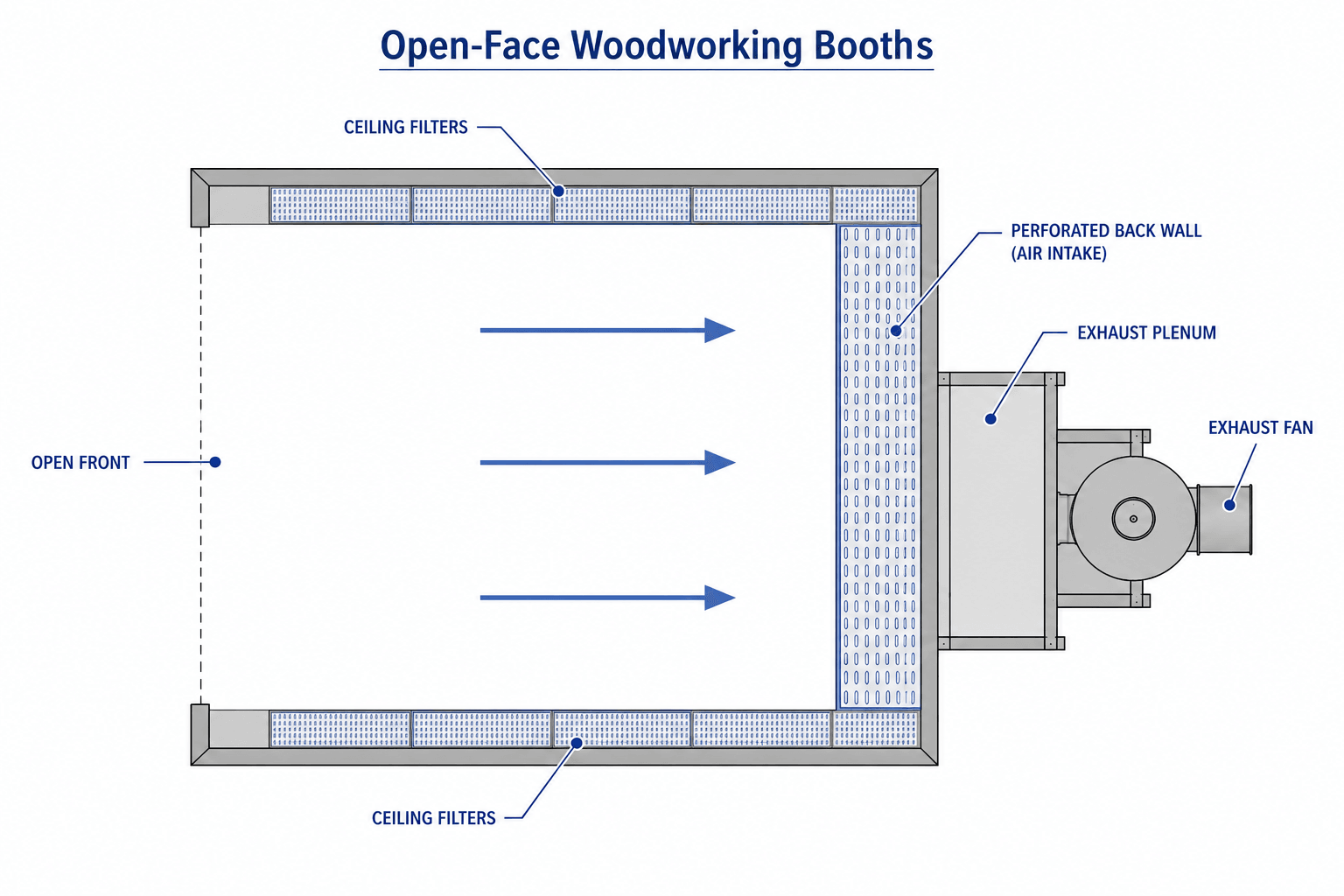
Open-face booths feature an open front with exhaust fans that pull air through the work area into a filtered exhaust plenum. They are a cost-effective solution that offers easy loading and unloading, excellent visibility, flexible work space for various product sizes, and simple installation. Their open design makes them especially popular for cabinet shops, furniture manufacturers, millwork operations, and custom woodworking with low-to-medium production volumes.
Full Downdraft Booths
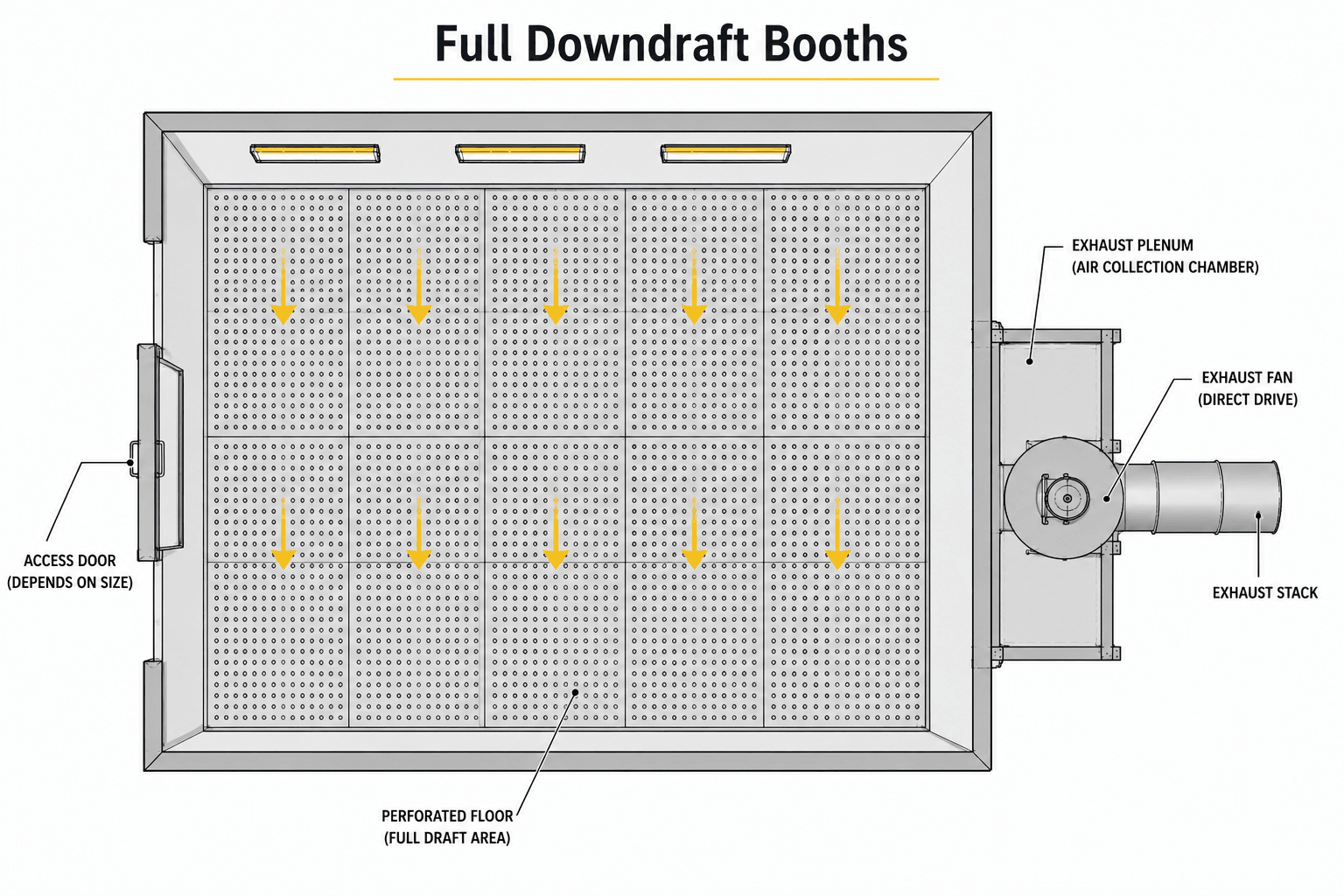
Full downdraft booths deliver filtered air uniformly from the ceiling and exhaust it through floor-level grating or pits. This vertical airflow provides maximum overspray removal, superior finish quality, minimal dust contamination, and a cleaner environment for both the product and operator. As a result, full downdraft booths are often the preferred choice for manufacturers producing high-value products where consistent, premium-quality finishes are essential.
Side Downdraft Booths
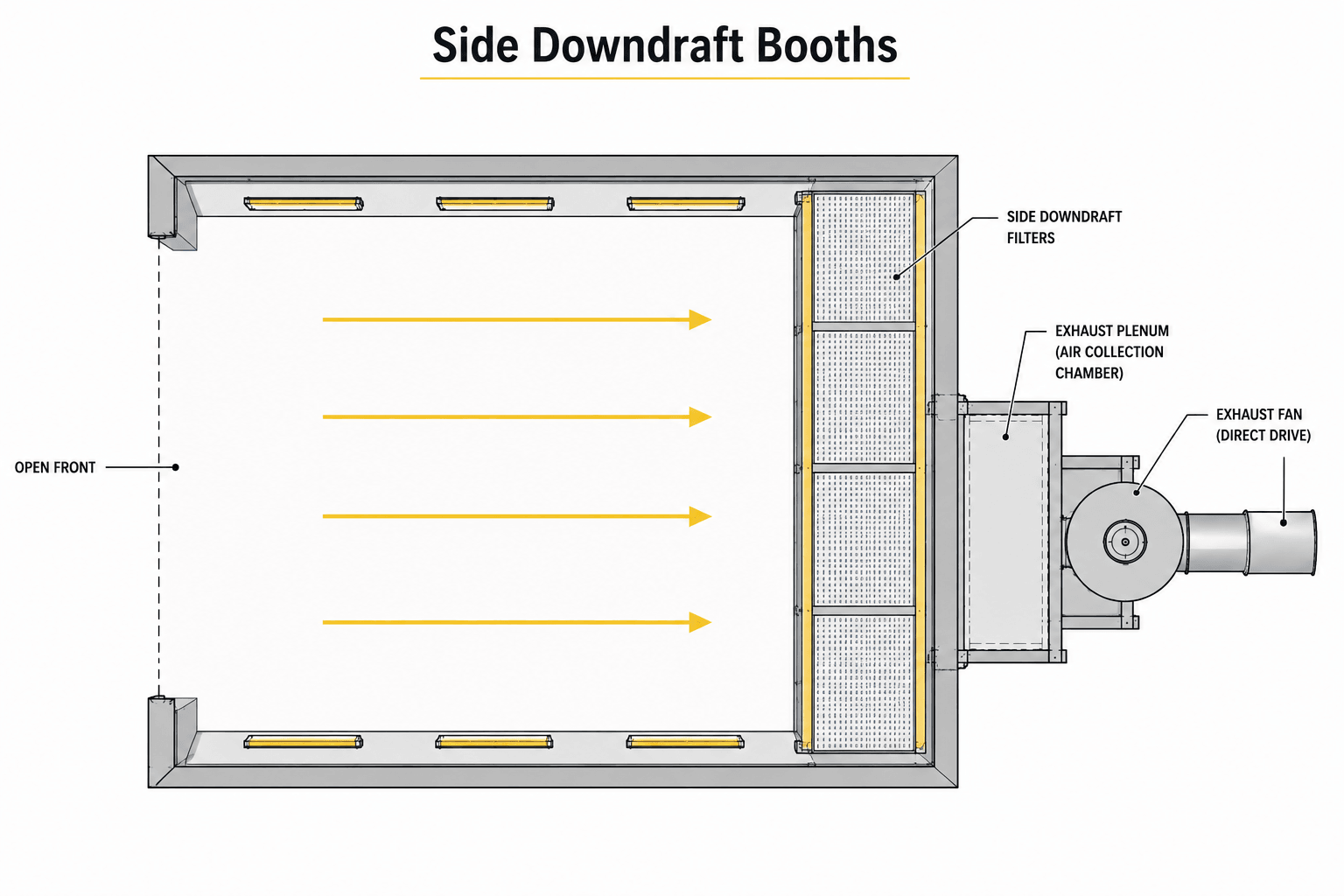
Side downdraft booths direct filtered air downward toward exhaust plenums located along both sidewalls, capturing overspray closer to where it is generated. This design improves finish consistency, enhances operator visibility, and creates a cleaner working environment without requiring the floor pit typically associated with full downdraft systems.
Crossdraft Woodworking Booths
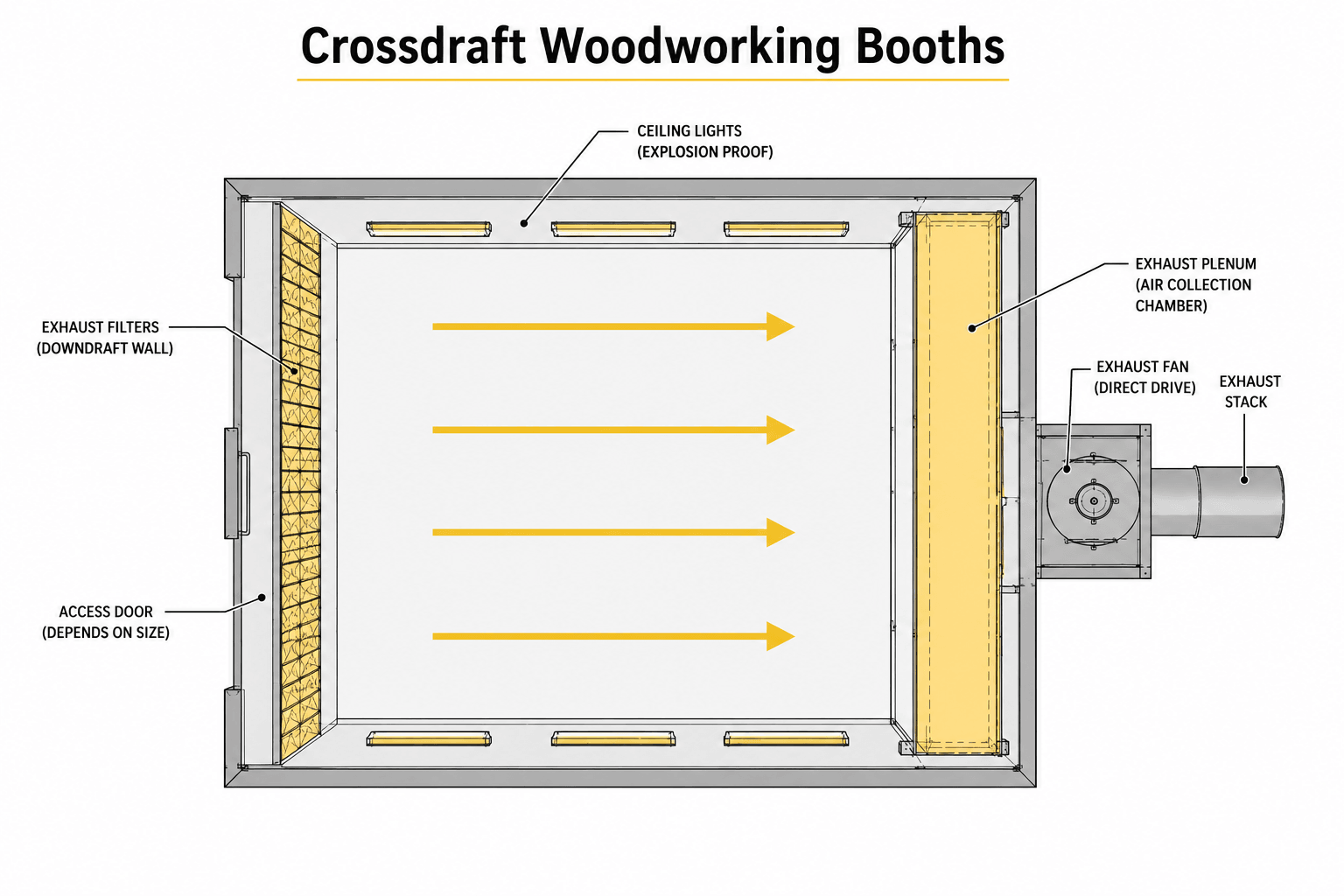
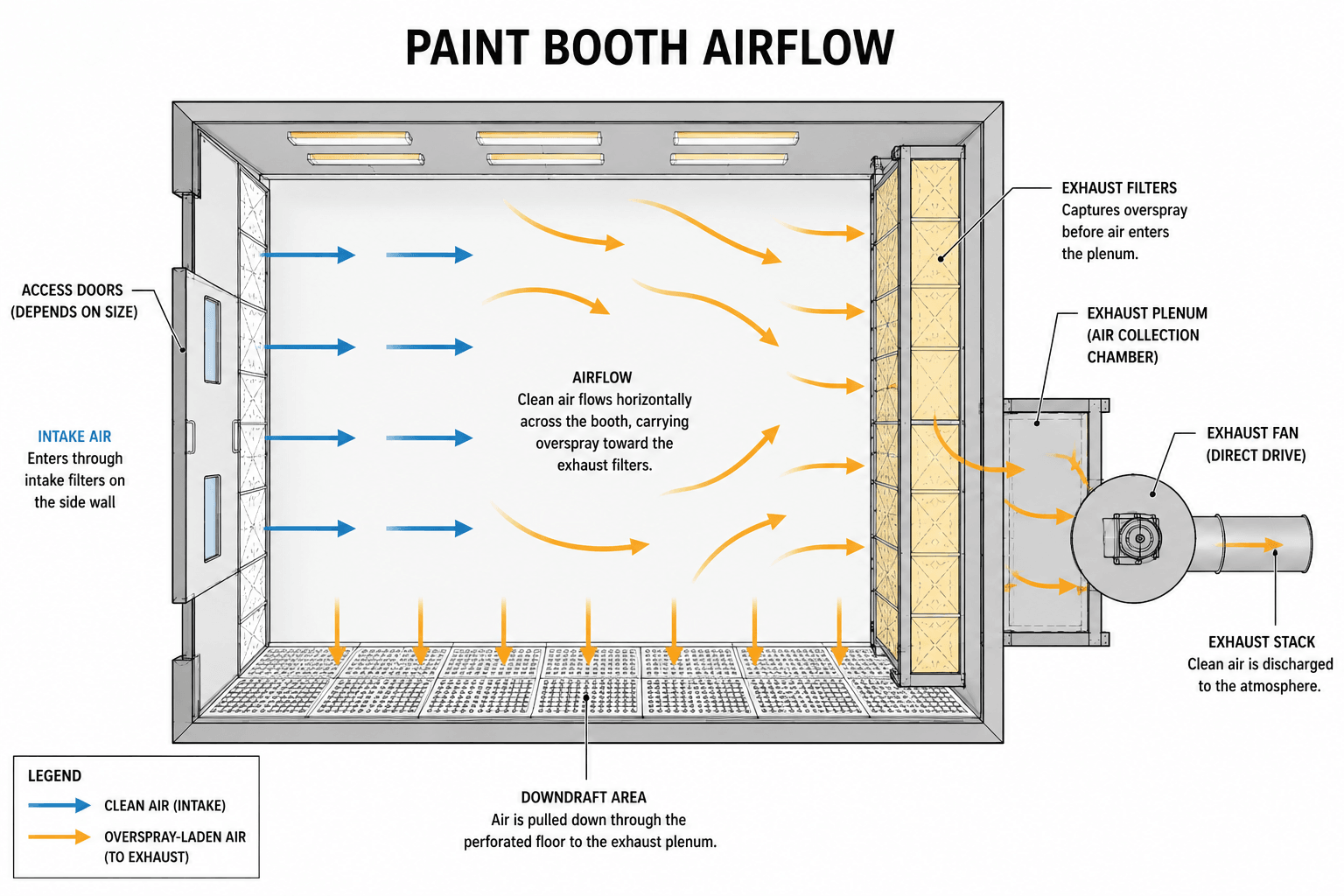
Crossdraft booths move filtered air horizontally across the booth toward the exhaust filters. Their straightforward airflow design makes them affordable, easy to install, and simple to maintain while providing reliable overspray capture for many woodworking applications. Because airflow travels across the operator before exiting the booth, they are best suited for general finishing applications where maximum contamination control is not required.
Semi-Downdraft Booths
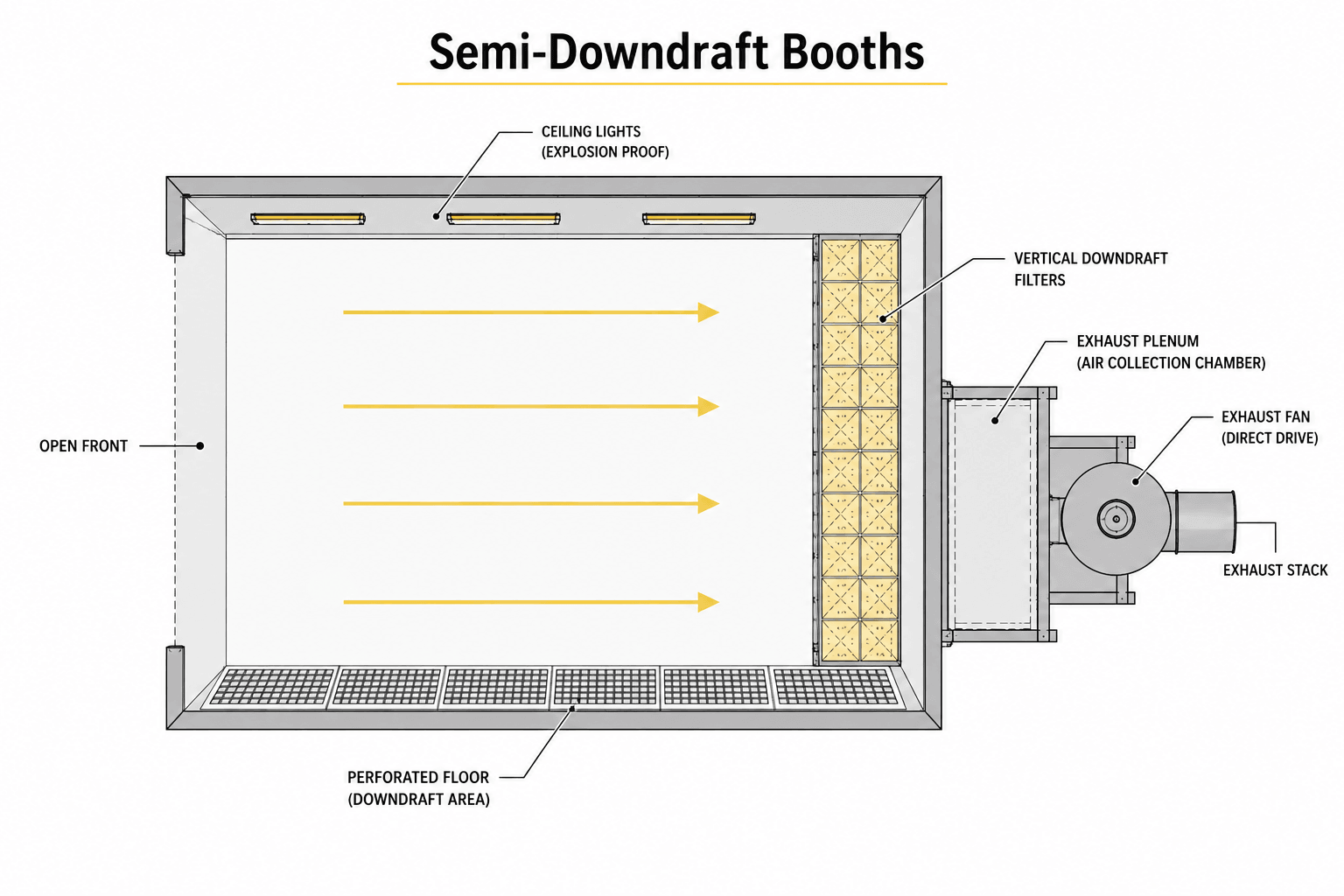
Semi-downdraft booths introduce filtered air through the front portion of the ceiling and exhaust it near the rear floor area. This angled airflow pattern improves overspray removal and reduces contamination around freshly coated parts, resulting in more consistent coating application. Semi-downdraft systems provide an excellent balance between performance and cost for many woodworking manufacturers.
Which Airflow Design Is Best?
There's no one-size-fits-all solution. The ideal woodworking spray booth depends on your production volume, available space, coating process, product size, and long-term goals.
High-volume manufacturers often benefit from enclosed or downdraft booths for greater environmental control, while custom and lower-volume shops may prefer practical, cost-effective open-face booths. Coating type and facility layout matter too. A custom-engineered booth maximizes floor space while maintaining proper airflow, operator access, and efficiency, with room to plan for future growth.
Why Custom Wood Finishing Booths Are Worth the Investment
No two woodworking facilities operate the same way. Differences in product size, volume, floor space, coatings, and material handling mean a standard booth rarely delivers the most efficient solution.
FAQ
Frequently Asked Questions
What is a woodworking booth?
What is the difference between a woodworking booth and a standard paint booth?
What types of finishes can be applied in a woodworking spray booth?
Why is dust control so important when finishing wood?
What is the best airflow design for a woodworking booth?
Equipment
Related equipment
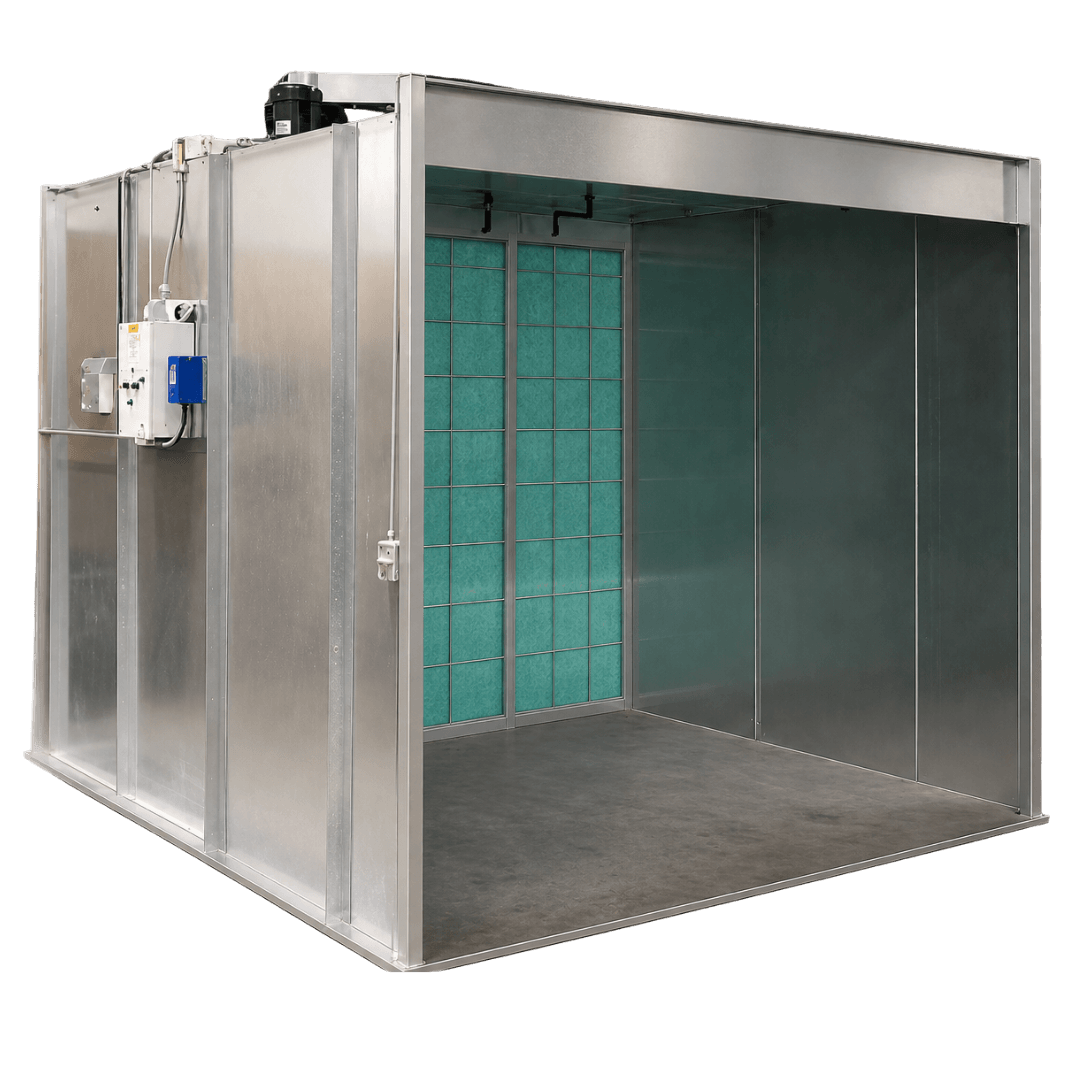 Open face spray boothsOpen-front booths with filtered exhaust, for easy part access and lower installed cost.
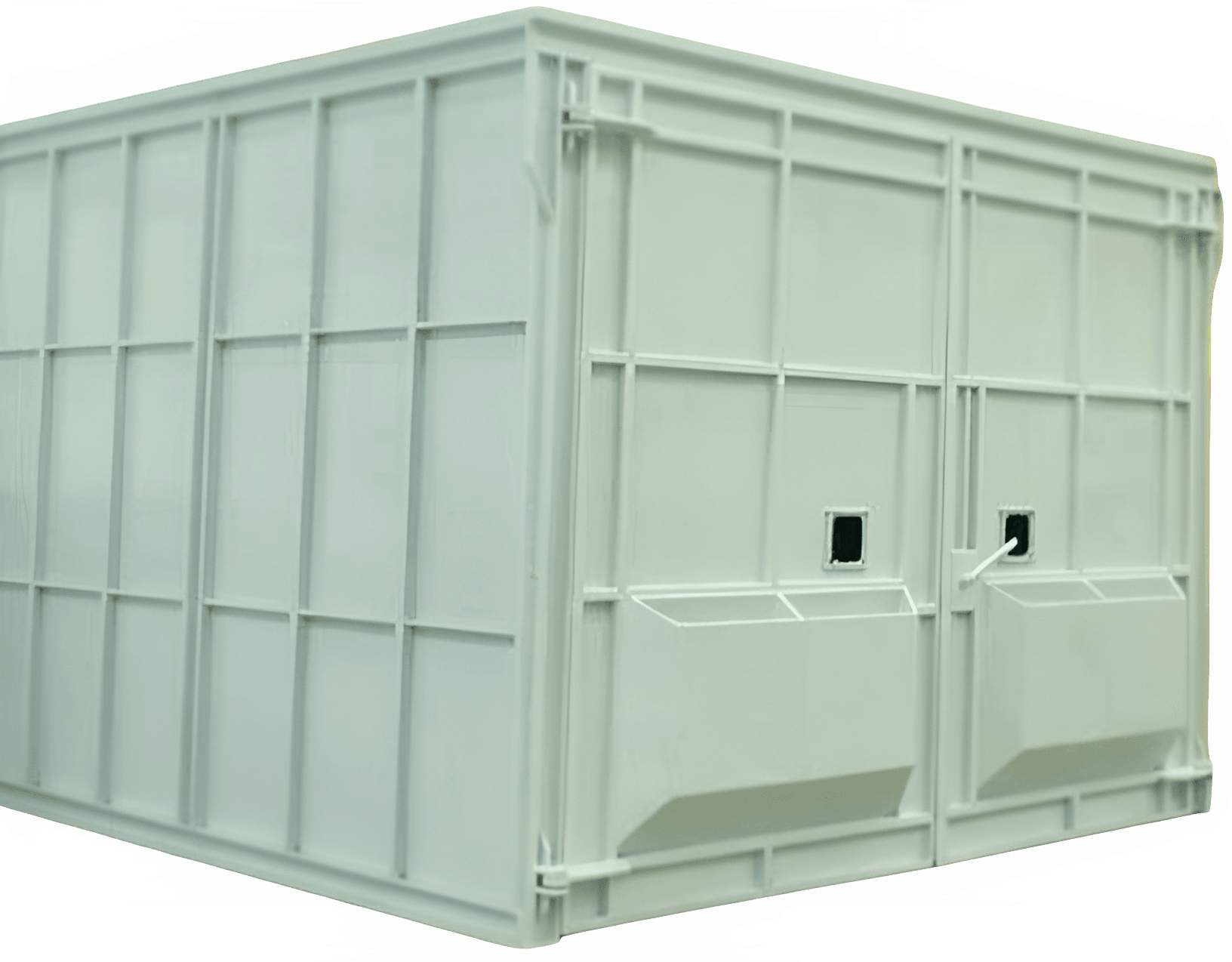 Sanding and blast boothsDust-controlled enclosures for surface preparation ahead of coating.
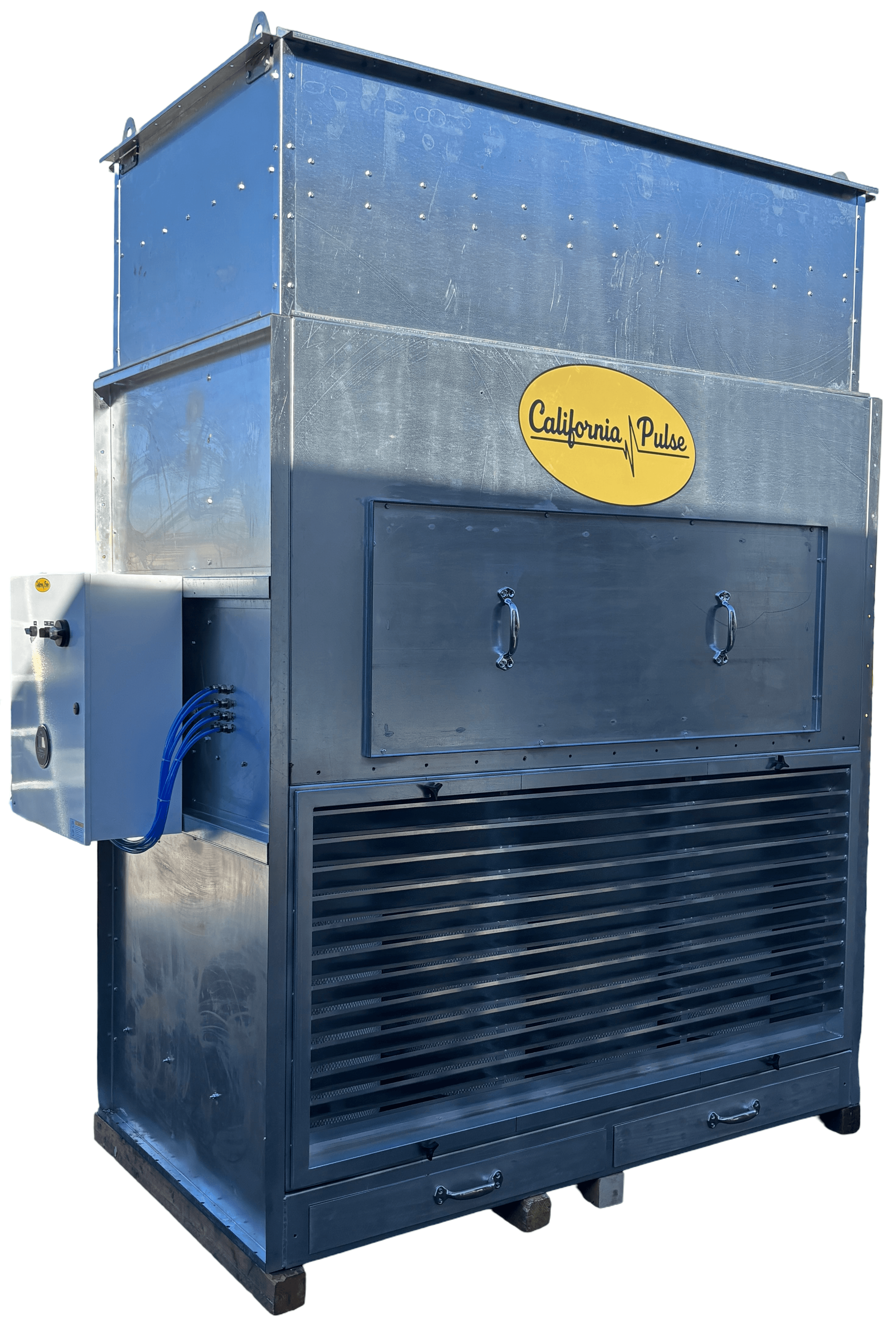 Dust collectorsCartridge and baghouse collection for sanding, blasting, and powder.
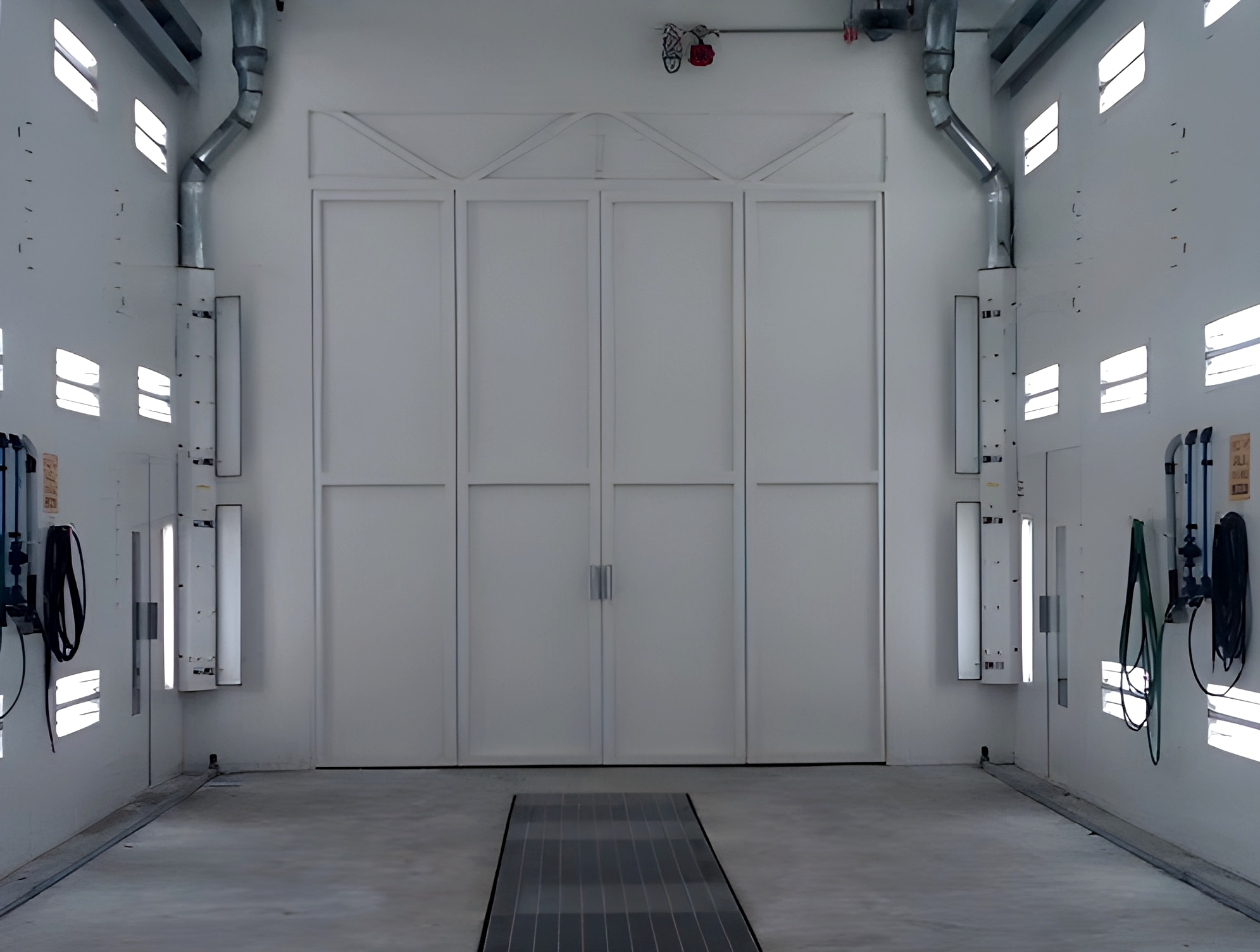 Convection drying systemsControlled recirculating heat for faster flash-off and force dry.
Ready to build a custom solution for your business?
Contact California Pulse today for a consultation and discover how a purpose-built system can improve how your shop runs.
Before you specify
Worth reading first
- Cartridge vs HEPA FiltersWhy these are stages rather than alternatives, where each belongs in the collection train, and when a high efficiency final filter is genuinely required.
- Spray Booth Ventilation RequirementsIntake and exhaust, airflow patterns, pressure balance, filtration, air makeup, and the ventilation mistakes worth avoiding.