How to Design Finishing Equipment for Easy Maintenance and Serviceability
February 24, 2026
In industrial finishing environments, equipment performance is only part of the equation. Long-term reliability depends heavily on how easily systems can be inspected, serviced, and repaired. Equipment that is difficult to maintain often leads to extended downtime, inconsistent p
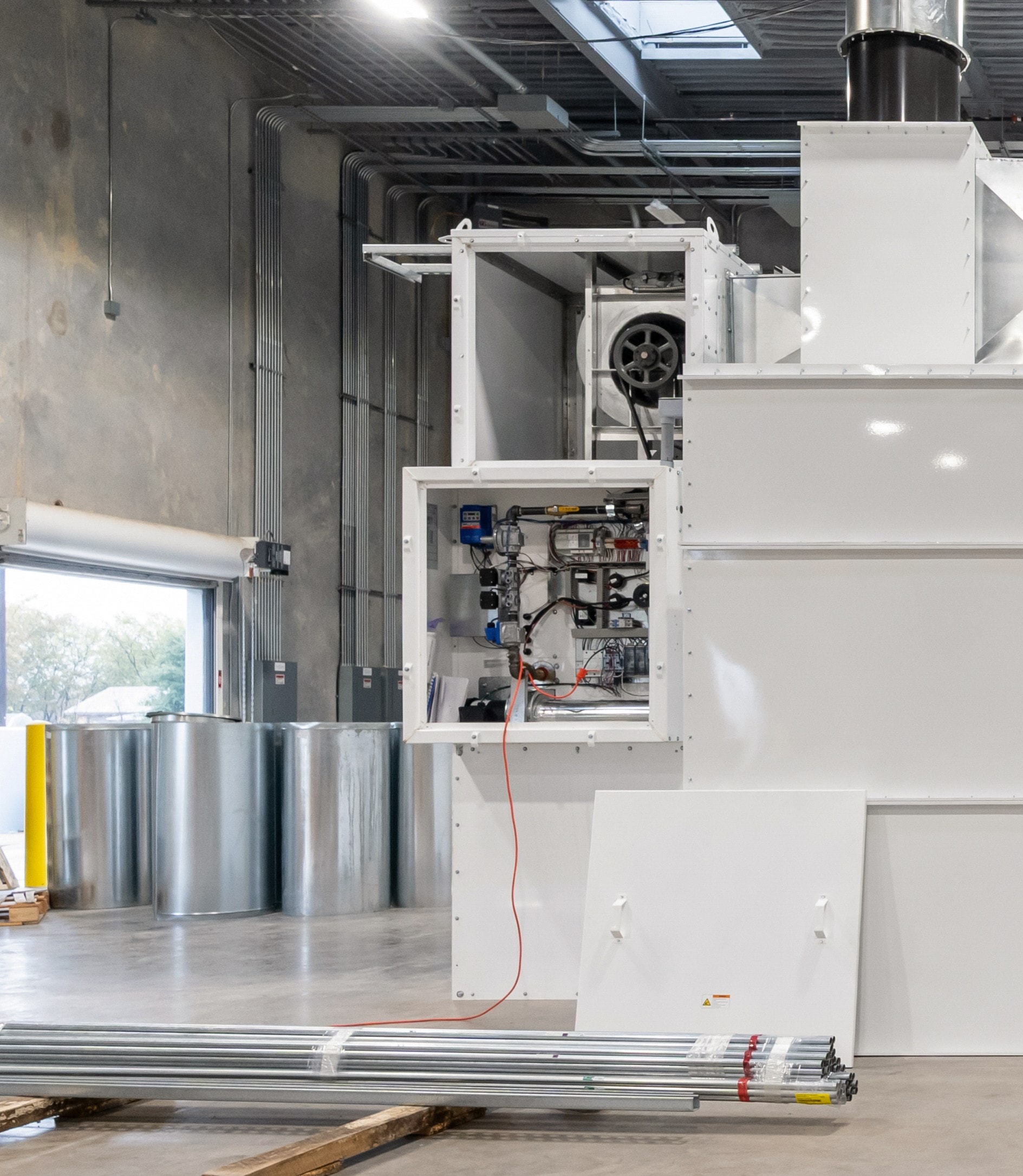
In industrial finishing environments, equipment performance is only part of the equation. Long-term reliability depends heavily on how easily systems can be inspected, serviced, and repaired. Equipment that is difficult to maintain often leads to extended downtime, inconsistent performance, and increased operating costs. Designing finishing equipment with maintenance in mind helps manufacturers reduce disruptions, improve safety, and extend equipment lifespan. Serviceability should not be treated as an afterthought — it must be built into the design from the beginning.
Why Serviceability Matters in Finishing Equipment
Maintenance challenges rarely appear during initial installation. Instead, they emerge months or years later when components require adjustment, cleaning, or replacement.
Poorly designed equipment can result in:
- Extended downtime during routine service
- Unsafe maintenance conditions
- Delayed troubleshooting
- Increased labor costs
- Inconsistent production performance
When maintenance teams can access and service systems efficiently, equipment remains operational longer and performs more consistently over time.
Start with Accessibility as a Core Design Principle
The most important rule of serviceable equipment design is simple: components that require maintenance must be easy to reach.
Critical service points should never require partial disassembly of surrounding systems. Maintenance personnel should be able to safely access components without climbing over equipment or removing structural panels.
Design guidelines include:
- Provide clear access doors for filters, fans, and motors
- Maintain adequate clearance around service components
- Position frequently serviced items at ground or platform level
- Avoid locating maintenance points behind fixed ductwork or piping
Accessibility reduces service time and encourages routine preventative maintenance instead of reactive repairs.
Design Around Routine Maintenance Tasks
Equipment should be engineered based on how it will actually be maintained in daily operation. Understanding common service activities helps guide layout decisions.
Typical maintenance activities include:
- Filter replacement
- Burner inspection and adjustment
- Fan and motor servicing
- Sensor calibration
- Cleaning overspray or dust buildup
Designing systems so these tasks can be completed quickly minimizes production interruptions and reduces maintenance risk.
Standardize Components Wherever Possible
Using standardized, widely available components simplifies servicing and reduces downtime caused by part availability issues.
Best practices include:
- Selecting common motor and fan sizes
- Using standardized electrical components
- Avoiding proprietary parts when practical
- Designing modular assemblies for quick replacement
Standardization allows maintenance teams to stock fewer spare parts while improving repair response time.
Provide Clear Access to Electrical and Control Systems
Control panels and electrical components are frequent service points, yet they are often installed in difficult-to-access locations.
Service-friendly electrical design should:
- Place control panels in clean, accessible areas
- Allow safe lockout/tagout procedures
- Provide clear labeling for wiring and components
- Separate high-heat or high-contamination areas from sensitive electronics
Well-organized control systems reduce troubleshooting time and improve technician safety during diagnostics.
Account for Airflow and Contamination During Maintenance
Finishing environments generate overspray, dust, and airborne contaminants that can accelerate wear on equipment components.
Maintenance-focused design should consider:
- Easy cleaning access for plenums and ductwork
- Removable panels for airflow inspection
- Protected placement of sensors and instrumentation
- Accessible dust collection components
Designing for cleaning and inspection prevents buildup that can negatively impact airflow performance and coating quality.
Incorporate Safe Service Conditions
Maintenance activities introduce different risks than normal operation. Equipment should be designed so service tasks can be performed safely and predictably.
Safety-focused guidelines include:
- Integrated lockout/tagout access points
- Adequate lighting in service areas
- Stable platforms or service clearances
- Reduced need for confined-space entry
When maintenance is safer, it is performed more consistently — improving long-term equipment reliability.
Documentation and Design Transparency
Even well-designed equipment becomes difficult to maintain without proper documentation. Engineering transparency plays a major role in long-term serviceability.
Equipment designs should include:
- Clear mechanical layouts
- Electrical schematics
- Maintenance schedules
- Replacement part documentation
- Defined service procedures
Providing technical clarity helps maintenance teams diagnose problems quickly and maintain consistent performance standards.
Designing for the Full Equipment Lifecycle
The most effective equipment designs consider the entire operational lifecycle, not just initial performance. Systems that are easy to maintain experience fewer disruptions and deliver more predictable results over time. Engineering teams that prioritize serviceability during design often see improvements in uptime, operating cost, and production stability without changing the core finishing process.
Why Serviceable Design Supports Long-Term Performance
Finishing equipment operates in demanding environments where airflow, temperature control, and contamination management must remain consistent. When maintenance becomes difficult, performance gradually declines. Designing equipment for easy service ensures systems can be maintained as intended, allowing manufacturers to protect quality standards and avoid unnecessary operational risk.
Why Choose California Pulse for Engineered Finishing Systems
Effective finishing equipment design balances performance, reliability, and long-term serviceability. Accessibility, standardized components, and process-driven layouts help ensure systems remain maintainable throughout their lifecycle. California Pulse designs finishing systems with maintenance and operational efficiency in mind, helping manufacturers reduce downtime while supporting consistent, reliable production performance.