Designing Effective Ductwork for Industrial Finishing Systems
December 31, 2025
Ductwork is the backbone of any spray booth or finishing system. Even the best booth, fan, and filtration package will underperform if the duct system is poorly designed. Improper duct layouts reduce airflow, increase energy consumption, create uneven booth pressures, and lead to
Quick Answer
Duct systems underperform for seven repeatable reasons: wrong duct size for the airflow, too many or too tight elbows, unnecessarily long or indirect routing, T-connections instead of angled wye fittings at branches, inadequate support and sealing, no cleanout access, and poorly designed exhaust discharge. Each one either adds static pressure, reduces booth airflow, or lets overspray settle inside the run. Ductwork should be sized from the booth's actual airflow requirement rather than a generic rule of thumb.
Ductwork is the backbone of any spray booth or finishing system. Even the best booth, fan, and filtration package will underperform if the duct system is poorly designed. Improper duct layouts reduce airflow, increase energy consumption, create uneven booth pressures, and lead to premature equipment failure.
Well-designed ductwork maintains stable airflow, minimizes static pressure losses, and ensures contaminants are safely exhausted from the facility. Understanding common duct design mistakes—and how to avoid them—helps protect finish quality, maintain code compliance, and extend the life of your finishing equipment.
Key Principles of Proper Ductwork Design
An effective duct system delivers smooth, consistent airflow from the booth to the exhaust point with minimal resistance. The following design principles form the foundation of reliable duct performance.
1. Duct Sizing and Air Velocity
Correct duct diameter is critical for maintaining proper airflow and static pressure.
Common Mistakes
- Undersized ductwork that restricts airflow
- Oversized ducts that slow air velocity and allow overspray to settle
- Using a single duct size for the entire run without considering airflow volume
Best Practice
Ductwork should be sized to maintain transport velocities that keep particulates suspended while minimizing pressure loss. Each system must be sized based on the booth’s airflow requirements, not generic rules of thumb. Gradual transitions should be used when changing duct size to avoid turbulence.
2. Excessive Elbows and Sharp Turns
Every change in direction adds resistance to airflow.
- Multiple 90-degree elbows stacked close together
- Tight-radius elbows that create turbulence
- Unnecessary direction changes due to poor layout planning
Use long-radius elbows whenever possible and minimize the number of turns in the duct run. Plan the layout early so duct paths are as straight and direct as possible. Fewer turns mean lower static pressure, quieter operation, and more consistent booth performance.
3. Poor Duct Routing and Length
Long duct runs increase pressure loss and reduce fan efficiency.
- Routing ducts around obstacles instead of redesigning the layout
- Excessively long horizontal runs
- Running ductwork higher or farther than necessary
Keep duct runs as short and direct as possible. Equipment layout should prioritize efficient airflow paths, not just floor space convenience. Reducing total duct length improves airflow stability and lowers energy costs.
4. Incorrect Branch Connections
Improper duct connections can cause airflow imbalance.
- Using T-connections instead of angled wye fittings
- Connecting multiple booths without proper balancing
- Ignoring airflow direction at branch intersections
All branch connections should enter the main duct at an angle that follows the direction of airflow. Wye fittings reduce turbulence and help maintain balanced airflow across multiple systems.
5. Inadequate Support and Sealing
Mechanical issues in ductwork often stem from installation shortcuts.
- Sagging duct sections that collect overspray
- Poorly sealed joints that leak air
- Insufficient structural support for long runs
Ductwork must be properly supported at regular intervals to maintain alignment. All seams and joints should be sealed to prevent air loss and contamination. Proper support also extends the life of the duct system and reduces maintenance issues.
6. Ignoring Cleanout and Maintenance Access
Ductwork requires periodic inspection and cleaning.
- No access doors for inspection or cleaning
- Designing duct runs that cannot be safely serviced
- Allowing overspray buildup to go unnoticed
Include cleanout doors at strategic locations, especially near elbows and low points where material can accumulate. Easy access reduces downtime and improves long-term system safety.
7. Improper Exhaust Discharge Design
The duct system does not end at the fan.
- Discharging exhaust too close to the building
- Failing to direct airflow away from intakes or rooflines
- Ignoring local code and environmental requirements
Exhaust discharge points should be designed to safely disperse air away from the facility and prevent re-entrainment. Proper stack height and discharge direction are critical for compliance and performance.
Why Proper Duct Design Matters
Well-designed ductwork:
- Maintains consistent booth airflow and pressure
- Improves finish quality and reduces defects
- Reduces energy consumption and operating costs
- Extends fan, motor, and filter life
- Supports NFPA, OSHA, and local code compliance
- Prevents costly rework and downtime
Small design errors in ductwork can have a major impact on system performance.
Why Choose California Pulse for Integrated Ductwork Design
California Pulse designs duct systems as an integral part of the finishing environment—not an afterthought.
Our Approach
- Application-specific duct sizing
- Optimized layouts to minimize pressure loss
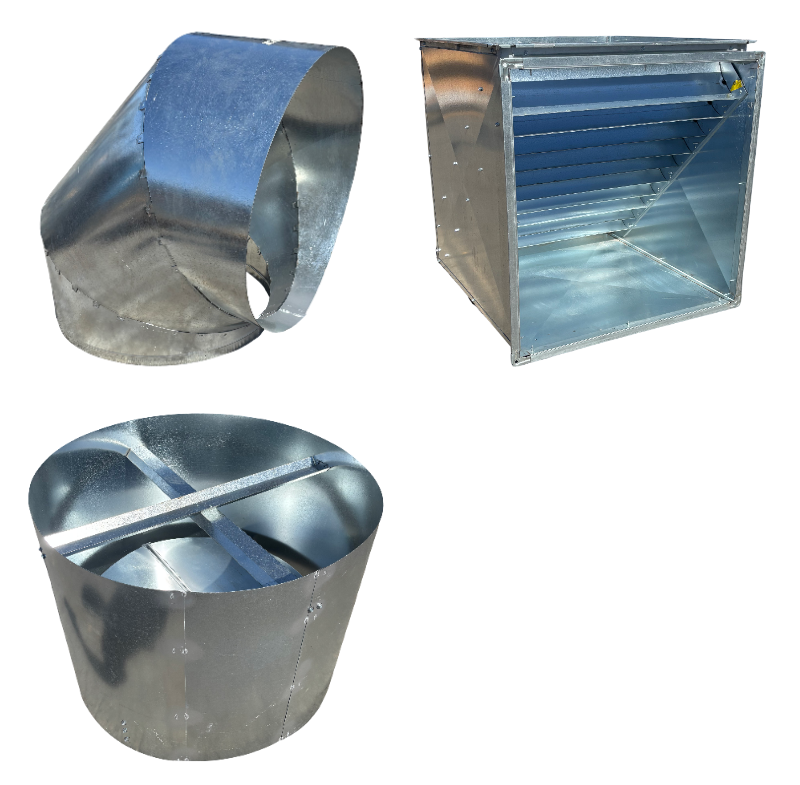
- Long-radius fittings and proper branch design
- Code-compliant exhaust discharge solutions
- Seamless integration with booth and fan systems
Every system is engineered for performance, safety, and long-term reliability.
Design It Right the First Time
Whether you’re installing a new finishing system or correcting airflow issues in an existing one, proper ductwork design makes all the difference. California Pulse can evaluate your layout, identify problem areas, and engineer a solution that delivers consistent, compliant airflow.
Answers