How Sandblasting and Blast Booths Support Proper Surface Preparation Before Painting
February 6, 2026
Surface preparation is one of the most important steps in any liquid or powder coating operation. No matter how advanced the coating material or spray equipment may be, finishes will fail if the substrate is not properly prepared. Contaminants such as oil, grease, rust, mill scal
Surface preparation is one of the most important steps in any liquid or powder coating operation. No matter how advanced the coating material or spray equipment may be, finishes will fail if the substrate is not properly prepared. Contaminants such as oil, grease, rust, mill scale, or residual coatings can prevent proper adhesion and lead to premature coating failure.
Sandblasting and abrasive blasting systems play a critical role in preparing metal surfaces for painting. When paired with properly designed blast booths, these systems help manufacturers achieve consistent, high-quality finishes while reducing rework, downtime, and compliance risk.
Why Surface Preparation Is Critical to Coating Performance
For paint or powder to adhere correctly, the surface must be clean and conditioned to the coating manufacturer’s specifications. Proper surface preparation directly affects:
- Adhesion and finish quality
- Corrosion resistance
- Coating durability and lifespan
- Rework rates and production efficiency
Even small amounts of contamination left on a surface can cause defects such as fisheyes, peeling, blistering, or uneven finishes. That’s why surface preparation should be viewed as a foundational step — not an afterthought — in the finishing process.
How Abrasive Blasting Prepares Surfaces for Coating
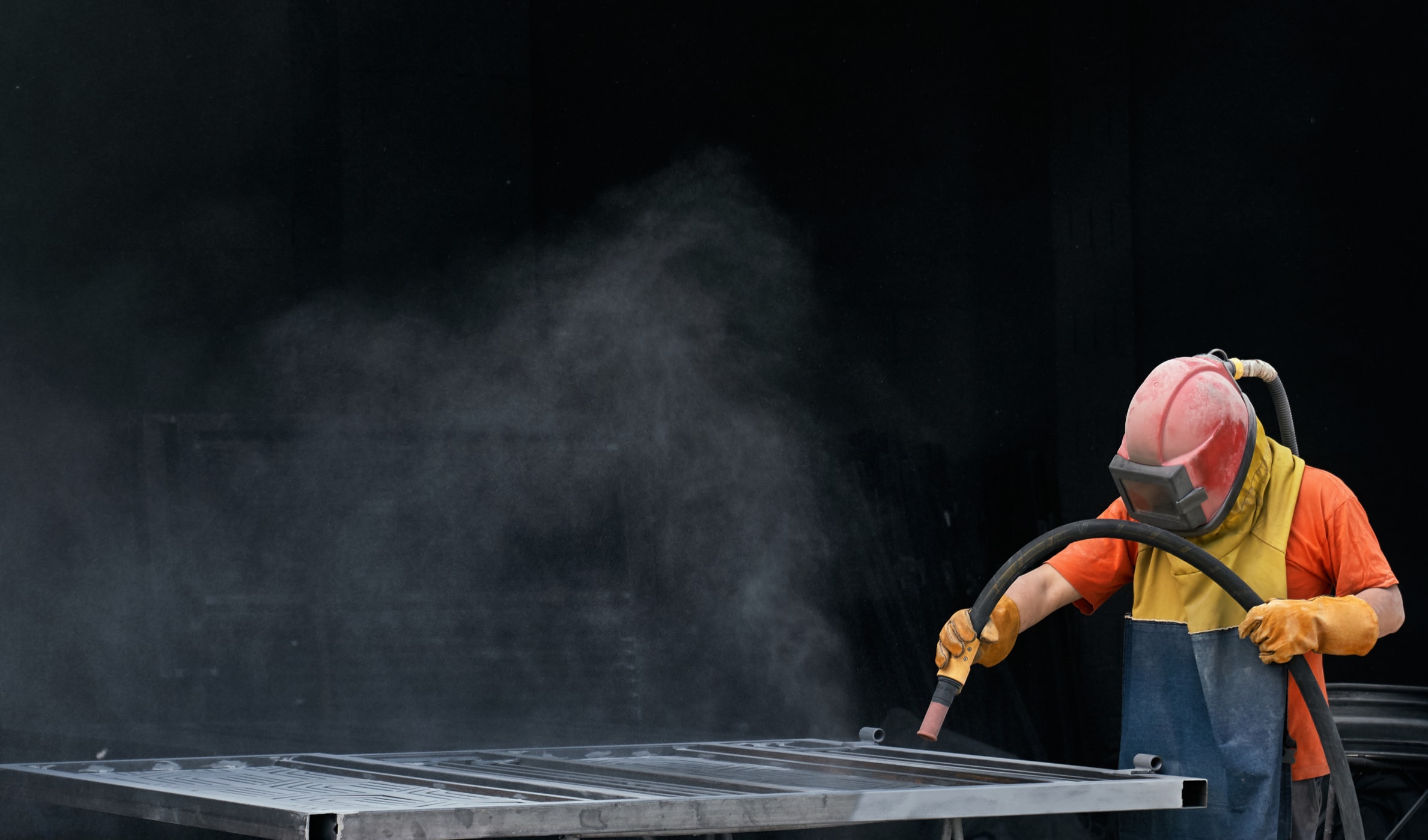
Abrasive blasting works by propelling media at high velocity against a surface to remove contaminants and create a uniform surface profile. This process not only cleans the substrate but also creates the mechanical “tooth” coatings need to bond effectively.
Blasting is especially important when parts contain:
- Rust or oxidation
- Mill scale
- Existing paint or coatings
- Heavy oils or embedded contaminants
Clean, manufactured steel may only require washing prior to coating, but most industrial parts benefit from abrasive blasting to meet performance and durability requirements.
Common Blasting Methods Used in Manufacturing
Different blasting methods are selected based on the substrate, finish requirements, and production volume.
Dry abrasive blasting is widely used across industries for its versatility and effectiveness in removing heavy contamination.
Wet blasting introduces water to reduce dust and frictional heat, making it suitable for sensitive materials.
Shotblasting uses centrifugal force and spherical media to aggressively clean larger or heavily contaminated parts.
Each method serves a specific purpose, and selecting the right approach is key to achieving consistent results.
Blasting Standards and Cleanliness Levels
Industry standards help define how clean a surface must be before coating. The Society for Protective Coatings (SSPC) outlines several blasting cleanliness levels that align surface preparation with coating performance expectations.
These range from light cleaning for non-corrosive environments to complete removal of all visible contaminants for highly corrosive or critical applications. Matching the correct blasting standard to the service environment ensures coatings perform as intended over their full lifecycle.
Why Blast Booths Improve Blasting and Coating Results
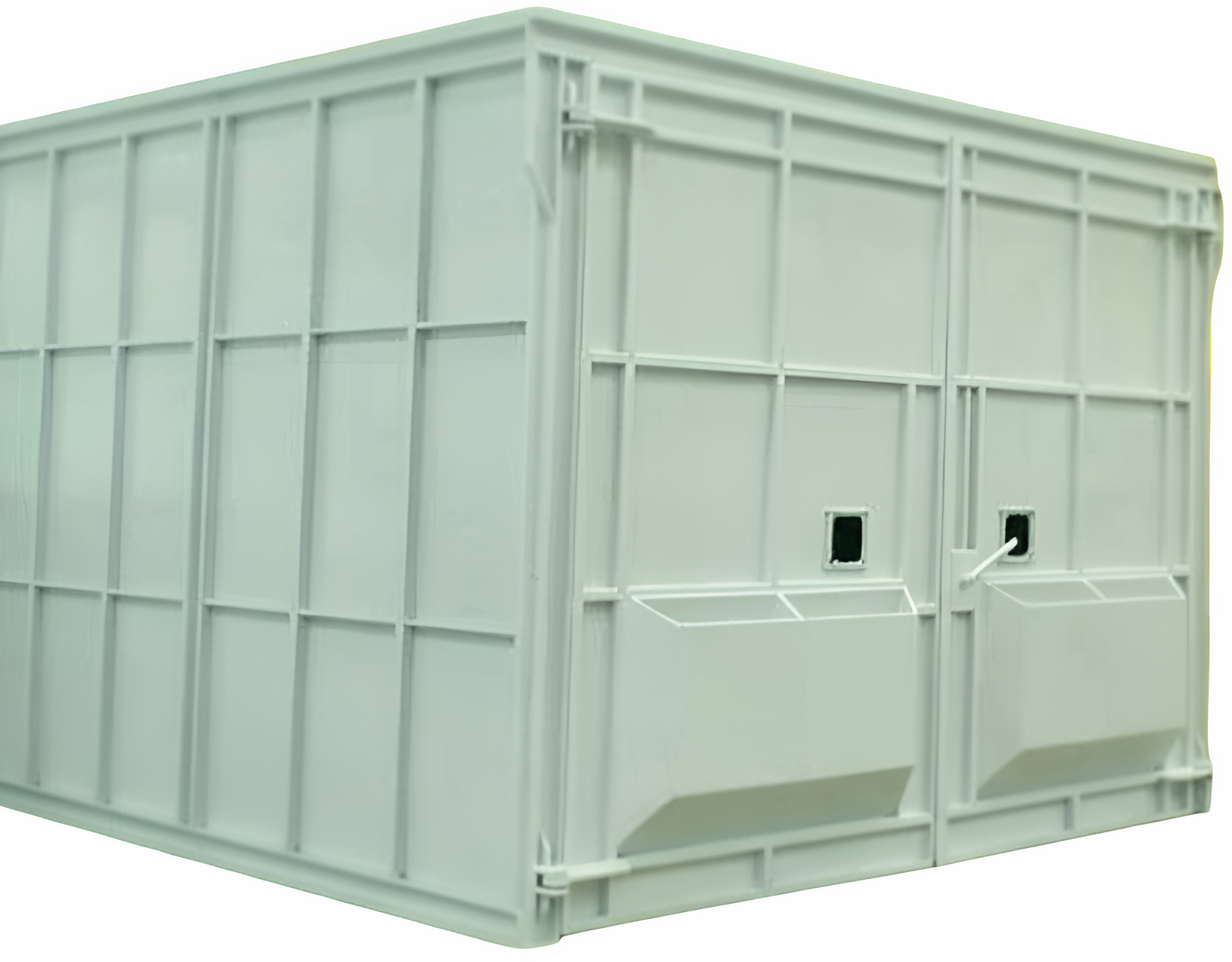
While blasting can be performed in open areas, dedicated blast booths provide a controlled environment that improves consistency, safety, and efficiency.
Blast booths help by:
- Containing abrasive media and debris
- Preventing contamination of nearby processes
- Supporting media recovery and reuse
- Improving operator safety and ergonomics
Proper booth sizing is critical. Blast booths should allow three to four feet of clearance around the largest part being processed to reduce media rebound and ensure safe, effective blasting.
The Role of Dust Collection in Surface Preparation
Dust control is essential during blasting operations. Airborne dust can contaminate nearby work areas, impact coating quality, and create health and compliance risks.
Well-designed blast booths incorporate dust collection systems that evacuate airborne particles and maintain clean air within the enclosure. Effective airflow design ensures dust is removed quickly, reducing the risk of contamination before parts move into paint or powder coating booths.
Selecting the Right Abrasive Media
The type of abrasive media used has a significant impact on surface profile, dust generation, and overall efficiency. Media varies in hardness, shape, and density, all of which influence cleaning performance.
Common media types include steel shot and grit, aluminum oxide, glass bead, crushed glass, plastic media, and ceramic grit. Selecting the right media helps manufacturers balance surface quality, media consumption, and dust control while meeting coating requirements.
Cleaning Parts After Blasting
Blasting is only effective if parts are properly cleaned afterward. Residual dust or oils can compromise coating adhesion, particularly in powder coating applications.
Parts should be handled with gloves and cleaned according to finish requirements. Higher-quality finishes often require solvent wiping or additional cleaning steps to ensure surfaces are completely free of contaminants before coating.
Blasting as Part of a Complete Finishing Process
Modern finishing operations increasingly rely on integrated, code-compliant blasting environments rather than temporary or open setups. Proper blasting equipment supports consistent coating performance, reduces rework, and helps manufacturers stay compliant with environmental and safety regulations.
When designed correctly, blast booths can function as standalone systems or as part of a complete finishing line that includes washing, coating application, and curing.
Building Better Finishes Starts with Better Preparation
High-quality finishes begin with proper surface preparation. Sandblasting and blast booths remove contaminants, improve coating adhesion, and help manufacturers produce durable, consistent results. Investing in the right blasting equipment and environment reduces production risk, improves finish quality, and lays the foundation for long-term coating performance.
Why Choose California Pulse for Blast Booth Systems
Effective surface preparation depends on more than blasting equipment alone. Airflow control, dust collection, booth sizing, and layout all play a role in producing clean, consistent results.
California Pulse designs blast booth systems that support reliable surface prep, efficient media handling, and cleaner operating environments. Each system is engineered to integrate with downstream painting or powder coating processes while supporting safety, compliance, and long-term performance.