“The Cheapest Booth” Is Often the Most Expensive Decision
January 7, 2026
When shopping for a spray booth, it’s natural to focus on the upfront price. Budgets are tight, timelines are demanding, and on paper, many booths can appear similar. But in the paint and finishing industry, the lowest-cost option often comes with hidden compromises that reveal t

When shopping for a spray booth, it’s natural to focus on the upfront price. Budgets are tight, timelines are demanding, and on paper, many booths can appear similar. But in the paint and finishing industry, the lowest-cost option often comes with hidden compromises that reveal themselves only after installation through poor performance, compliance issues, excessive maintenance, and lost productivity.
In reality, the true cost of a spray booth isn’t measured by the purchase order alone. It’s measured over years of operation, energy use, finish quality, safety, and downtime. This is where the “cheapest booth” frequently becomes the most expensive decision a shop can make.
The Hidden Costs Behind a Low-Priced Booth
1. Compromised Airflow & Finish Quality
Low-cost booths often cut corners on airflow design—undersized fans, poorly designed plenums, inconsistent velocity, or inadequate filtration stages. The result?
- Inconsistent finishes
- Increased dirt, overspray, and rework
- Longer cycle times
- Frustrated painters chasing quality issues that aren’t process-related
A booth that cannot deliver uniform, engineered airflow will cost you far more in rejected parts and labor than it ever saved upfront.
2. Thin Materials & Shortened Equipment Life
Steel gauge, weld quality, and structural design matter. Cheaper booths frequently use thinner material, minimal reinforcement, and lower-grade components.
Over time, this can lead to:
- Warping or oil-canning panels
- Air leaks that reduce booth efficiency
- Increased corrosion
- Premature component failure
What looks acceptable at install often turns into a maintenance headache within a few years.
3. Energy Inefficiency That Never Goes Away
Heating, exhausting, and replacing air is one of the largest operating costs in any finishing operation. Low-cost booths are often paired with:
- Inefficient heaters
- Improper air balance
- Undersized or mismatched make-up air systems
These inefficiencies don’t show up on day one—but they show up every month on your utility bills. Over the life of the booth, energy waste can dwarf the initial “savings.”
4. Compliance Risks & Costly Retrofits
Code compliance is not optional. Booths that are priced aggressively are often missing key elements required by NFPA, OSHA, or local fire authorities.
This can result in:
- Delayed permits
- Failed inspections
- Expensive field modifications
- Production shutdowns
Fixing compliance after installation is always more expensive than doing it right from the start.
5. Downtime Is the Most Expensive Cost of All
When a booth underperforms, fails inspections, or requires constant repairs, the real loss isn’t the equipment—it’s production time.
Downtime impacts:
- Customer delivery schedules
- Labor efficiency
- Revenue
- Reputation
A booth that can’t keep up with your workload or requires frequent attention becomes a bottleneck instead of a solution.
What Actually Makes a Booth “Cost-Effective”
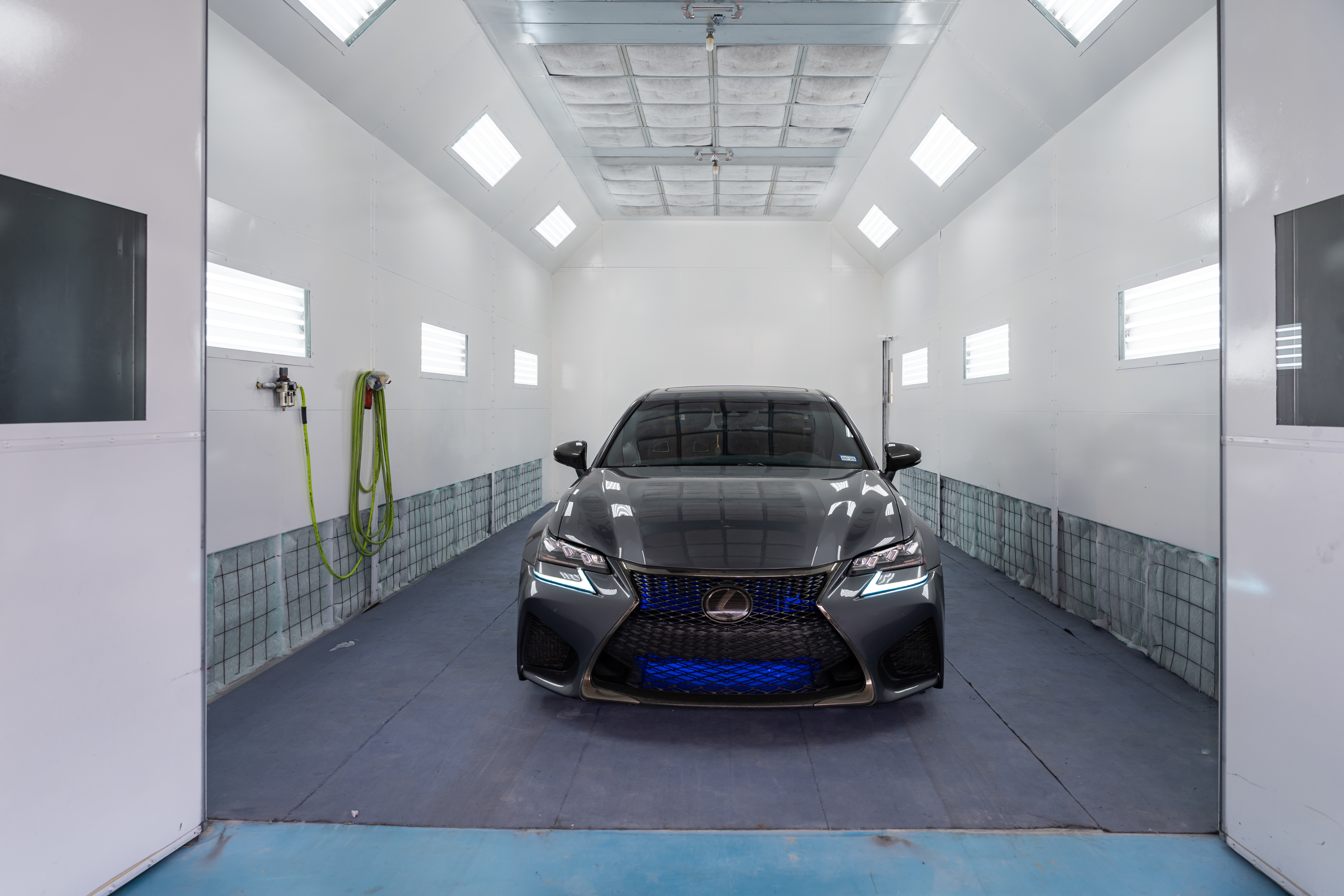
A truly cost-effective spray booth is one that:
- Delivers consistent, engineered airflow
- Uses properly sized fans, heaters, and controls
- Is built with durable materials designed for long-term use
- Meets applicable codes without last-minute fixes
- Reduces rework, rejects, and operating costs
- Supports your production goals instead of limiting them
Initial price matters—but performance, reliability, and efficiency matter more.
California Pulse's Different Approach
At California Pulse, we don’t design equipment to win on price alone, we design it to win over time.
Our spray booths are engineered with:
- Proper airflow modeling and balance
- Heavy-gauge galvanized steel construction
- High-quality components selected for industrial duty
- Code-conscious designs that streamline permitting
- Integration with heaters, make-up air units, and controls
We focus on building systems that perform consistently, install smoothly, and operate efficiently for years—not booths that look good only on a quote.
Instead of asking “What’s the cheapest booth I can buy?”, a better question is:
“What will this booth cost me over the next 10–15 years of operation?”
When you account for finish quality, energy use, compliance, maintenance, and uptime, the answer becomes very clear.
California Pulse can help you look beyond the sticker price and design a solution that makes sense long-term. Contact California Pulse for a free quote today!