5 Things That Lead to Better Finishing Equipment Investments
January 20, 2026
Choosing finishing equipment isn’t just a purchase — it’s a long-term business decision that affects quality, safety, compliance, productivity, and operating cost. Use this guide to evaluate any finishing system before you invest.
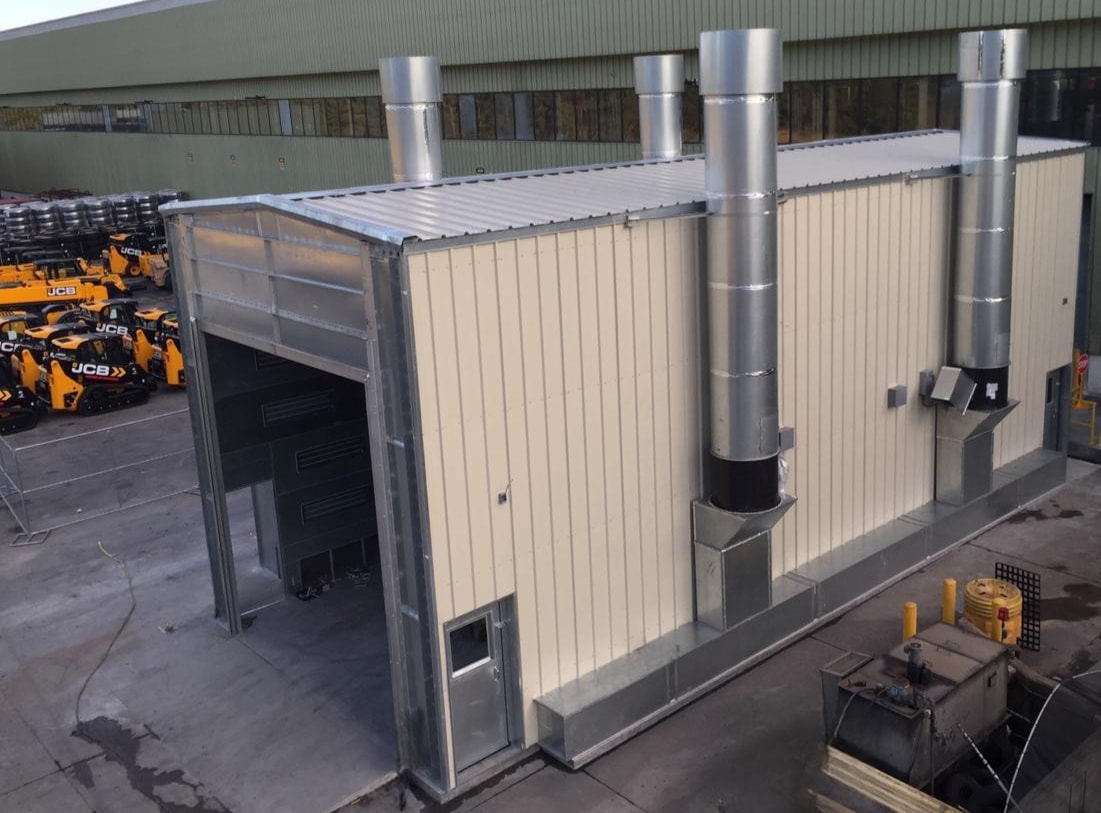
Choosing finishing equipment isn’t just a purchase — it’s a long-term business decision that affects quality, safety, compliance, productivity, and operating cost. Use this guide to evaluate any finishing system before you invest.
1. Proper Sizing for Today — and Tomorrow
Your finishing equipment must be sized for:
- The largest product you will ever finish
- Future products, not just current ones
- Operator movement and access
- Airflow clearance
- Material handling equipment
Industrial Sizing Rule of Thumb:
Add:
- +5 ft to length
- +5 ft to width
- +3 ft to height
For multiple parts, allow 3 ft between each part.
Don’t Forget Material Handling:
Forklifts, cranes, dollies, and conveyors all require additional clearance for:
- Turning radius
- Lift height
- Attachments
- Safe operator movement
These factors directly determine:
- Door size
- Ceiling height
- Booth footprint
Common mistake: Buying a booth that fits today’s parts but limits future growth.
2. Airflow Design, Heating, Filtration & Energy Use
Airflow determines finish quality, contamination control, safety, and operating cost.
Airflow Styles:
Type
Best For
Crossflow
Budget, low-volume
Reverse Flow
Space-limited shops
Semi-Downdraft
Mid-range quality
Downdraft
Highest finish quality
Side-Downdraft
High quality without pit
Open Face
Large or irregular parts
Key Considerations:
- Complex parts benefit from vertical airflow
- High-finish work demands downdraft or side-downdraft
- Horizontal airflow uses less energy
- Vertical airflow delivers cleaner finishes
Pressurization
A pressurized booth prevents dust and contaminants from entering the spray area and ensures consistent airflow and finish quality.
Heating
Heated booths:
- Improve cure consistency
- Increase throughput
- Reduce rework
Retrofitting heat later is far more expensive than planning for it early.
Filtration
Options range from basic overspray capture to multi-stage and HEPA systems depending on coating type and compliance needs.
Energy Efficiency
Look for:
- Prep mode airflow reduction
- High recirculation bake modes
- Efficient burner designs
- Direct-fired heater options
Energy design decisions dramatically affect long-term operating costs.
3. Booth Location & Facility Integration
Where the booth goes matters as much as the booth itself.
Workflow
- Smooth part flow from prep → spray → cure
- No congestion or backtracking
- Separate staging for finished and unfinished parts
Service Access
- Filter replacement access
- Fan, heater, and control panel clearance
- Safe maintenance walkways
Ductwork
- Straight duct runs whenever possible
- Properly engineered elbows if needed
- Adequate ceiling clearance
Environmental Factors
- Lighting quality
- Temperature and humidity control
- Noise levels
- Fume management
Poor placement creates bottlenecks, safety risks, and long-term frustration.
4. Permitting, Safety & Compliance
Your finishing system must meet all applicable codes.
Key areas include:
- Local building permits
- Fire marshal approval (NFPA 33)
- Environmental air quality permits
- OSHA workplace safety standards
ETL Listing — Critical Point
Ensure the entire booth system is ETL Listed, not just individual components. A true system listing confirms all components work together safely and compliantly.
Permitting delays can range from weeks to months — planning early avoids costly project delays.
5. Lifecycle Cost, Not Just Purchase Price
The lowest purchase price often leads to the highest long-term cost.
Evaluate:
- Energy consumption
- Filter replacement frequency and cost
- Maintenance requirements
- Downtime risk
- Upgrade limitations
- Future expansion capability
Common Buying Mistakes:
- Undersizing
- Buying on price alone
- Ignoring energy efficiency
- Skipping professional airflow testing
- Poor duct design
- No recirculation cure mode
Smart Questions to Ask Any Vendor
- Is the full system ETL Listed?
- What codes does it comply with?
- What are the installation requirements?
- What are the maintenance and filter costs?
- What heating and curing options exist?
- How is energy efficiency achieved?
- Can it be customized?
- What support is provided after installation?
Final Thought
High-performing finishing operations are built with:
✔ Proper sizing
✔ Correct airflow strategy
✔ Smart energy design
✔ Thoughtful facility integration
✔ Full compliance planning
When these five areas are done right, you get:
- Better finish quality
- Lower operating cost
- Higher throughput
- Safer working conditions
- Long-term business growth