Common Surface Appearance Issues in Liquid and Powder Coating
January 16, 2026
In liquid and powder coating operations, surface appearance is a direct reflection of process control. Even minor defects can result in rejected parts, rework, lost production time, and increased material costs. In industries such as aerospace, automotive, and industrial manufact
Quick Answer
Most coating defects trace back to four causes: airborne contamination, surface preparation errors, application technique and coating material imbalance. Fisheyes, craters and blistering usually point to contamination or oil on the substrate. Orange peel, pinholing, runs and uneven film thickness usually point to spray technique or equipment. Blushing, solvent popping and poor leveling usually point to temperature, humidity or formulation. Recurring defects indicate a systemic process problem rather than bad luck.
In liquid and powder coating operations, surface appearance is a direct reflection of process control. Even minor defects can result in rejected parts, rework, lost production time, and increased material costs. In industries such as aerospace, automotive, and industrial manufacturing, appearance flaws are rarely acceptable.
Most coating defects are not random. They originate from contamination, improper preparation, application errors, or coating material imbalance. Understanding these causes allows operators and managers to correct problems at the source instead of repeatedly fixing symptoms.
Primary Causes of Coating Appearance Defects
Surface defects typically trace back to four core areas of the coating process.
1. Dirt and Contamination
Airborne dust, fibers, oils, and residue are among the most common causes of coating defects.
How Contamination Appears
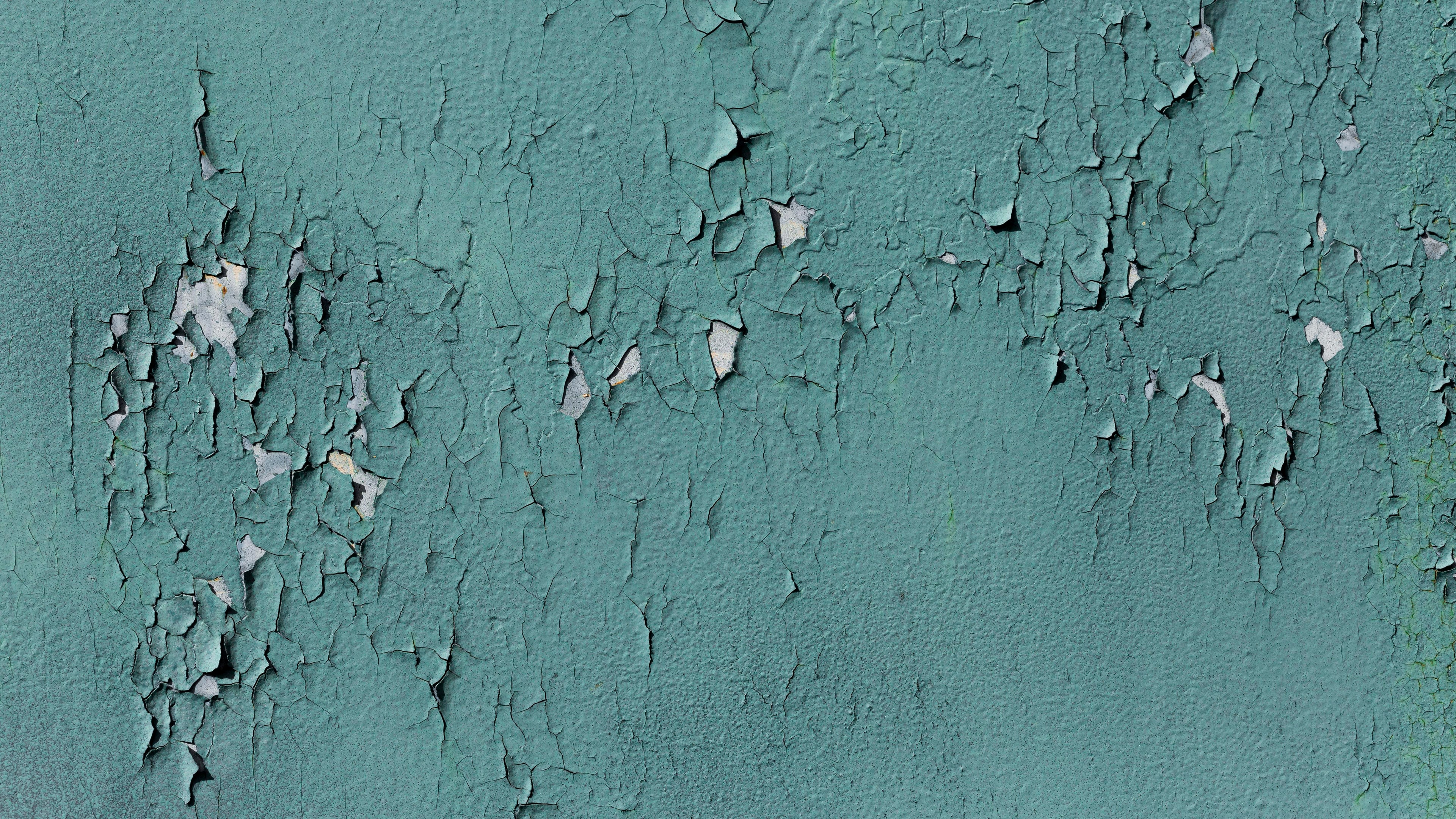
- Fisheyes or craters exposing the substrate
- Raised bumps or debris in the film
- Blistering or localized peeling
- Inconsistent texture
Even trace amounts of oil, lubricant, or moisture on the surface can disrupt coating adhesion.
How to Control Contamination
- Use high-efficiency intake filtration
- Maintain clean booth interiors
- Control shop dust sources
- Keep parts isolated after cleaning
Clean air is the foundation of clean finishes.
2. Surface Preparation Errors
Coatings are engineered to bond to substrates in very specific conditions. Any deviation reduces adhesion and appearance quality.
Common Preparation Problems
- Residue from cleaners or solvents
- Incomplete sanding or grinding
- Remaining oxidation or corrosion
- Improper chemical pretreatment
Poor preparation often leads to peeling, uneven texture, or early coating failure.
Best Practice
Every surface must be cleaned, conditioned, and inspected before coating—regardless of coating type.

3. Application Technique Issues
Many appearance defects originate during spraying or coating application.
Typical Application Defects
- Orange peel texture
- Pinholing
- Uneven film thickness
- Runs and sags
These problems often result from:
- Dirty or incompatible spray equipment
- Incorrect spray distance or angle
- Improper atomization settings
- Inconsistent operator technique
Use clean, maintained equipment and provide consistent operator training to ensure uniform application.
4. Coating Material Imbalance
Liquid and powder coatings are sensitive to temperature, humidity, pressure, and formulation balance.
Material-Related Defects
- Blushing or blooming discoloration
- Solvent popping
- Poor leveling
- Inconsistent gloss
If coating surface tension does not properly match the substrate, defects such as sagging and poor flow become likely.
Always follow coating manufacturer specifications for storage, mixing, temperature, and humidity limits.
Why Appearance Issues Should Never Be Ignored
Recurring appearance defects indicate a systemic problem within the finishing process. Ignoring them leads to:
- Increased rework and scrap
- Higher material consumption
- Production delays
- Customer dissatisfaction
- Rising labor costs
Every visible defect has a root cause — and identifying it early saves significant time and money.
How the Finishing Environment Impacts Appearance
Even with perfect preparation and materials, a poor finishing environment will create defects.
Key environmental factors include:
- Air cleanliness
- Airflow consistency
- Temperature stability
- Humidity control
- Lighting quality
Specialized spray booths provide the controlled conditions required to protect coatings from environmental interference.
Solving Appearance Issues at the Source
The most effective way to reduce coating defects is to control the entire finishing system — not just the coating material.
A properly designed booth:
- Prevents contamination
- Maintains consistent airflow
- Stabilizes temperature and humidity
- Improves visibility
- Supports operator consistency
This system-level control dramatically improves first-pass yield and finish quality.
Why Choose California Pulse for Finish Quality Control
California Pulse finishing systems are engineered to minimize appearance defects through:
- High-efficiency filtration
- Balanced airflow design
- Precision temperature control
- Optimized lighting layouts
- Durable, contamination-resistant interiors
Our systems are designed to protect coating quality from preparation through cure.
Protect Your Finish — and Your Bottom Line
Appearance defects are expensive. Controlling the finishing environment is the most effective way to prevent them.
California Pulse can help you identify the sources of coating issues and design a finishing solution that improves quality, reduces rework, and increases production efficiency.
Answers