How Upgrading Finishing Equipment Improves Productivity and Increases Capacity
March 17, 2026
In many manufacturing environments, finishing operations become a hidden constraint on production. When coating systems struggle to keep pace with upstream manufacturing, parts begin to queue, cycle times increase, and production capacity becomes limited.
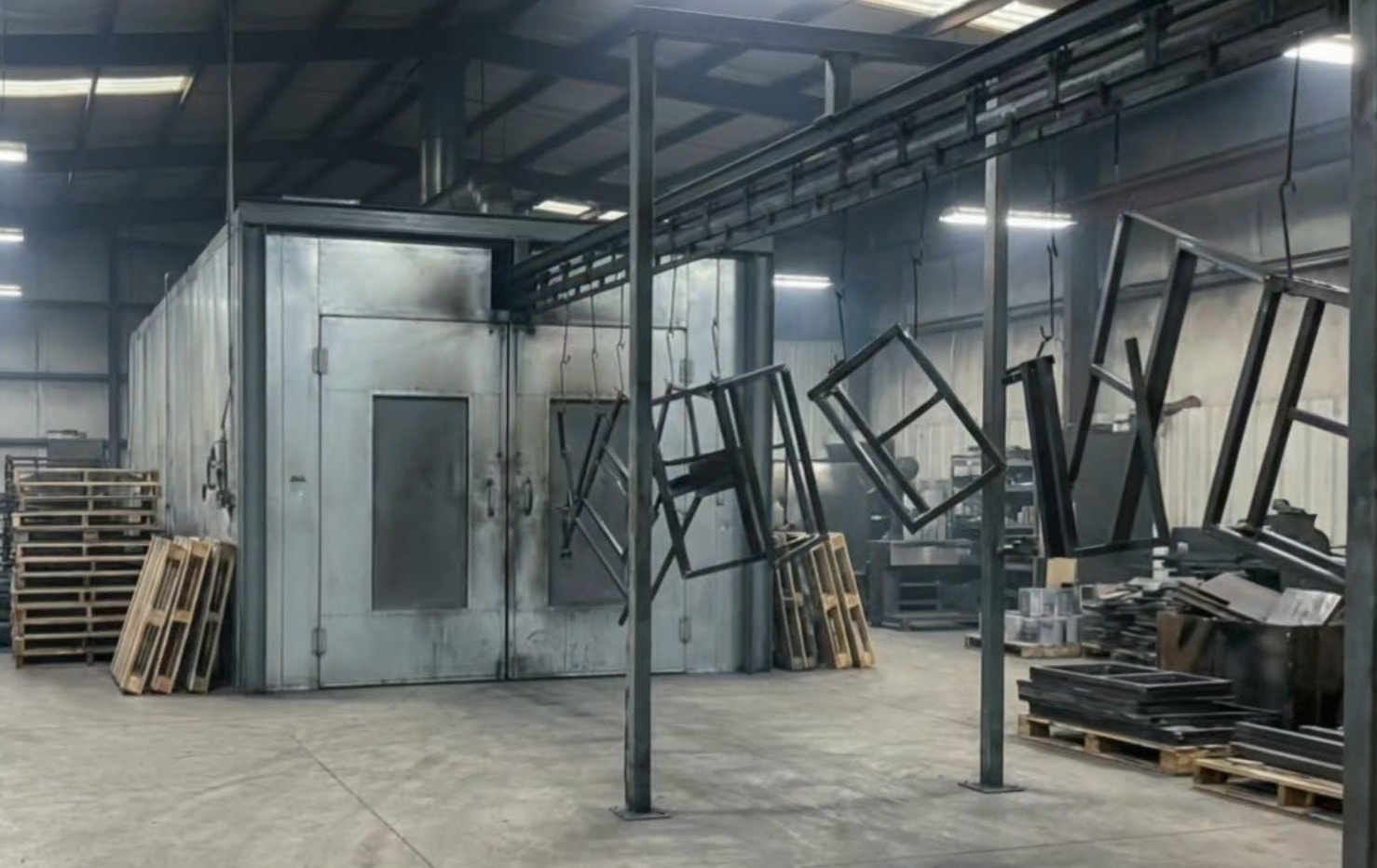
In many manufacturing environments, finishing operations become a hidden constraint on production. When coating systems struggle to keep pace with upstream manufacturing, parts begin to queue, cycle times increase, and production capacity becomes limited.
Upgrading finishing equipment can significantly improve throughput and efficiency, but the benefits come from specific engineering improvements in airflow, heating performance, equipment layout, and process stability. Understanding how these improvements translate into productivity gains helps manufacturers evaluate where new equipment can have the greatest impact.
Why Finishing Equipment Often Limits Production Capacity
Finishing processes involve multiple variables — airflow, temperature control, application conditions, and curing performance. When any of these elements becomes inconsistent or inefficient, production slows down.
Upgrading equipment allows manufacturers to improve productivity by:
- Increasing how quickly parts move through the booth
- Reducing wait time between coating and curing stages
- Processing more parts per cycle
- Minimizing rework and defects
- Expanding product geometry ranges
These improvements occur because modern finishing systems are engineered to support faster, more stable processes.
Improved Airflow Allows Faster and More Consistent Application
Airflow design directly affects how efficiently operators can apply coatings. In poorly designed booths, overspray remains suspended in the air, reducing visibility and contaminating freshly coated parts. This forces operators to slow down or stop spraying while the air clears.
Upgraded systems improve productivity by engineering airflow that:
- Moves overspray quickly toward exhaust filters
- Maintains consistent air velocity across the entire booth
- Prevents turbulence that can disturb the spray pattern
When overspray is removed quickly, operators maintain clear visibility and can apply coatings continuously without pauses. This allows more parts to be coated during each production shift.
Faster Heating Systems Reduce Cycle Time
Heating performance is one of the largest contributors to finishing cycle time. Older systems often require extended warm-up periods or struggle to maintain stable temperatures during curing.
Modern heating systems improve productivity by:
- Using higher-efficiency burners or heaters to reach temperature faster
- Delivering more uniform heat distribution throughout the booth or oven
- Maintaining consistent temperatures during curing cycles
These improvements shorten the time required to reach curing temperature and reduce overall bake times, allowing more batches to be processed during the same production period.
Larger Booths Increase Parts Processed Per Cycle
Many finishing operations operate within booths that were originally sized for smaller parts or lower production volumes. As production grows, these limitations reduce how many parts can be processed at once.
Upgraded equipment increases capacity by:
- Expanding usable booth space
- Allowing multiple parts to be coated simultaneously
- Supporting larger part sizes without slowing the process
For example, increasing booth dimensions or improving internal layout may allow operators to coat twice as many parts in a single cycle. This immediately increases overall production capacity without requiring additional shifts.
Improved Lighting Helps Operators Work Faster and More Accurately
Lighting quality is often overlooked as a productivity factor. Dim or poorly positioned lighting makes it difficult for operators to identify coverage issues while spraying.
Upgraded finishing equipment improves productivity by:
- Providing bright, evenly distributed lighting throughout the booth
- Reducing shadows and glare on part surfaces
- Allowing operators to clearly see coating coverage and defects during application
When operators can easily see the work surface, they spend less time correcting missed areas or applying additional coats. This reduces both spray time and rework.
Better Filtration Reduces Contamination and Rework
Air contamination is a major cause of finishing defects. Dust or debris entering the booth can become embedded in coatings, requiring parts to be sanded and refinished.
Upgraded equipment improves productivity by:
- Using higher-efficiency intake air filtration
- Improving airflow patterns that remove airborne debris
- Isolating finishing environments from surrounding shop contamination
Cleaner air reduces the number of defective parts, which means more components pass inspection on the first attempt. Higher first-pass yield directly increases effective production capacity.
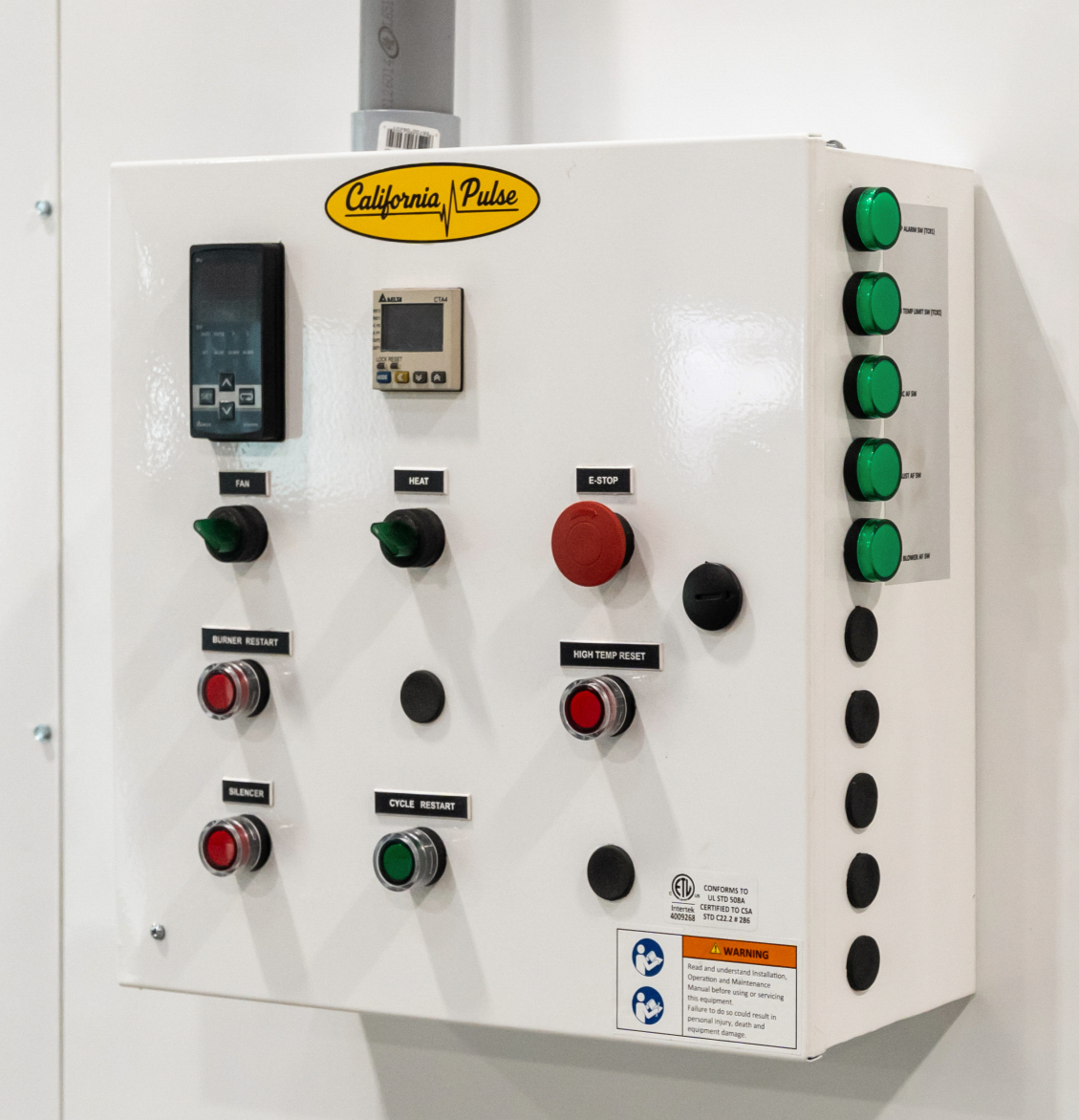
Modern Controls Improve Process Stability
Older finishing systems often rely on manual adjustments and limited monitoring, making it difficult to maintain consistent operating conditions.
Modern control systems improve productivity by:
- Automatically regulating airflow and temperature
- Monitoring system performance in real time
- Providing alarms when conditions move outside acceptable ranges
Stable operating conditions reduce variation in the finishing process, allowing operators to maintain consistent production speeds without constantly adjusting equipment settings.
Reduced Maintenance Downtime Keeps Production Running
Aging finishing equipment frequently requires maintenance or repair, which can interrupt production schedules.
Newer systems improve uptime by:
- Using modern components with longer service intervals
- Providing easier access for maintenance and filter replacement
- Incorporating monitoring systems that detect issues early
Reduced downtime means equipment remains available for production more often, allowing manufacturers to process more parts over time.
Turning Equipment Upgrades Into Higher Production Output
The productivity benefits of upgrading finishing equipment come from a combination of engineering improvements. Faster airflow management, quicker heating cycles, improved lighting, and cleaner air all contribute to a more efficient coating process.
When these factors are optimized together, manufacturers can move parts through finishing operations more quickly, reduce rework, and increase the number of parts completed each day.
Why Choose California Pulse for Engineered Finishing Systems
Achieving higher productivity requires more than replacing aging equipment. Airflow performance, heating capacity, booth layout, and process controls must all work together to support efficient finishing operations.
California Pulse designs finishing systems engineered to improve throughput, reduce process variability, and support higher production capacity. By aligning equipment design with real manufacturing workflows, these systems help manufacturers increase output while maintaining consistent coating quality.