10 Questions to Ask Before Buying a Spray Booth
March 19, 2026
Purchasing a spray booth is a significant investment that impacts production efficiency, finish quality, operating costs, and compliance for years to come. Yet many buying decisions are made based on limited comparisons, often focusing on price or basic dimensions alone.
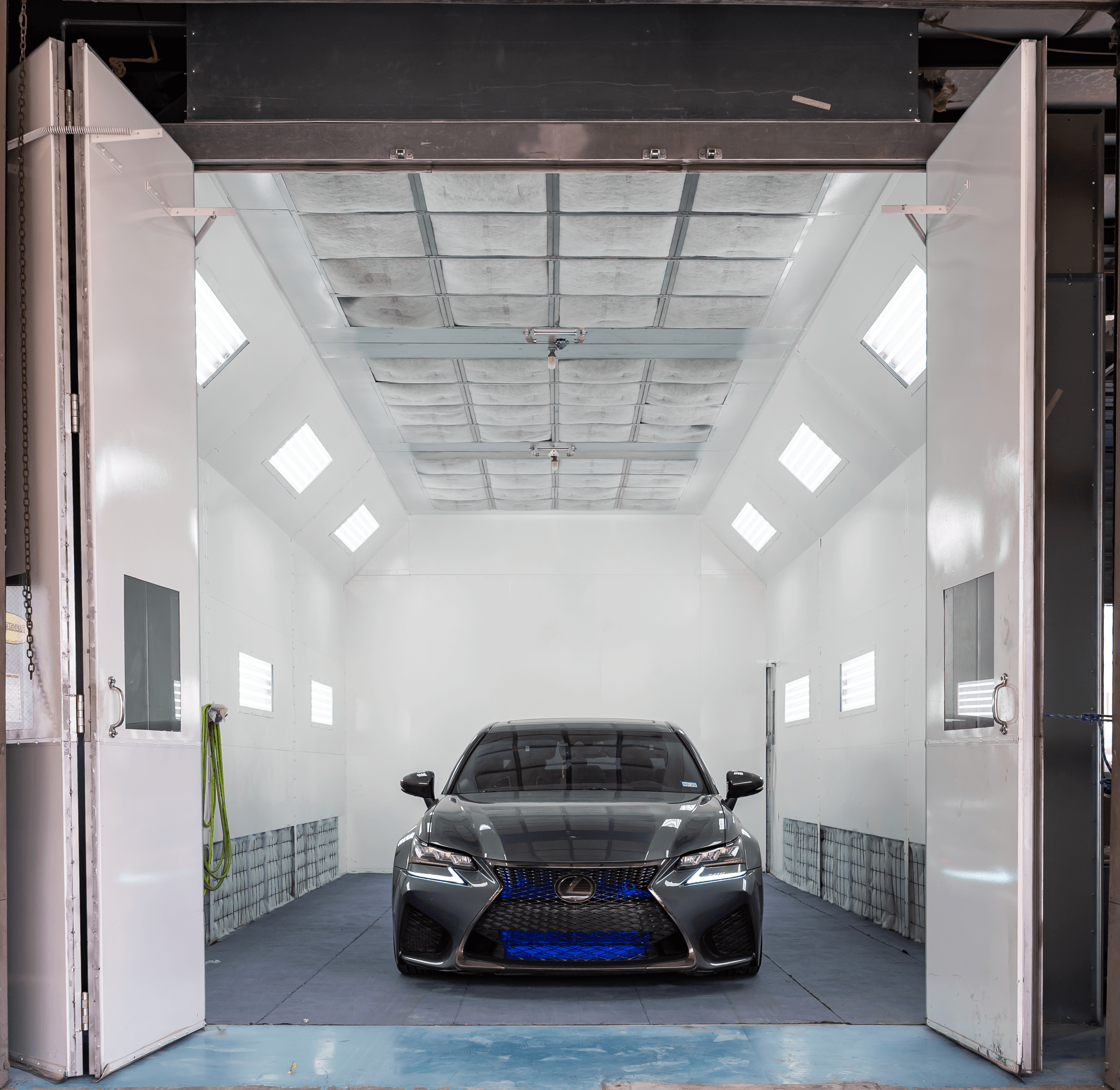
Purchasing a spray booth is a significant investment that impacts production efficiency, finish quality, operating costs, and compliance for years to come. Yet many buying decisions are made based on limited comparisons, often focusing on price or basic dimensions alone.
A spray booth is not just a piece of equipment. It is an engineered system involving airflow, filtration, heating, controls, and safety integration. Asking the right questions upfront helps avoid costly mistakes, delays, and long-term operational issues.
Below are ten critical questions every manufacturer should ask before purchasing a spray booth.
1. Is the Booth Properly Engineered for My Application?
Not all booths are designed for the same processes. Coating type, part size, and production volume all influence design requirements.
Key considerations:
- Liquid vs. powder coating
- Part geometry and size
- Production throughput
- Manual vs. automated spraying
A booth designed without these factors in mind may struggle to deliver consistent results.
2. What Airflow Design Is Being Used?
Airflow is the foundation of booth performance. Different booth styles—crossdraft, downdraft, side-draft—affect how air moves through the workspace.
Ask:
- What face velocity is the booth designed for?
- How is airflow distributed across the work area?
- How does the design prevent turbulence or dead zones?
Improper airflow design leads to overspray buildup, poor finish quality, and safety concerns.
3. How Is Air Balance Managed?
A spray booth must balance exhaust air and make-up air to operate correctly.
Questions to ask:
- Is a make-up air unit included or required?
- How is negative or positive pressure controlled?
- What happens when filters begin to load?
Poor air balance can introduce contaminants, affect temperature control, and reduce efficiency.
4. What Are the Airflow and Energy Requirements?
Operating costs are driven largely by how much air the system moves and conditions.
Important questions:
- What is the total airflow (CFM)?
- What size fans and motors are required?
- How much energy will the system consume during operation?
Understanding these factors helps estimate long-term operating expenses.
5. Is the Equipment Properly Listed and Code-Compliant?
Compliance is critical for safety, permitting, and liability.
- Is the equipment listed by a recognized testing laboratory?
- Does the design meet applicable fire and electrical codes?
- Will documentation be provided for inspections?
Unlisted or poorly documented equipment can delay installation and create compliance risks.
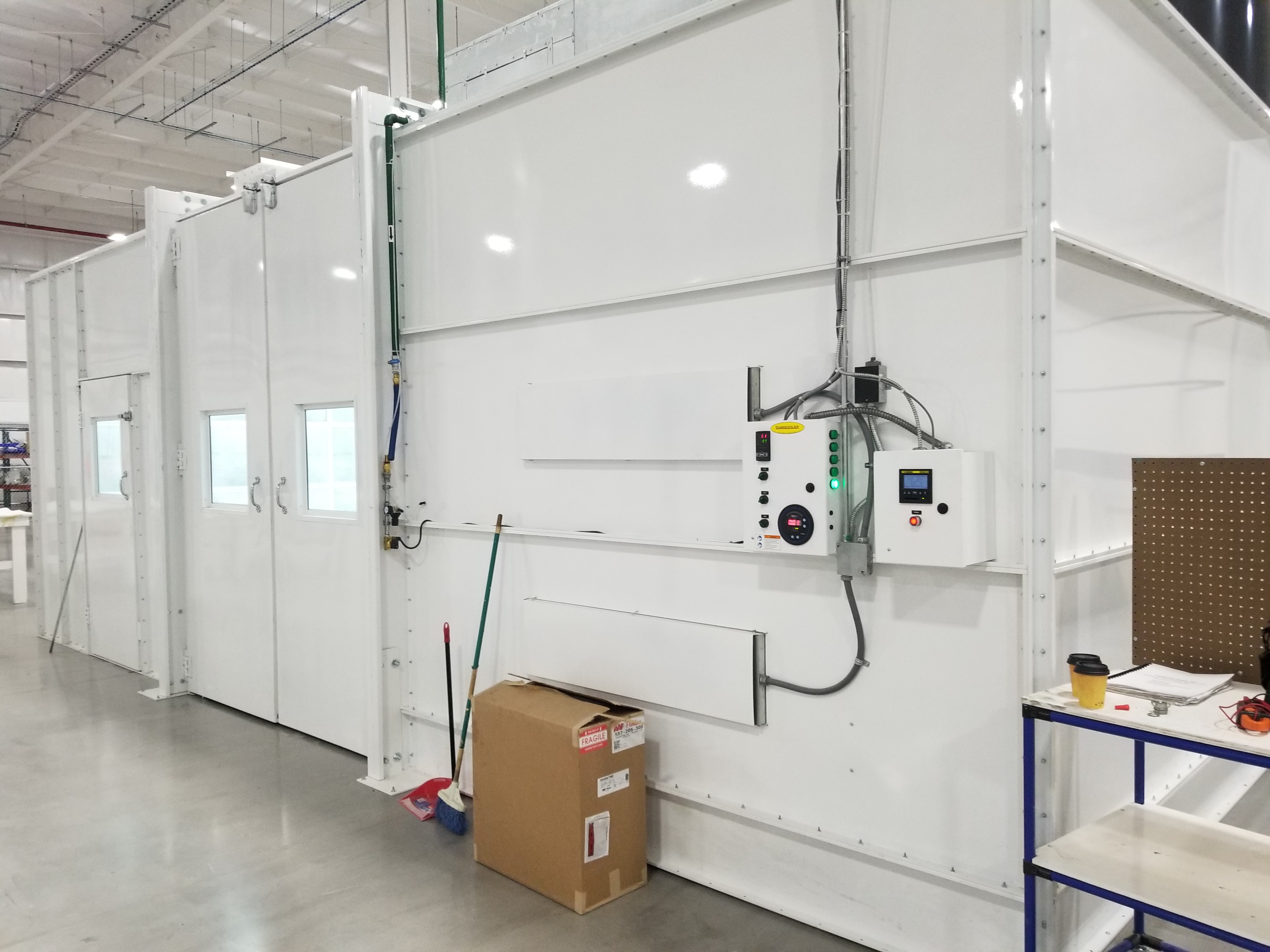
6. What Is Included in the Scope of Supply?
Not all proposals include the same components. Scope gaps often lead to unexpected costs later.
Clarify:
- Are fans, filters, controls, and ducting included?
- Is installation included or separate?
- Are electrical and gas connections part of the scope?
A lower upfront price may reflect missing components rather than actual savings.
7. How Will the Booth Be Installed?
Installation is a critical phase that affects both timeline and cost.
Questions to consider:
- What site preparation is required?
- How long will installation take?
- What trades are needed (electrical, mechanical, gas)?
Understanding installation requirements helps prevent delays and production disruptions.
8. How Easy Is the System to Maintain?
Maintenance affects uptime, labor cost, and long-term reliability.
- How often do filters need to be replaced?
- Are components easily accessible?
- Are replacement parts standardized?
Poorly designed systems increase maintenance effort and downtime.
9. Can the System Support Future Growth?
Production needs often change over time.
Consider:
- Can the booth handle increased throughput?
- Is there flexibility for larger parts?
- Can the system integrate with ovens or conveyors later?
Planning for growth helps avoid premature equipment replacement.
10. What Support and Documentation Are Provided?
Long-term performance depends on more than just the equipment itself.
- Will engineering drawings be provided?
- Is startup or commissioning support included?
- Is technical support available after installation?
Proper documentation and support simplify operation, maintenance, and compliance.
Making an Informed Decision
Choosing the right spray booth requires more than comparing dimensions or price. It requires understanding how the system will perform in your specific production environment.
By asking these questions, manufacturers can:
- Avoid costly scope gaps
- Ensure compliance with applicable standards
- Improve finish quality and consistency
- Reduce long-term operating costs
- Support future production needs
California Pulse works with manufacturers to design spray booth systems that align with real production requirements, facility constraints, and long-term operational goals—helping ensure that finishing equipment performs as intended from day one. Get a free quote today!