Finishing Equipment Trends to Watch in 2026
October 27, 2026
Explore finishing equipment trends for 2026 including spray booth airflow engineering, powder coating systems, conveyor integration, and digital process controls.
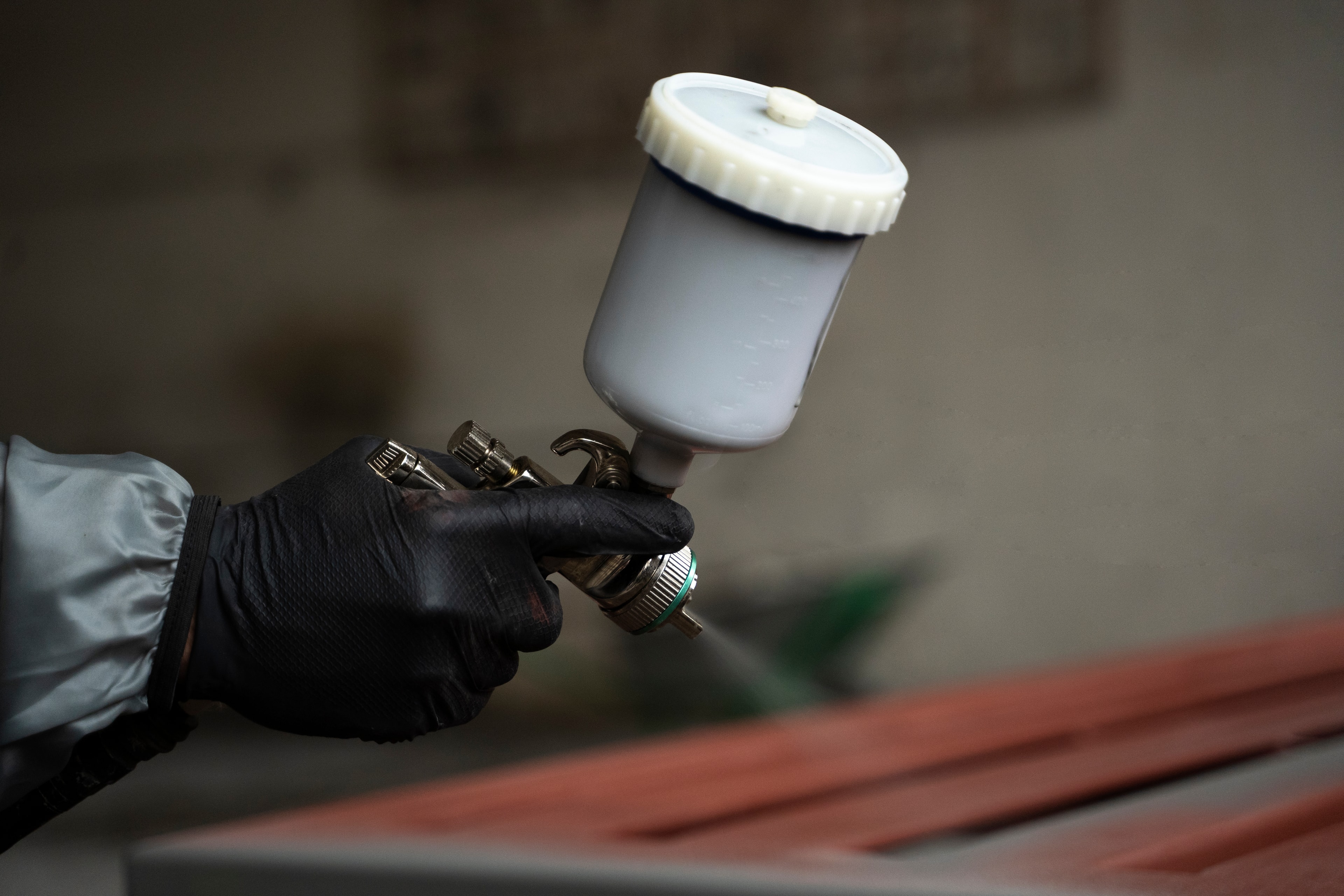
Industrial finishing operations are under increasing pressure to reduce energy consumption, meet tightening environmental regulations, and produce higher-quality output with fewer operators on the floor. These demands are reshaping how shop owners and facility managers evaluate spray booths, curing ovens, and complete finishing lines. Equipment purchased today will define production capability for the next decade, making informed procurement decisions more consequential than ever.
This post examines the most significant trends shaping finishing equipment design and deployment heading into 2026, including advances in airflow management, controls technology, powder coating adoption, and infrastructure integration. Each area carries practical implications for shops evaluating new equipment or upgrading existing systems.
Electrostatic and High-Transfer Powder Coating Systems
Powder coating continues to displace liquid finishing in applications where durability, throughput, and compliance with volatile organic compound limits are priorities. The technology has matured considerably, and the 2026 landscape reflects that maturity in specific, measurable ways.
- Transfer efficiency: Modern electrostatic guns are achieving transfer efficiency rates above 95 percent on flat panels, reducing material waste and reclaim system loads compared to earlier-generation equipment.
- Oven profile optimization: Cure oven designs are incorporating tighter airflow baffling and zone-specific temperature control to accommodate mixed part geometries on a single conveyor pass.
- Low-cure chemistry compatibility: Equipment manufacturers are configuring ovens for lower cure temperature profiles, between 275°F and 325°F, to support newer powder formulations that reduce energy draw per cycle.
- Multi-stage pretreatment integration: Five- and seven-stage wash systems are being paired directly with powder lines to eliminate manual handling between cleaning and coating stages.
- Color-change capability: Booth designs with quick-purge recovery systems are shortening color-change downtime from 20 or more minutes to under five minutes in high-mix environments.
Precision Airflow Engineering in Spray Booths
Airflow design has always determined finish quality, but engineering standards in 2026 are more precise than the industry has historically applied. Computational fluid dynamics modeling is now part of the design process for mid-tier and custom spray booth configurations, not just large aerospace or rail installations.
- Cross-draft versus downdraft selection: Downdraft designs remain the standard for high-quality automotive and aerospace finishes, while cross-draft configurations continue to serve general industrial applications where floor-level prep work is less critical.
- Variable air volume systems: Variable frequency drives on exhaust fans are reducing energy consumption by 30 to 50 percent compared to fixed-speed systems by matching airflow to actual booth demand rather than running at full capacity continuously.
- Air replacement efficiency: Makeup air units designed for higher sensible heat ratio performance are reducing the energy cost of conditioning replacement air during winter or high-humidity operating conditions.
- Filter loading sensors: Pressure differential monitoring tied to building management systems is replacing calendar-based filter change schedules, reducing labor costs and preventing finish quality degradation from partially blocked filters.
- Booth pressurization control: Automated pressurization management systems are holding booth interior pressure within tighter tolerances, reducing particulate intrusion from adjacent shop areas.
Conveyor and Automated Handling Integration
Manual part handling between finishing stages is a documented source of rework, contamination, and cycle time variability. Automated conveyor systems are increasingly being specified as part of complete finishing line designs rather than as afterthoughts added to existing equipment.
- Power and free conveyors: These systems allow individual carriers to stop, index, and accumulate independently, enabling finishing lines to serve multiple booth and oven zones without creating bottlenecks.
- Overhead monorail systems: Monorail configurations serve smaller floor footprints and lower capital budgets while still providing consistent part orientation through wash, coat, and cure stages.
- Load cell integration: Weighing carriers as parts enter the line allows automated routing by part weight or geometry, reducing manual operator decisions about cure time and temperature settings.
- Inverted conveyors: Floor-mounted inverted systems are gaining adoption in woodworking and flat-panel applications where hanging parts is impractical.
Digital Controls and Remote Monitoring
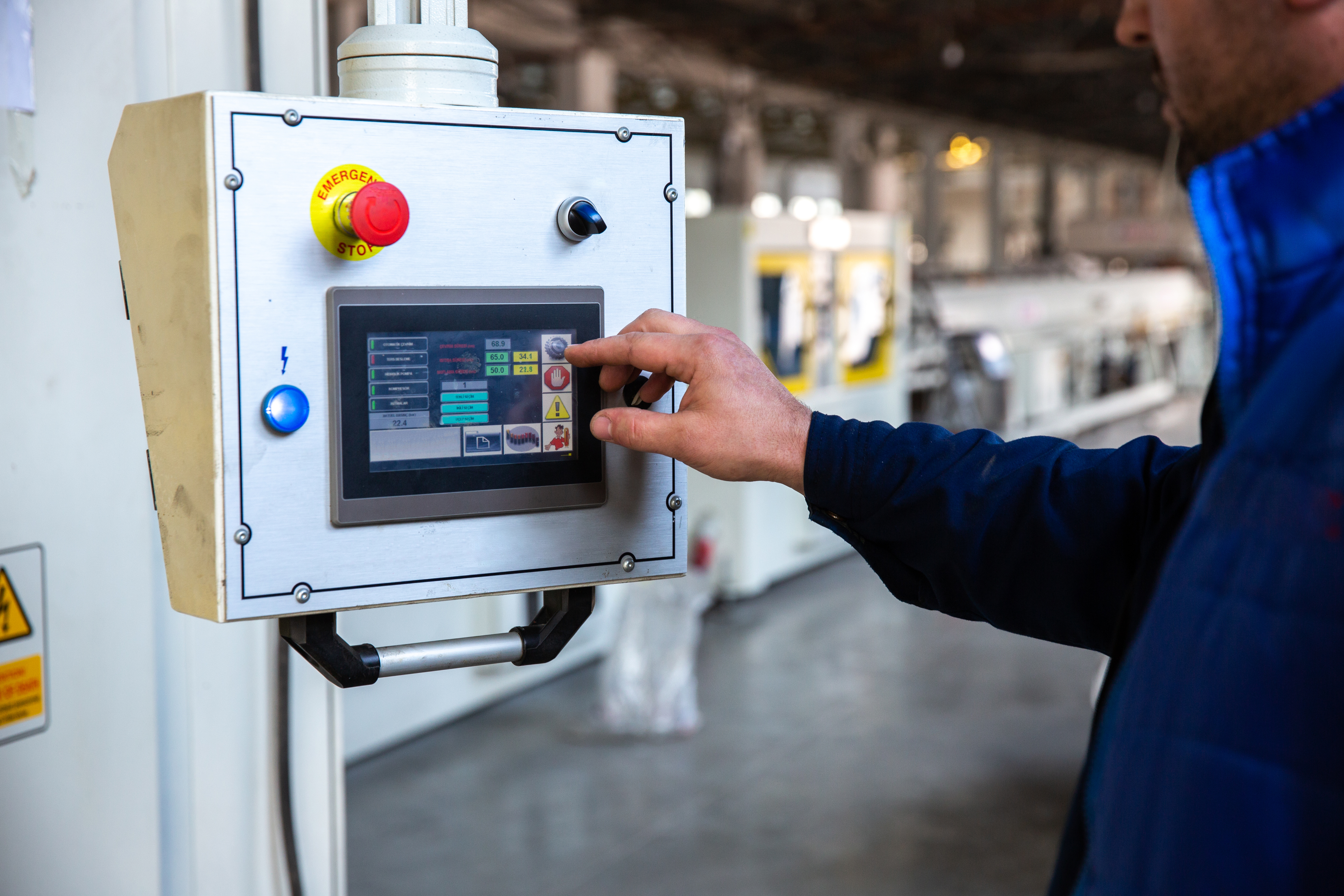
Process control systems in finishing equipment are incorporating connectivity features that were previously available only in high-volume automotive or aerospace lines. These capabilities are now standard or near-standard in industrial-grade equipment configurations.
- PLC-based recipe management: Programmable logic controllers storing curing profiles, airflow parameters, and temperature set points allow operators to recall validated process settings for repeat jobs without manual re-entry.
- Remote diagnostics: Ethernet-connected equipment allows equipment service technicians to access fault logs, sensor readings, and operational data without traveling to the facility, reducing diagnostic time and service cost.
- Energy monitoring integration: Real-time kilowatt-hour tracking tied to production counts allows facility managers to calculate energy cost per part, a metric that directly supports cost reduction initiatives.
- Data logging for compliance: Automated temperature and airflow data logging creates audit-ready records for finishing operations subject to aerospace, automotive, or environmental compliance documentation requirements.
Thermal Management and Energy Recovery in Cure Ovens
Curing ovens represent the largest single energy draw in most finishing operations. Design improvements in thermal management are changing the operating economics of powder coating and liquid finishing systems.
- Recirculating airflow design: Ovens with high-efficiency recirculating fans and tightly sealed door gaskets are holding temperature uniformity to within plus or minus 5°F across the cure zone, meeting AMS 2750 and CQI-11 process requirements.
- Heat recovery systems: Exhaust heat recovery exchangers are reducing natural gas consumption in continuous ovens by recapturing thermal energy from outgoing airflow and transferring it to incoming fresh air.
- Modular oven construction: Panel-based oven construction allows chambers to be extended, reconfigured, or relocated as production requirements change without requiring full replacement.
- Infrared pre-heat zones: Infrared emitter zones ahead of convection cure sections are reducing total cure time on thick or complex substrates by accelerating initial surface temperature rise.
Summary
The finishing equipment market heading into 2026 is defined by tighter process control, lower energy intensity, and greater integration between individual system components. Shops that evaluate equipment based on throughput capacity alone will consistently underperform facilities that match airflow engineering, controls capability, and conveyor design to their specific production requirements. Sound equipment decisions require understanding these trends in technical terms and applying them to actual operating conditions.
Why Choose California Pulse for Finishing Equipment
We design and manufacture spray booths, powder coating ovens, conveyor systems, and complete finishing lines from our facility in Apple Valley, California, selling direct without distributor margins. Our engineering team works with each customer to configure equipment that matches their production volume, part geometry, industry compliance requirements, and available floor space.
We provide post-sale technical support, replacement parts, and system integration services because the equipment we build is intended to operate reliably for the life of a customer's finishing operation. Whether the project involves a single spray booth or a fully automated multi-stage finishing line, we apply the same engineering rigor to specification, fabrication, and commissioning.