Optimizing Your Industrial Mixing Room Design for Efficient Mixing Room Layouts
June 29, 2026
Designing an industrial mixing room requires precision and strategic planning. The goal is to create a space that maximizes productivity, safety, and compliance with industry standards. Efficient mixing room layouts reduce downtime, improve workflow, and ensure consistent product
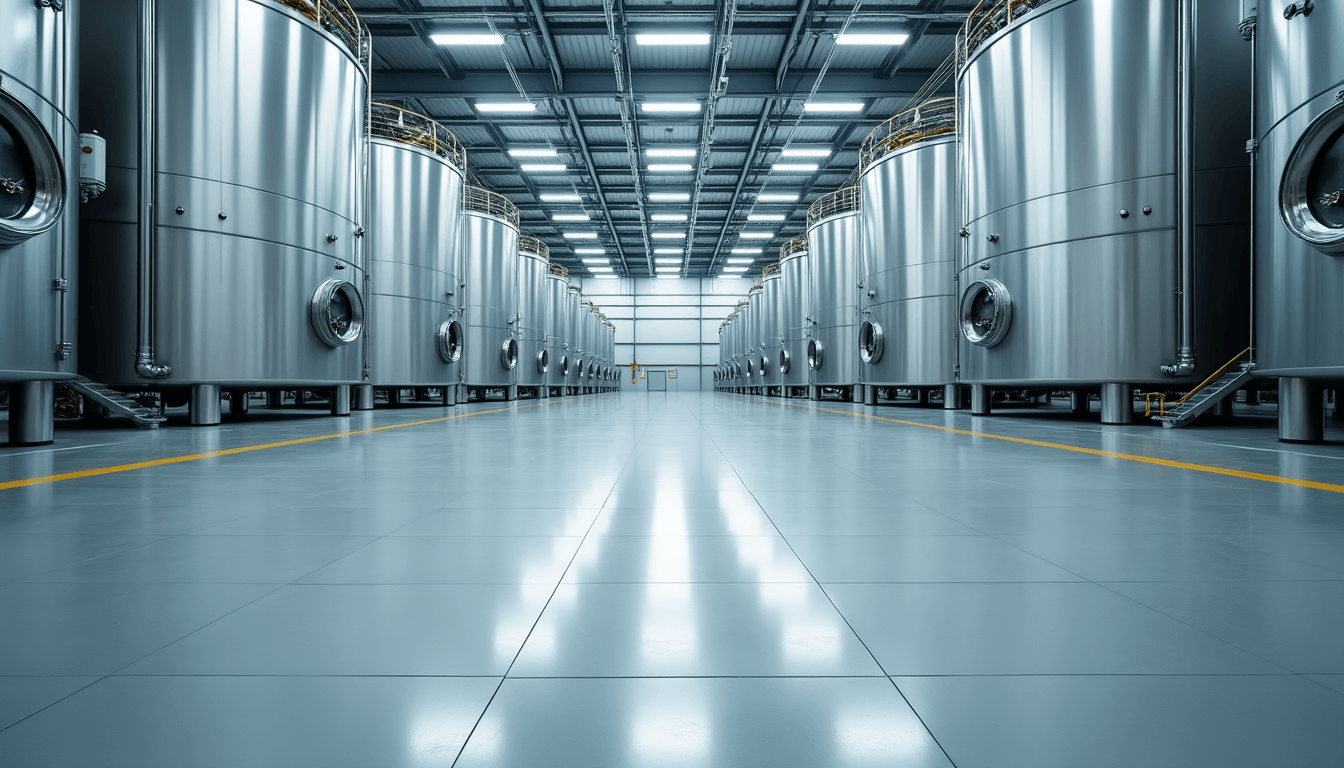
Designing an industrial mixing room requires precision and strategic planning. The goal is to create a space that maximizes productivity, safety, and compliance with industry standards. Efficient mixing room layouts reduce downtime, improve workflow, and ensure consistent product quality. I will guide you through key considerations and practical steps to optimize your industrial mixing room design.
Planning Efficient Mixing Room Layouts
The foundation of an efficient mixing room is its layout. A well-planned layout minimizes unnecessary movement and streamlines the mixing process. Start by mapping out the workflow from raw material intake to final product output. This helps identify the best placement for equipment, storage, and workstations.
Key layout principles include:
- Logical flow: Arrange equipment in the order of the mixing process to avoid backtracking.
- Space optimization: Allocate enough room for operators to move safely and handle materials.
- Accessibility: Ensure all equipment is easy to reach for operation and maintenance.
- Segregation: Separate clean and dirty areas to prevent contamination.
For example, place raw material storage near the mixing tanks but away from finished product storage. This reduces cross-contamination risks and speeds up material handling.
Selecting the Right Equipment and Materials
Choosing the right equipment is critical for an efficient mixing room. Equipment should match the production volume and product specifications. Consider mixers with variable speed controls for flexibility. Use corrosion-resistant materials for tanks and piping to extend equipment life.
Recommendations for equipment selection:
- Mixers: Select based on viscosity and batch size.
- Storage tanks: Use stainless steel or coated tanks for chemical resistance.
- Piping and valves: Opt for materials compatible with your products.
- Ventilation systems: Install to control fumes and maintain air quality.
Incorporate automation where possible to reduce manual errors and improve consistency. Automated dosing systems and programmable logic controllers (PLCs) can enhance precision and reduce waste.
Ensuring Safety and Compliance
Safety is non-negotiable in industrial mixing rooms. Design the space to comply with OSHA and local regulations. Proper ventilation, fire suppression systems, and spill containment are essential.
Safety measures to implement:
- Ventilation: Use exhaust fans and air filtration to remove hazardous fumes.
- Fire safety: Install sprinklers, fire extinguishers, and flame-proof electrical fixtures.
- Spill control: Design floors with containment curbs and use chemical-resistant coatings.
- Personal protective equipment (PPE): Provide easy access to gloves, goggles, and respirators.
Regularly train staff on safety protocols and emergency procedures. Clear signage and well-marked exits improve response times during incidents.
Optimizing Workflow and Productivity
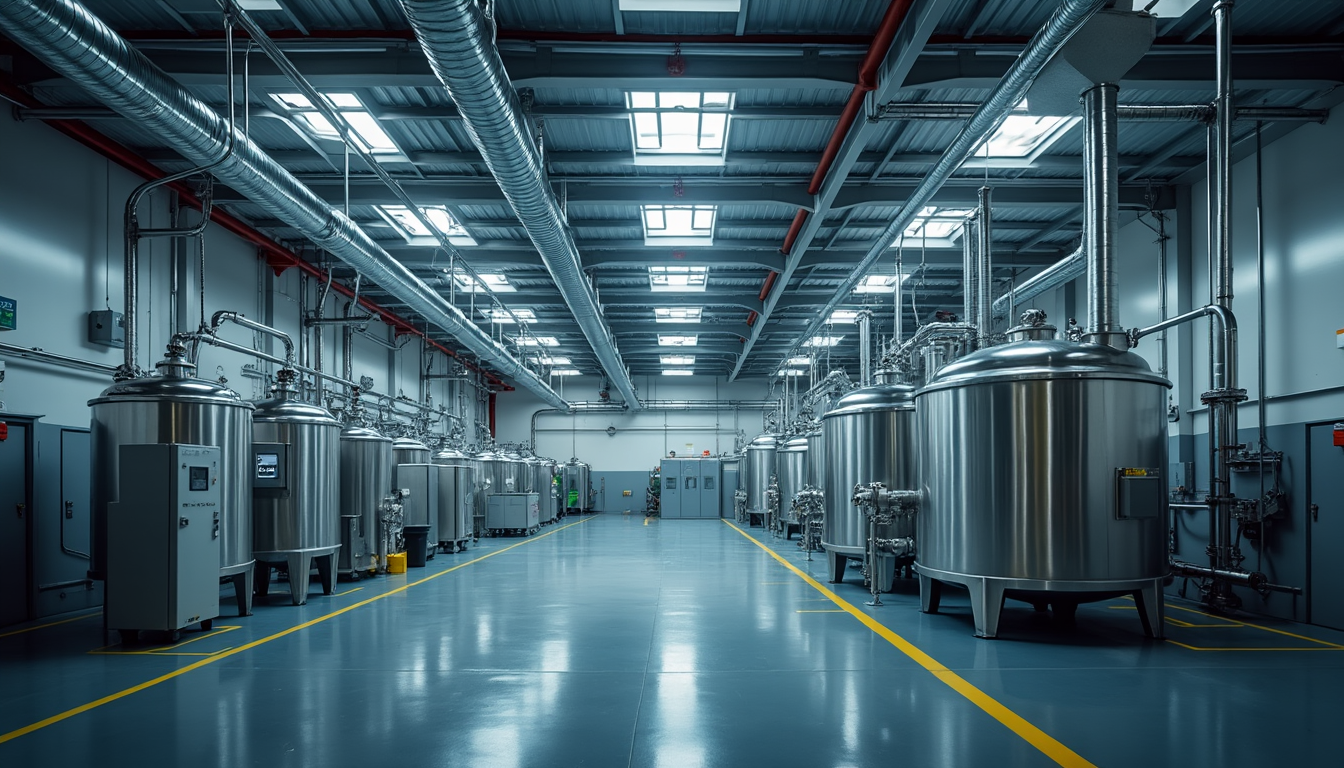
An efficient workflow reduces bottlenecks and increases output. Use lean manufacturing principles to identify and eliminate waste in the mixing process. Organize tools and materials using 5S methodology (Sort, Set in order, Shine, Standardize, Sustain).
Tips to improve workflow:
- Standardize procedures: Develop clear mixing protocols and checklists.
- Minimize movement: Position frequently used items within arm’s reach.
- Use visual management: Label equipment and storage areas clearly.
- Schedule maintenance: Prevent downtime with regular equipment checks.
Implementing these practices leads to faster batch turnaround and consistent product quality.
Integrating Technology for Monitoring and Control
Modern industrial mixing rooms benefit from technology integration. Real-time monitoring systems track temperature, mixing speed, and batch times. Data collection helps identify inefficiencies and maintain quality control.
Technology options include:
- Sensors: Monitor critical parameters automatically.
- SCADA systems: Provide centralized control and data visualization.
- Automated alarms: Alert operators to deviations or equipment failures.
Investing in technology supports proactive maintenance and reduces the risk of costly errors.
Final Thoughts on Industrial Mixing Room Design
Optimizing your industrial mixing room design is a strategic investment. Efficient layouts, the right equipment, safety compliance, streamlined workflows, and technology integration all contribute to improved performance. I recommend reviewing your current setup regularly and making incremental improvements.
For businesses seeking expert guidance, exploring industrial mixing rooms design resources can provide valuable insights tailored to your industry needs. A well-designed mixing room supports your production goals and ensures long-term operational success.