California Pulse
Industrial Finishing Solutions
Industrial finishing is the last operation on a manufactured part and the first thing a customer sees. It covers everything that happens after fabrication: cleaning, surface preparation, coating application, flash-off, and curing. Together those steps decide how the part looks, how long it resists corrosion and UV, and whether it passes inspection. A finishing system is not a single machine. It is a matched set of enclosures, airflow, filtration, heat, and controls, sized around one specific process and one specific part.
California Pulse designs and manufactures those systems in Apple Valley, California. This page explains the finishing processes we build equipment for most often, how each one works, what equipment it needs, and where the codes and California air quality rules apply. Each process has its own page with the full detail.
The industrial finishing processes
Most industrial finishing work falls into one of these processes. They are not interchangeable. Each one puts different demands on airflow velocity, filtration, heat, electrical classification, and floor space, and choosing the wrong one is an expensive mistake to correct after the concrete is poured.
Powder Coating
A dry thermoset powder is applied electrostatically to a grounded part, then fused and cross-linked in a cure oven at 350°F to 400°F. There are no solvents and no VOC emissions from the coating itself, and unused overspray can be reclaimed and re-sprayed. The trade-off is that the substrate has to be conductive and able to survive the cure temperature. We build the booths, cure ovens, reclaim systems, and batch or conveyorized lines.
Learn MoreLiquid Coating
Solvent-borne coatings such as 2K polyurethanes, epoxy primers, enamels, and high-solids topcoats are sprayed wet and cure by evaporation and chemical cross-linking. Liquid handles substrates powder cannot: heat-sensitive assemblies, plastics, wood, composites, and parts too large for any oven. Because the solvents are flammable, these booths carry the heaviest code burden of the four. Crossdraft, semi-downdraft, side downdraft, and full downdraft designs.
Learn MoreWhat every finishing system has in common
Whatever the coating, the equipment is solving the same five problems. How you solve them changes with the process; that you have to solve them does not.
- Containment. An enclosure that keeps overspray, dust, and fumes off the rest of the plant and off the part being coated.
- Airflow. A defined air pattern and velocity that carries overspray away from the operator and the finish, and keeps solvent concentrations well below the lower explosive limit.
- Filtration. Intake filtration for the air reaching the part, and exhaust filtration to capture overspray before it leaves the building.
- Heat. Make-up air heat so the booth is not pulling unconditioned outside air across wet paint, plus cure or force-dry heat sized to the coating's schedule.
- Controls and safety interlocks. Fan and spray permissives, airflow proving, temperature limits, and the purge and shutdown logic the codes require.
How to choose a finishing process
In practice the decision is driven by the part, not by preference. Work through these in order and the choice usually makes itself.
- Substrate. Conductive metal opens the door to powder. Plastics, composites, and wood generally do not, unless a conductive primer is used.
- Heat tolerance. If the assembly contains bearings, seals, electronics, glass, or adhesives that cannot see 400°F, powder is off the table or the part must be coated before assembly.
- Part size and weight. Oven and booth dimensions, door openings, and whether the part hangs from a conveyor or sits on a cart drive the whole building layout.
- Volume and mix. High volume of similar parts favors a conveyorized line. Low volume with a wide mix favors batch equipment and manual application.
- Finish specification. Film build, gloss, color match, edge coverage, and whether the customer specifies a particular coating system or a salt-spray hours requirement.
- Permitting. Your local air district's VOC limits and permit thresholds may make a low-VOC process the practical choice regardless of everything above.
Codes, listings, and California air quality
Industrial finishing equipment is regulated on two separate tracks, and they are approved by different agencies on different timelines. Treating them as one process is the most common reason a finishing project slips.
The safety track covers the equipment and the installation. Spray application of flammable and combustible materials is evaluated against NFPA 33, ovens and furnaces against NFPA 86, and both against the OSHA general industry standards and the electrical and mechanical codes your jurisdiction has adopted. Powder adds combustible dust considerations. The Authority Having Jurisdiction, usually the fire marshal or building department, has the final say on the installed system.
The emissions track is separate. In California, spray finishing operations are permitted by regional air districts such as SCAQMD, SJVAPCD, and BAAQMD, each with its own VOC content limits, transfer efficiency requirements, and permit thresholds. Air permits run on their own timeline and are worth identifying at the start of a project rather than at installation.
California Pulse offers full-system ETL listings on applicable product lines. Many suppliers assemble booths from individually listed components, which leaves the finished assembly unlisted. A full-system listing gives an inspector a single mark to verify rather than a folder of component certificates.
Full detail on NFPA 33, NFPA 86, OSHA, ETL listings, and AHJ permitting.
Frequently asked questions
What is industrial finishing?
Which finishing process is best for my parts?
Can one booth handle more than one process?
How much space does an industrial finishing system need?
Do I need a permit for a spray booth or industrial oven?
What does an ETL listing on a finishing system mean?
How long does a finishing system take to design and install?
Can an existing booth be upgraded instead of replaced?
What drives the operating cost of a finishing system?
Does California Pulse build custom finishing equipment?
Equipment
Related equipment
- Powder coating booths and ovensApplication booths, reclaim, and cure ovens engineered as one system.
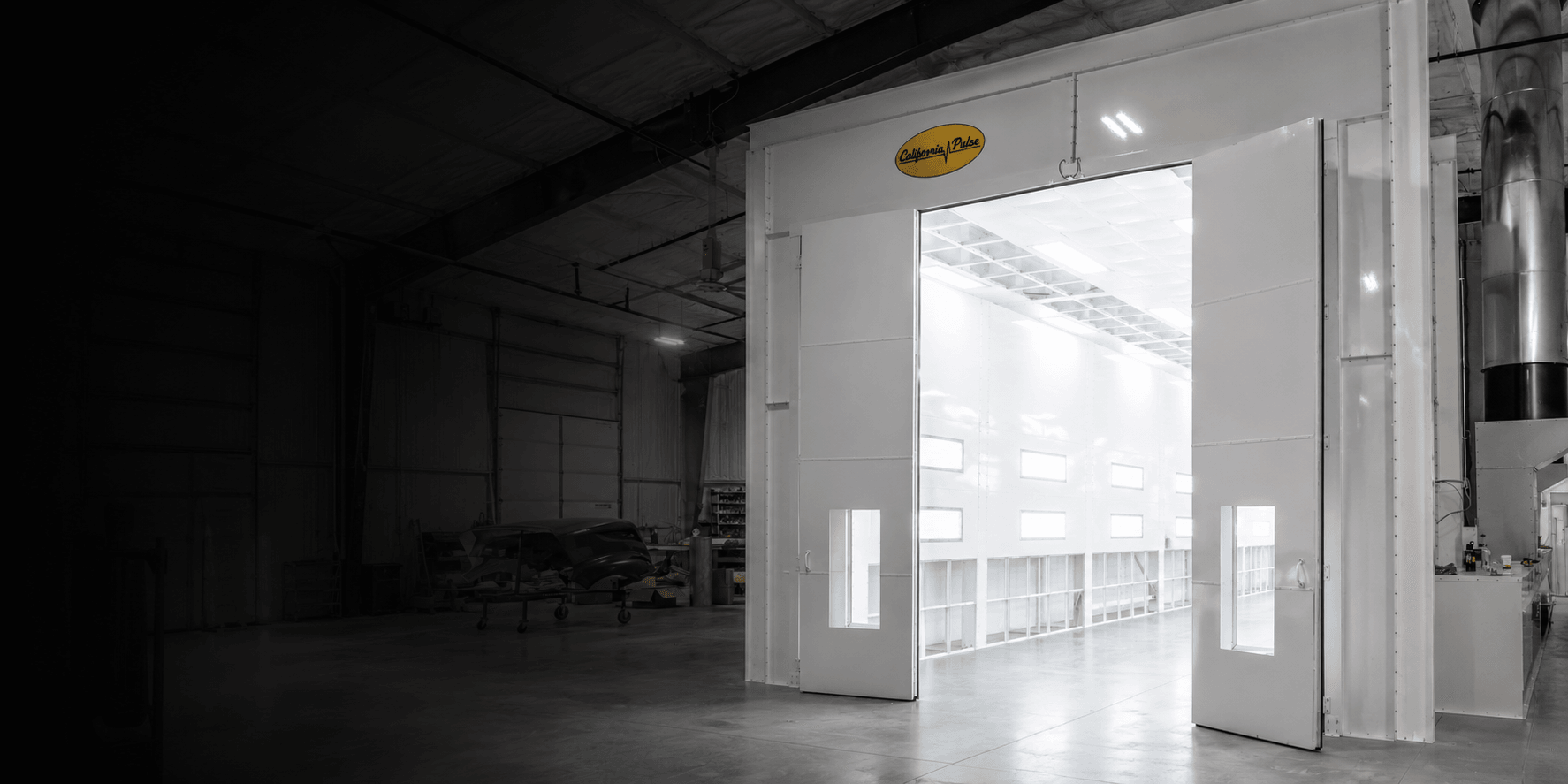 Industrial spray booth rangeThe full catalogue of booth types California Pulse builds, from open face to fully enclosed downdraft.
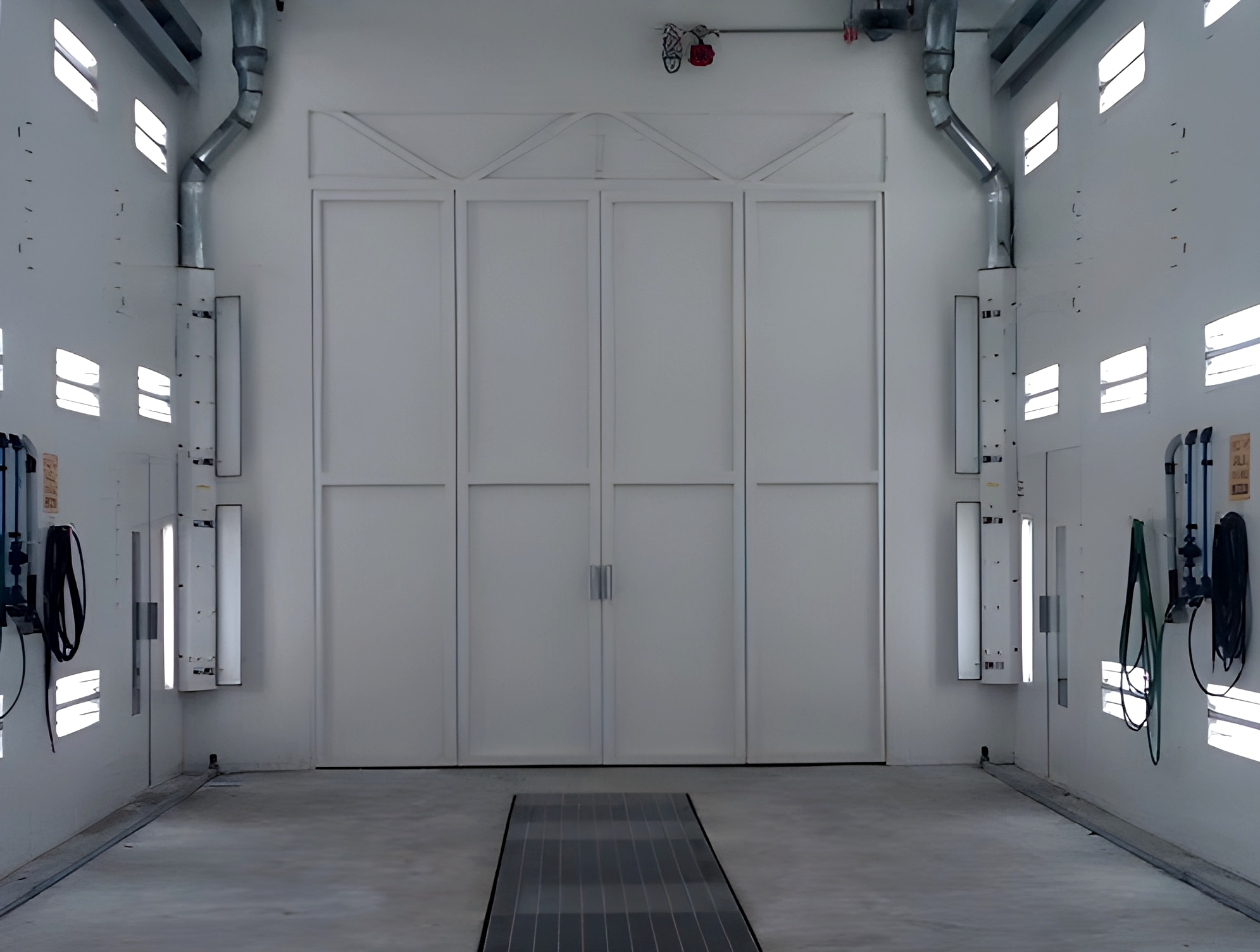 Convection drying systemsControlled recirculating heat for faster flash-off and force dry.
Ready to build a custom solution for your business?
Before you specify
Worth reading first
- Powder Coating Booth DesignOpen face versus enclosed, airflow and containment, interior surfaces, grounding, and how color change strategy shapes the booth before it is built.
- How to Choose an Industrial Spray BoothThe complete buyer's guide, from the part you finish to the manufacturer you choose, in the order the decisions should be made.