Best Spray Booth Configurations for Automotive Shops
April 2, 2026
In automotive refinishing, your spray booth isn’t just a piece of equipment—it’s the heartbeat of your operation. The right configuration can dramatically impact finish quality, throughput, energy efficiency, and even technician satisfaction. The wrong one? It can bottleneck prod
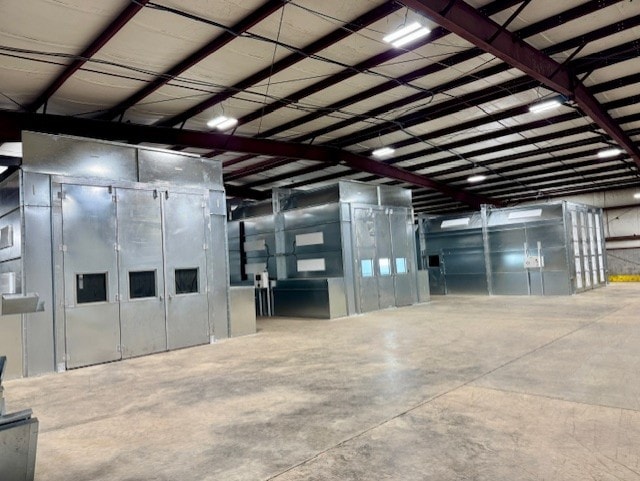
In automotive refinishing, your spray booth isn’t just a piece of equipment—it’s the heartbeat of your operation. The right configuration can dramatically impact finish quality, throughput, energy efficiency, and even technician satisfaction. The wrong one? It can bottleneck production, inflate operating costs, and lead to inconsistent results.
So how do you choose the best spray booth configuration for your shop?
Let’s break it down.
Understanding the Core Booth Types
Before diving into “best,” it’s important to understand the primary spray booth configurations used in automotive shops today.
1. Crossdraft Booths
Crossdraft booths pull air horizontally from one end of the booth to the other.
Pros:
- Lower upfront cost
- Simple design and installation
- Suitable for small shops or light workloads
Cons:
- Airflow passes over the vehicle, increasing contamination risk
- Less consistent finishes compared to other designs
- Overspray can settle on painted surfaces
Best for: Budget-conscious shops or low-volume operations
2. Semi-Downdraft Booths
These booths introduce air from the ceiling at the front and exhaust it at the rear floor or wall.
- Improved airflow direction compared to crossdraft
- Better finish quality
- Moderate cost
- Still not optimal for high-end finishes
- Airflow is not fully vertical
Best for: Mid-size shops balancing cost and performance
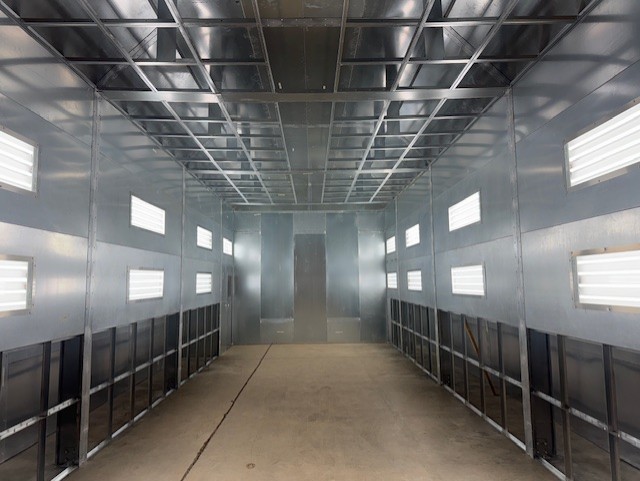
3. Downdraft Booths
Downdraft booths pull air vertically from the ceiling down through the floor.
- Superior finish quality
- Minimal contamination
- Even airflow across the entire vehicle
- Higher installation cost (especially with pits)
- Requires more planning and infrastructure
Best for: High-end automotive shops, collision centers, and OEM-level refinishing
4. Side Downdraft Booths
A hybrid approach—air flows from the ceiling and exits through the lower side walls.
- Performance close to full downdraft
- Lower installation cost (no pit required)
- Efficient use of space
- Slightly less uniform airflow than full downdraft
Best for: Shops wanting near-premium performance without full downdraft cost
Key Factors That Determine the “Best” Configuration
There’s no universal answer—only what’s best for your specific operation. Here’s what actually matters:
Production Volume
If you're pushing multiple vehicles per day, airflow quality and cure efficiency become critical. Downdraft or side downdraft booths are typically the right call.
Lower volume? A semi-downdraft may be perfectly sufficient.
Finish Quality Requirements
If your shop handles:
- High-end restorations
- Luxury vehicles
- Insurance-critical collision work
You’ll want the cleanest airflow possible—this strongly favors downdraft configurations.
Available Space & Facility Constraints
- Limited ceiling height? Full downdraft pits may not be feasible
- Retrofitting an existing building? Side downdraft or semi-downdraft may be more practical
Your building often dictates your options more than your preferences.
Energy Efficiency & Operating Costs
Booth configuration directly impacts:
- Air volume requirements
- Heating costs (especially in bake cycles)
- Filter usage
Modern booths with variable frequency drives (VFDs) and smart airflow controls can significantly reduce operating costs—regardless of configuration.
Code Compliance & Safety
In California, compliance with fire codes, air quality regulations, and safety standards is non-negotiable.
Your booth configuration must align with:
- Proper airflow velocities
- Explosion-proof components
- Filtration and emissions requirements
Choosing the right design upfront avoids costly retrofits later.
Recommended Configurations by Shop Type
Small Independent Shops
Best Choice: Semi-downdraft
- Affordable
- Solid performance upgrade over crossdraft
- Easier installation
High-Volume Collision Centers
Best Choice: Downdraft with heated bake cycle
- Maximizes throughput
- Ensures consistent, high-quality finishes
- Reduces rework
Growing Mid-Size Shops
Best Choice: Side downdraft
- Strong balance of cost and performance
- Scalable with your business
- No pit construction required
High-End Restoration & Custom Shops
Best Choice: Full downdraft
- Premium finish quality
- Controlled environment
- Ideal for meticulous work
Final Thoughts
Choosing the right spray booth configuration is one of the most impactful decisions an automotive shop can make. It affects everything—from finish quality and cycle times to operating costs and technician productivity.
If you’re unsure which direction to go, the smartest move is to evaluate your:
- Current production demands
- Future growth plans
- Facility limitations
From there, the “best” configuration becomes clear.
Contact California Pulse for a free quote today!