
How Oven Design Impacts Cure Consistency
March 26, 2026
In industrial finishing, achieving a consistent cure is just as important as applying the coating itself. While coating chemistry and application technique play a role, cure consistency is largely determined by oven design.
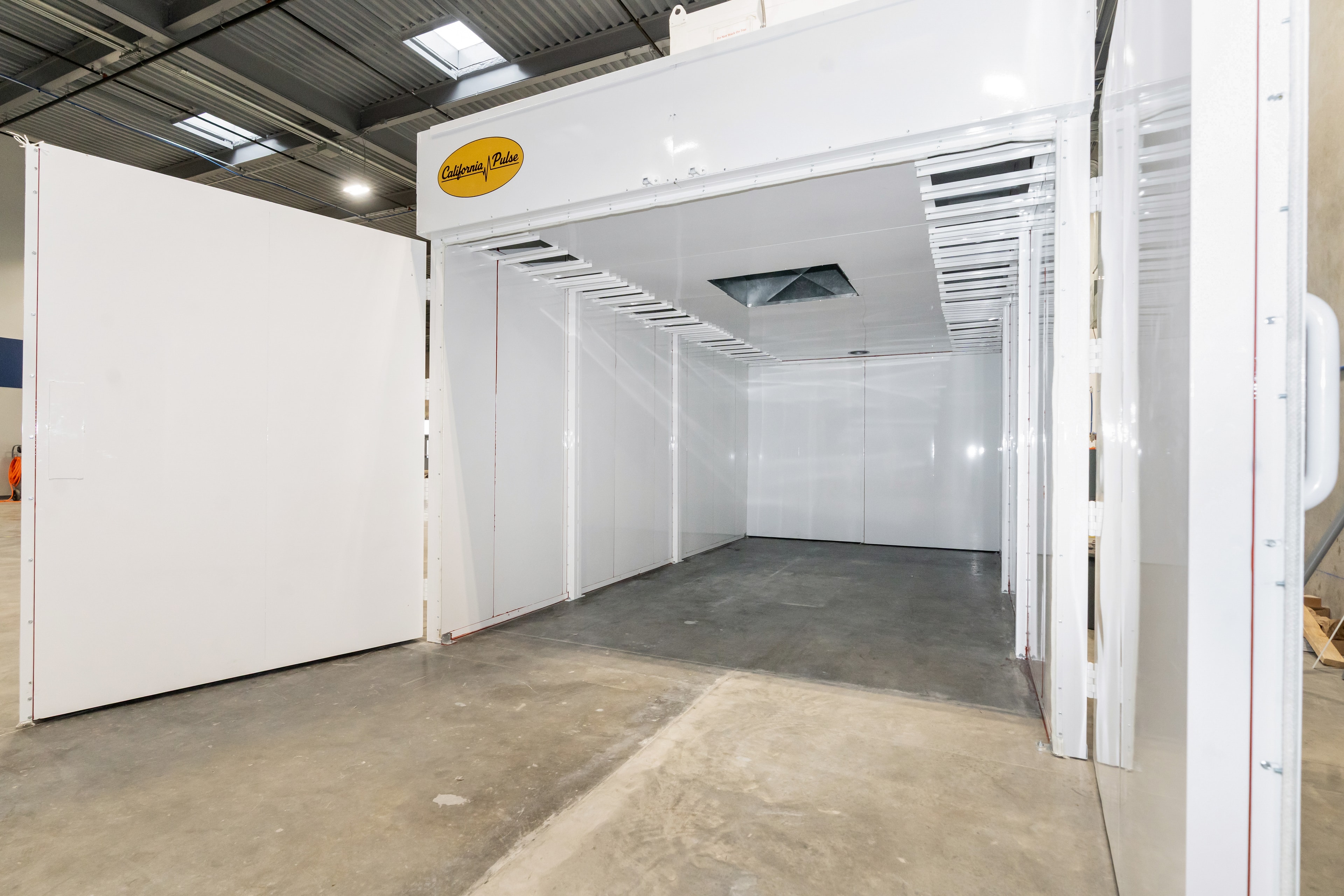
In industrial finishing, achieving a consistent cure is just as important as applying the coating itself. While coating chemistry and application technique play a role, cure consistency is largely determined by oven design.
When ovens fail to deliver uniform, repeatable thermal performance, the result is often:
- Inconsistent coating properties
- Rework or rejected parts
- Reduced throughput
- Increased energy consumption
Understanding how oven design influences cure consistency helps manufacturers identify performance issues and make better equipment decisions.
Cure Consistency Starts with Heat Transfer
Curing is not simply about reaching a target air temperature—it’s about ensuring every part reaches the required part metal temperature (PMT) for the correct duration.
This requires efficient and uniform heat transfer through:
- Convection (primary in most industrial ovens)
- Radiation (from heated surfaces)
- Conduction (within the part itself)
Oven design directly affects how effectively heat is transferred to the part—and how consistently that happens from one cycle to the next.
1. Airflow Distribution Inside the Oven
The most critical factor in cure consistency is how air moves through the oven chamber.
Well-designed ovens use engineered airflow patterns to:
- Distribute heat evenly across all parts
- Eliminate hot and cold zones
- Maintain consistent velocity across surfaces
Poor airflow design can create:
- Temperature stratification
- Dead zones with little air movement
- High-velocity areas that overheat certain sections
Even small airflow imbalances can result in uneven curing, especially for large or complex parts.
2. Recirculation vs. Exhaust Balance
Industrial ovens rely heavily on recirculated air to maintain stable temperatures efficiently. However, some level of exhaust is required to remove solvents, moisture, or combustion byproducts.
If exhaust rates are too high:
- Heated air is removed faster than it can be replaced
- Temperature stability decreases
- Cure times increase
If exhaust is too low:
- Contaminants may accumulate
- Safety and compliance concerns arise
Proper oven design balances recirculation and exhaust to maintain both thermal efficiency and safe operation.
3. Burner Capacity and Heat Input
Consistent curing requires the oven to maintain stable temperatures under varying production conditions.
Oven design must account for:
- Part mass and material type
- Production loading rates
- Heat loss through openings and structure
If burner capacity is insufficient:
- Temperature drops occur when parts enter the oven
- Recovery times increase
- Cure consistency suffers
Oversized systems, however, can lead to temperature overshoot and inefficient operation if not properly controlled.
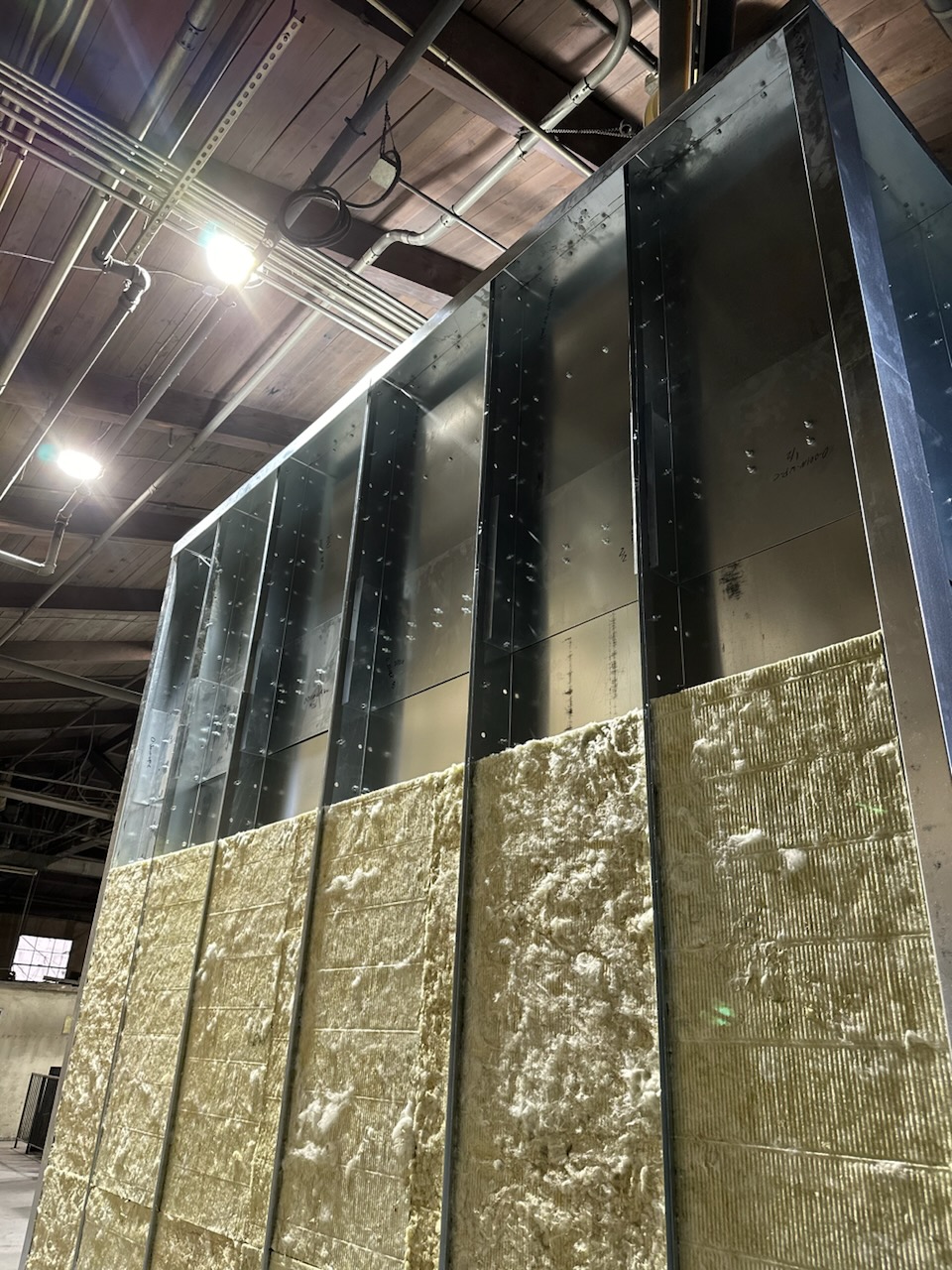
4. Insulation and Thermal Containment
Heat loss directly impacts cure stability.
High-quality insulation and proper sealing help:
- Maintain consistent internal temperatures
- Reduce burner cycling
- Improve energy efficiency
Poor insulation or worn seals can cause:
- Temperature fluctuations
- Increased fuel consumption
- Longer cure cycles
Thermal containment ensures that heat remains where it is needed—around the parts being cured.
5. Air Velocity and Heat Transfer Efficiency
Air velocity within the oven affects how quickly heat is transferred to the part surface.
Too little airflow:
- Slows heat transfer
- Extends cure times
Too much airflow:
- Can create uneven heating
- May disturb lightweight parts or coatings
Engineered airflow velocity ensures that heat transfer is both efficient and uniform across all surfaces.
6. Part Loading and Oven Utilization
Even a well-designed oven can produce inconsistent results if parts are not loaded properly.
Oven design should consider:
- Rack spacing
- Part orientation
- Clearance for airflow
Overloading or improper spacing can restrict airflow, leading to uneven heating and inconsistent curing.
Designing ovens with real production conditions in mind helps maintain consistency under normal operating loads.
7. Control Systems and Temperature Accuracy
Modern ovens rely on control systems to regulate temperature and airflow.
Accurate control depends on:
- Proper sensor placement
- Responsive temperature controls
- Stable feedback systems
If sensors are poorly located or out of calibration:
- Reported temperatures may not reflect actual conditions
- Operators may compensate with longer cure times
- Consistency suffers
Advanced control systems improve repeatability and reduce reliance on manual adjustments.
Engineering for Consistent Results
Cure consistency is not achieved through a single design feature—it is the result of multiple systems working together:
- Airflow distribution
- Heat input and retention
- Air balance
- Control systems
- Production integration
When these elements are properly engineered, ovens deliver repeatable, predictable curing performance.
Designing for Performance and Reliability
Modern oven design focuses on delivering consistent thermal performance under real-world production conditions. By optimizing airflow, heat transfer, and control systems, manufacturers can achieve reliable curing results while minimizing energy consumption and operational variability.
Contact California Pulse for curing systems with a focus on airflow engineering, thermal efficiency, and process consistency!