
Optimizing Wood Finishing Operations: Strategies to Improve Throughput and Finish Consistency
December 17, 2025
High-quality wood finishing depends on more than skilled craftsmanship—it requires the right finishing environments at every stage of production. From surface preparation to coating application and curing, controlled environments reduce contamination, improve consistency, and dra
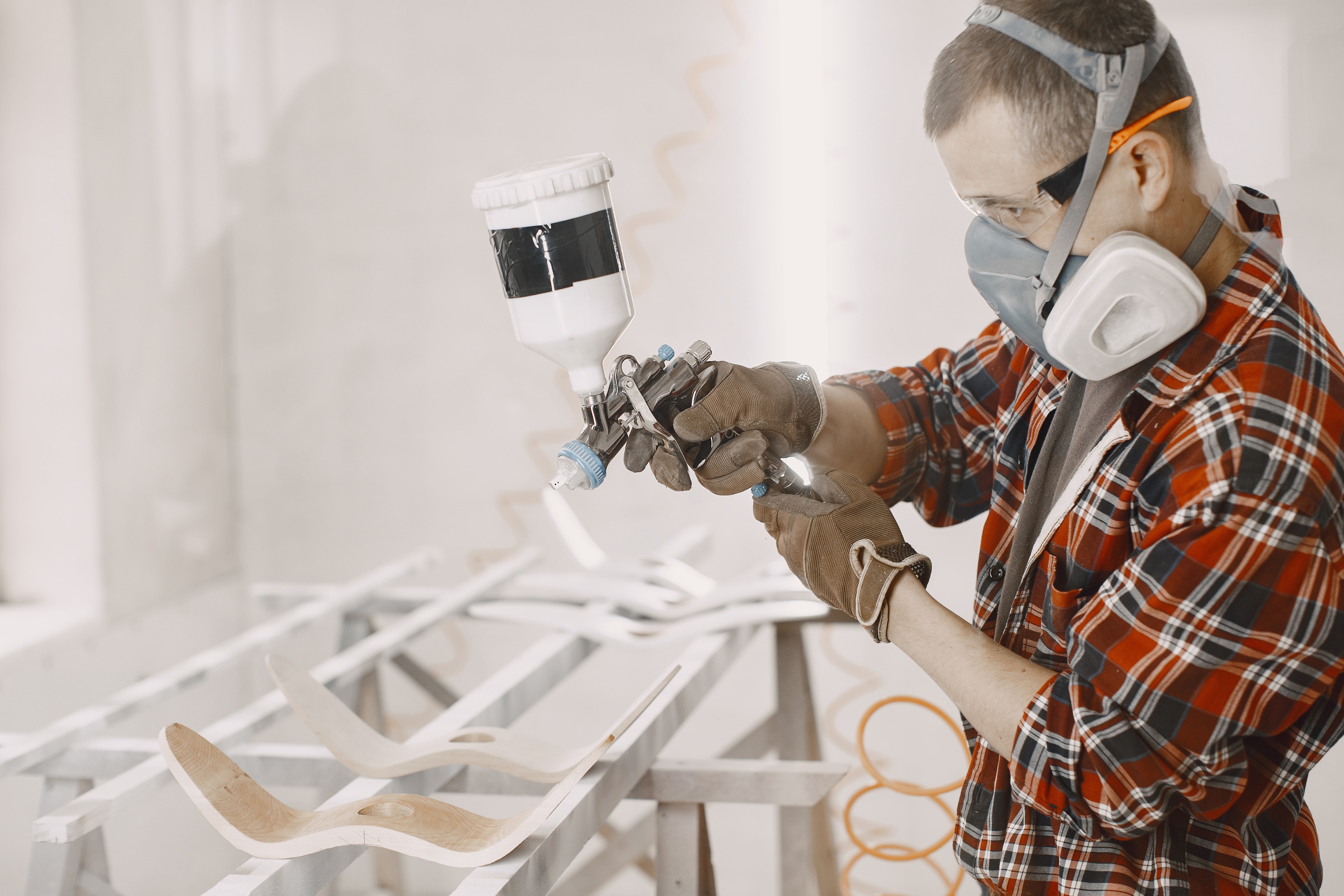
High-quality wood finishing depends on more than skilled craftsmanship—it requires the right finishing environments at every stage of production. From surface preparation to coating application and curing, controlled environments reduce contamination, improve consistency, and dramatically increase throughput.
By investing in purpose-built prep, paint, and curing equipment—and arranging them strategically—woodworking operations can minimize rework, streamline scheduling, and maximize efficiency. The right finishing setup allows woodworkers to focus on quality while keeping production moving smoothly.
Key Stages of an Efficient Wood Finishing Operation
A well-designed finishing workflow separates preparation, painting, and curing into dedicated environments. This approach reduces bottlenecks, allows parallel processes, and delivers cleaner, more consistent results.
1. Prep Environments
Surface preparation is the foundation of finish quality. Controlling sanding dust is critical to preventing contamination later in the process.
Common Prep Methods:
Hand Sanders - Small shops often rely on sanders with bags or vacuums. While affordable, these systems capture only a portion of the dust, leaving fine particles airborne—especially during hand sanding of edges and corners.
Downdraft Tables - Downdraft tables pull dust downward through filters beneath the work surface. Effectiveness depends heavily on consistent filter maintenance. Blowing parts off with compressed air can reintroduce dust into the shop.
Curtained-Off Areas - Plastic curtains and wall-mounted fans provide some containment but still allow dust to escape, eventually settling into fresh paint.
Dust Collection (Sanding) Booths - The most effective solution is a dedicated sanding booth. Enclosed construction, strong filtration, and improved lighting keep dust contained and off painted surfaces. Filtered air can be returned to the shop, reducing energy costs and eliminating the need for a full air make-up unit.
Best Practice - Without proper dust containment, woodworkers often sand defects out of finished coats and reapply—wasting time, labor, and materials. A sanding booth significantly reduces rework and boosts production.
2. Painting Environments
A dedicated paint environment is essential for consistent finish quality, worker safety, and code compliance.
Common Painting Setups:
Curtained-Off Areas or Spray Rooms - While inexpensive, these setups offer poor lighting, inconsistent airflow, and limited overspray control. They are typically not code-compliant and can result in fines that far exceed the cost of a proper paint booth.
Open Face Paint Booths - Open face booths provide a code-compliant and space-efficient solution. Their flexibility makes them ideal for cabinets and furniture. However, dust infiltration, humidity fluctuations, and unbalanced airflow can limit finish consistency without advanced controls.
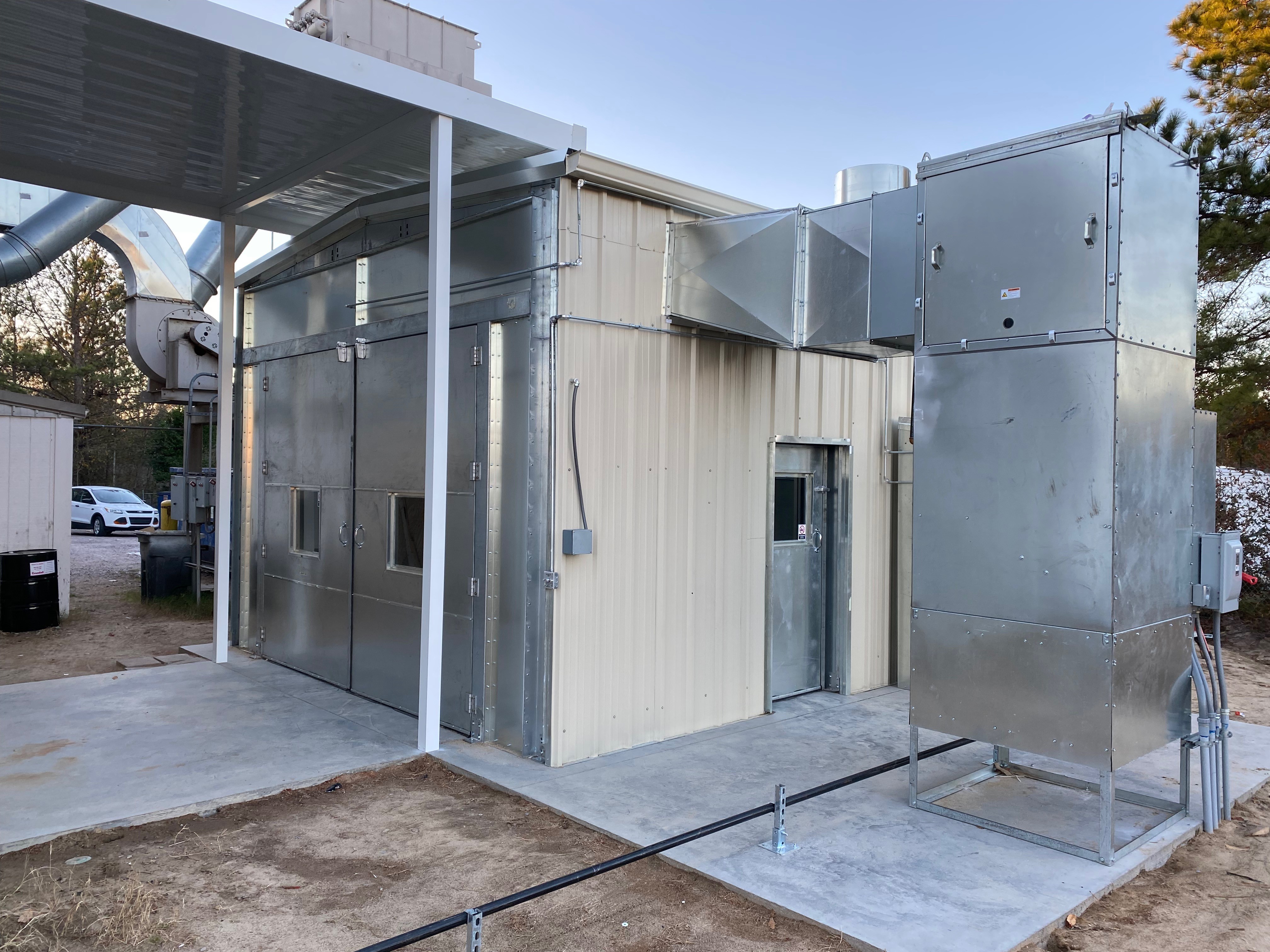
Enclosed Paint Booths - Enclosed booths deliver the most stable painting environment. Filtered doors keep contaminants out, while balanced airflow makes it easier to spray multiple colors in one cycle. Pressurized designs support higher-quality finishes with less rework.
3. Temperature Control During Painting
Temperature plays a critical role in coating performance.
What to Consider
- Coating manufacturer temperature recommendations
- Part size and material
- Ambient humidity and daily temperature swings
Uncontrolled temperature fluctuations can cause viscosity changes, solvent popping, color variation, and uneven film build.
Typical Range - Most woodworking coatings perform best between the high 60s and low 70s°F, but always follow coating-specific guidelines.
4. Curing Environments
Curing is often the biggest production bottleneck. Dedicated drying solutions allow paint booths to stay productive.
Common Curing Options:
Drying in the Paint Booth - Using ambient air is slow and exposes wet coatings to shop dust, increasing defects.
Heated Paint Booths - Running a cure cycle improves finish quality but ties up the booth, reducing overall throughput.
Low-Temperature Ovens (Drying Enclosures) - Low-temperature ovens recirculate heated air for fast, controlled drying. When paired with an enclosed paint booth, products can be moved directly into the oven—freeing the booth for the next paint cycle.
Best Configuration - A pressurized enclosed paint booth paired with a low-temperature oven delivers the highest efficiency, best finish quality, and maximum throughput.
Why Dedicated Finishing Environments Matter
Separating prep, paint, and curing operations allows woodworkers to:
- Reduce contamination and rework
- Improve finish consistency
- Increase daily production capacity
- Paint, sand, and cure simultaneously
- Optimize labor with dedicated roles
Small workflow improvements can produce major gains in efficiency and profitability.
Building Flexibility Into Your Wood Finishing Operation
With the right finishing equipment in place, woodworkers gain control over their schedule instead of reacting to production constraints. Dedicated spaces allow sanding, painting, and curing to happen independently—creating steady, predictable output.
A well-designed finishing layout supports long-term growth by improving quality, reducing downtime, and enabling specialization across the shop.
Upgrade Your Wood Finishing Process
Investing in purpose-built prep, paint, and curing environments is one of the most effective ways to elevate finish quality and increase throughput. Whether you’re improving an existing operation or planning for growth, the right finishing equipment delivers measurable returns.