Utility Requirements for Spray Booths and Ovens
April 16, 2026
When planning a new spray booth or curing oven, most attention is placed on equipment size, airflow, and production capacity. However, one of the most common causes of project delays, budget overruns, and performance issues is inadequate planning for utilities.
When planning a new spray booth or curing oven, most attention is placed on equipment size, airflow, and production capacity. However, one of the most common causes of project delays, budget overruns, and performance issues is inadequate planning for utilities.
Spray booths and ovens rely on a combination of electrical power, gas supply, airflow systems, and facility infrastructure to operate effectively. If these requirements are not clearly defined early in the project, facilities may encounter unexpected upgrades, installation challenges, or operational limitations.
Understanding utility requirements upfront helps ensure a smoother installation process and reliable long-term performance.
Electrical Requirements
Typical Electrical Loads Include:
- Supply and exhaust fans
- Make-up air unit (if applicable)
- Control panels and automation systems
- Lighting systems
- Conveyor drives (for automated systems)
The total electrical load depends on system size, airflow requirements, and level of automation.
Key Considerations:
- Available facility voltage and phase (e.g., 208V, 230V, 480V)
- Panel capacity and available breaker space
- Motor sizes and starting loads
- Control system requirements
If existing electrical infrastructure cannot support the new system, upgrades may be required—impacting both cost and installation timeline.
Gas Supply Requirements
For systems that use gas-fired heating, such as cure ovens or heated make-up air units, natural gas or propane supply must be evaluated.
Important Factors:
- Required BTU/hr input for burners
- Available gas pressure at the facility
- Pipe sizing and routing distance
- Regulator requirements
Insufficient gas supply can lead to:
- Reduced heating performance
- Longer cure times
- Inconsistent temperature control
Verifying gas capacity early helps prevent performance issues after installation.
Compressed Air
Compressed air is often required for various system components.
Common Uses:
- Pneumatic controls and dampers
- Spray equipment (if integrated into system design)
- Automated systems and actuators
Considerations:
- Available pressure (PSI)
- Air quality (dry, filtered air)
- Capacity during peak usage
Inadequate compressed air can affect system responsiveness and reliability.
Make-Up Air and Building Air Balance
Spray booths exhaust large volumes of air, which must be replaced to maintain proper building pressure and airflow balance.
Without Adequate Make-Up Air:
- Negative pressure develops in the facility
- Doors become difficult to open
- Dust and contaminants may be drawn into the booth
- Heating and cooling systems are affected
Make-up air systems (AMUs) are often required to:
- Replace exhausted air
- Maintain temperature control
- Improve overall booth performance
Proper coordination between exhaust airflow and make-up air supply is critical.
Exhaust and Ducting Requirements
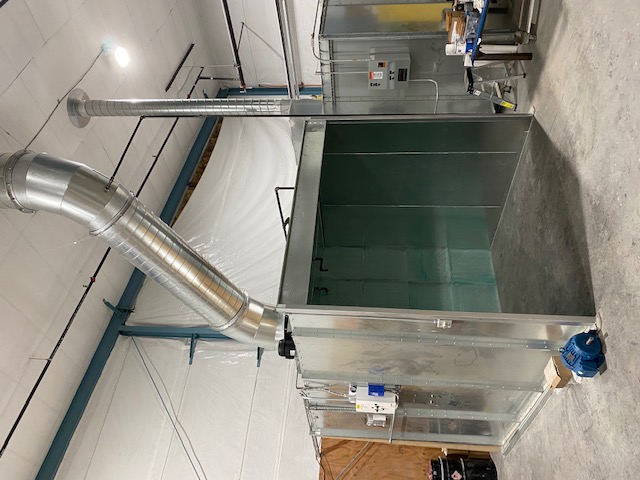
Both spray booths and ovens require properly designed exhaust systems.
Key Factors:
- Duct sizing and routing
- Fan placement and capacity
- Static pressure considerations
- Discharge location (roof or wall)
Improper duct design can lead to:
- Reduced airflow
- Increased energy consumption
- Poor system performance
Facilities must also consider structural requirements for supporting ductwork and roof penetrations.
Structural and Space Considerations
Utility planning extends beyond mechanical systems to include building infrastructure.
Important Elements:
- Floor load capacity
- Equipment anchoring requirements
- Clearance for ductwork and fans
- Access for maintenance and service
For rooftop equipment or exhaust systems, structural reinforcement may be necessary.
Ventilation and Environmental Controls
In addition to process airflow, facilities must consider how finishing systems interact with overall building ventilation.
Considerations Include:
- Heat generated by ovens
- Air exchange rates
- Integration with existing HVAC systems
- Worker comfort and safety
Improper coordination can lead to uncomfortable working conditions and reduced efficiency.
Fire Protection and Safety Systems
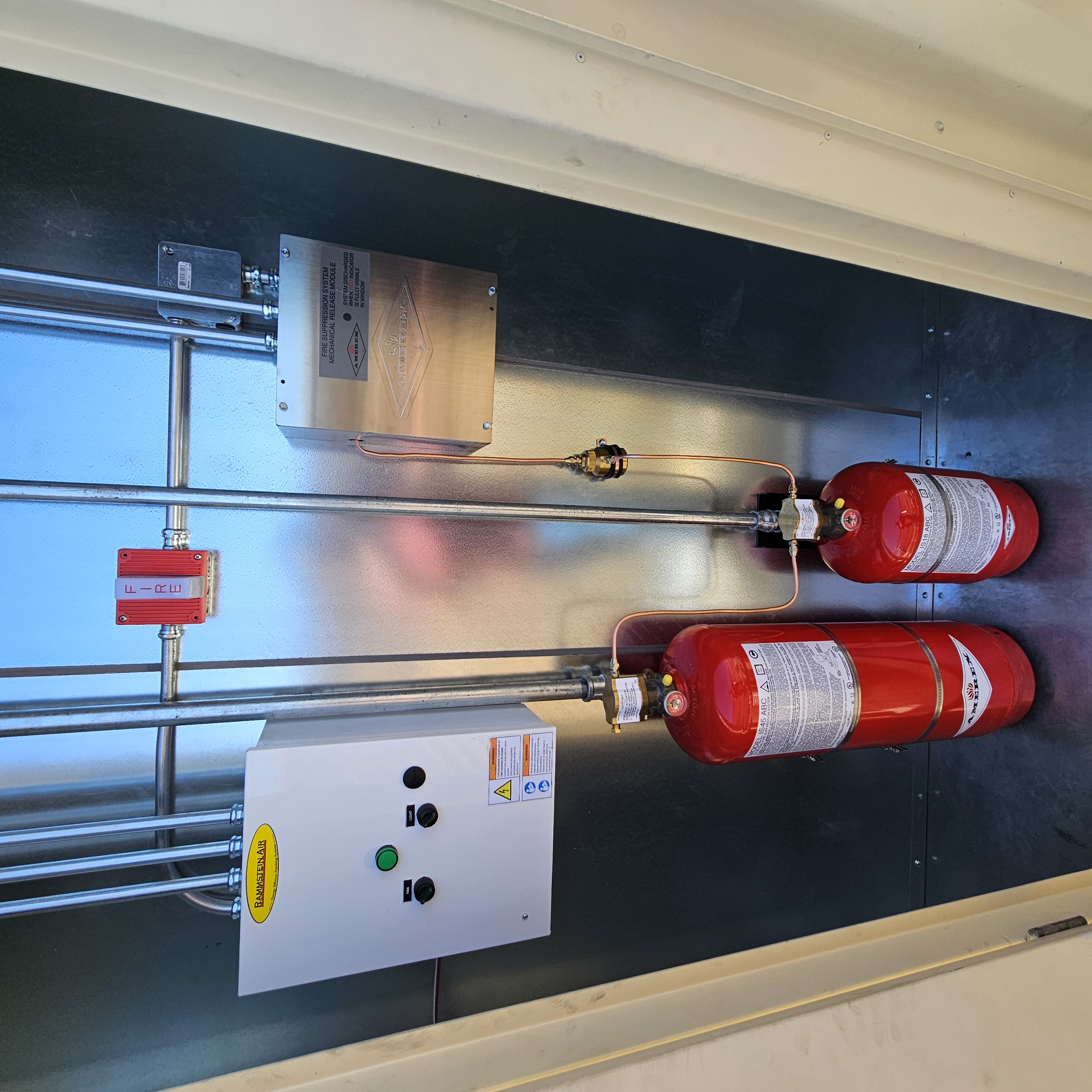
Utility planning must also account for safety systems.
Typical Requirements:
- Fire suppression system integration
- Emergency shutoffs
- Interlocks between airflow and heating systems
These systems may require additional electrical and mechanical connections, as well as coordination with local fire codes.
Planning for Installation Success
Utility requirements are often interconnected. Electrical, gas, airflow, and structural systems must all work together to support finishing equipment.
Facilities that plan utilities early in the project benefit from:
- More accurate project budgeting
- Fewer installation delays
- Improved system performance
- Reduced need for last-minute modifications
Engineering Matters
Spray booths and ovens are not standalone systems—they are integrated into the facility’s infrastructure. Proper utility planning ensures that these systems operate efficiently, safely, and reliably from day one.
Contact Calfornia Pulse for a free quote today!