How to Maximize Energy Efficiency in Your Spray System
October 15, 2025
Energy efficiency plays a crucial role in the overall performance and long-term cost of spray booth operations. As energy prices continue to rise, optimizing your spray system’s airflow, heating, and control design can lead to significant savings without sacrificing finish qualit

Quick Answer
Spray booth energy use is reduced through six measures: variable airflow control that drops below full volume when full capacity is not required, direct-fired heating which uses up to 20 percent less fuel than indirect-fired alternatives, recirculation during bake where up to 99.9 percent of booth air can be reused, modulating combustion blowers that match burner airflow to demand, prep and idle modes that run fans and heaters at minimal power between sprays, and digital controls that hold setpoints without overshoot.
Energy efficiency plays a crucial role in the overall performance and long-term cost of spray booth operations. As energy prices continue to rise, optimizing your spray system’s airflow, heating, and control design can lead to significant savings without sacrificing finish quality or compliance.
California Pulse designs spray systems with intelligent energy management features that minimize fuel and electricity usage, reduce waste, and improve booth performance. Our approach integrates airflow control, heat recovery, and automation strategies to deliver sustainable efficiency across all operational modes—from prep to bake.
Key energy-efficient design features include:
- Variable Airflow Control: Adjusts airflow based on booth activity, reducing energy draw when full capacity isn’t required.
- High-Efficiency Heaters: Direct-fired systems use up to 20% less fuel than indirect-fired alternatives.
- Recirculating Air Systems: During bake cycles, up to 99.9% of air can be recirculated to conserve heat energy.
- Combustion Blower Modulation: Optimizes burner airflow for maximum fuel efficiency and stable temperature control.
- Prep & Idle Modes: Allows heaters and fans to run at minimal power during non-spray operations.
- Digital Controls & Automation: Smart systems monitor and adjust performance for consistent output with lower energy consumption.
By designing around these principles, California Pulse booths provide consistent finishes while dramatically lowering operating costs over the lifetime of the system.
Why Energy Efficiency Matters in Spray Booths
A spray booth’s energy demand can account for a large portion of a facility’s total operating cost. Heating, ventilation, and exhaust systems run continuously during production, often consuming unnecessary energy if not properly managed. Implementing energy-efficient technology provides several key benefits:
- Reduced Operating Costs: Lower fuel and electricity usage directly translates to long-term savings.
- Improved Environmental Performance: Reduced emissions and resource consumption support sustainability goals.
- Stable Finishing Conditions: Efficient systems maintain temperature and airflow consistency for better finish quality.
- Lower Maintenance Requirements: Advanced control systems reduce wear on fans, burners, and filters by preventing overuse.
- Faster Return on Investment: Energy savings compound over time, offsetting the initial system investment.
Energy-efficient systems don’t just save money—they create a more sustainable, reliable, and productive finishing environment.
Optimizing energy performance begins with thoughtful design and smart operational practices. California Pulse recommends the following strategies for achieving the best results:
- Select the Right Airflow Strategy: Full airflow should only be used during active spraying. During prep or flash-off, airflow can safely be reduced to conserve energy.
- Utilize Recirculation in Bake Mode: Advanced systems can recirculate nearly all booth air during curing, dramatically reducing heat loss.
- Incorporate Modulating Combustion Blowers: Automatically adjusts burner output for efficient fuel usage based on booth demand.
- Choose Direct-Fired Heating: These systems are typically 20% more efficient than indirect-fired alternatives.
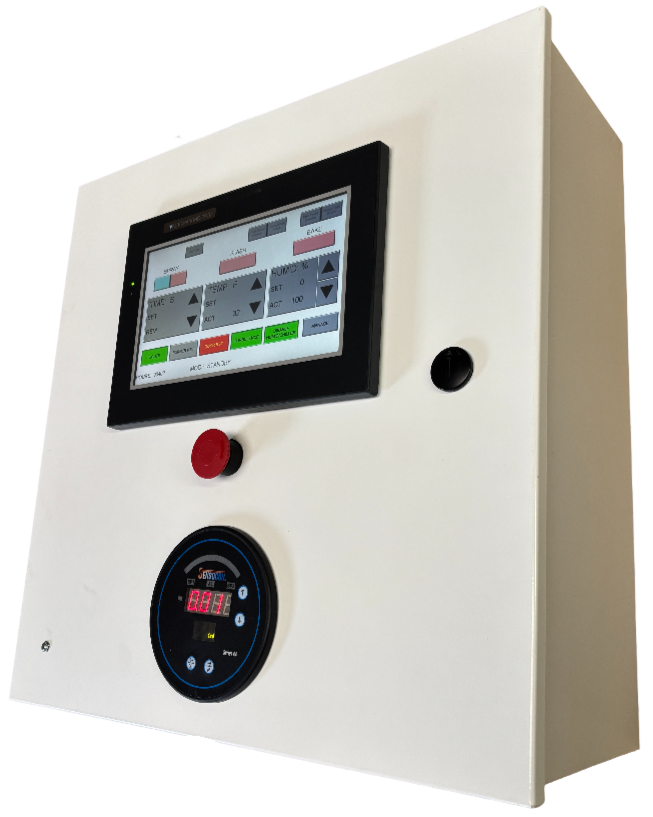
- Integrate Smart Controls: Digital control panels track temperature, airflow, and pressure in real time for maximum precision and minimal waste.
- Schedule Preventive Maintenance: Clean filters and properly calibrated sensors help maintain system efficiency.
California Pulse integrates these options into every booth design, ensuring optimal performance and lower long-term costs.
Why Choose California Pulse for Energy-Efficient Spray Systems
- Custom Engineered: Each booth is designed to balance airflow, heat recovery, and efficiency based on your specific process.
- Advanced Technology: Variable frequency drives, digital control panels, and modulating gas systems come standard.
- Sustainable Design: Reduced energy use without compromising finish quality or compliance.
- Proven Results: Significant reductions in energy consumption for automotive, industrial, and aerospace applications.
- Ongoing Support: Our team provides training and maintenance guidance to help you sustain peak efficiency year-round.
Reduce operating costs and improve performance with an energy-efficient spray system from California Pulse. Our expert engineers can help you design, upgrade, or retrofit your booth for maximum energy savings and consistent results. GET A FREE QUOTE
Answers